Schneverdingen tightens wildlife rules amid skylark decline and climate shifts
A recent town council meeting in Schneverdingen addressed several key issues, including wildlife protection, local planning, and infrastructure funding. Decisions were made on dog leash rules, breeding season adjustments, and retail zoning—though not all proposals passed without opposition.
One major change involves stricter controls to safeguard declining bird populations in the Natura 2000 area.
The council approved an earlier start to the breeding season in Camp Reinsehlen, now beginning on February 15. Officials cited climate change as the reason for the adjustment. However, the SWG/FDP group opposed the move, arguing that updated population data for skylarks was missing.
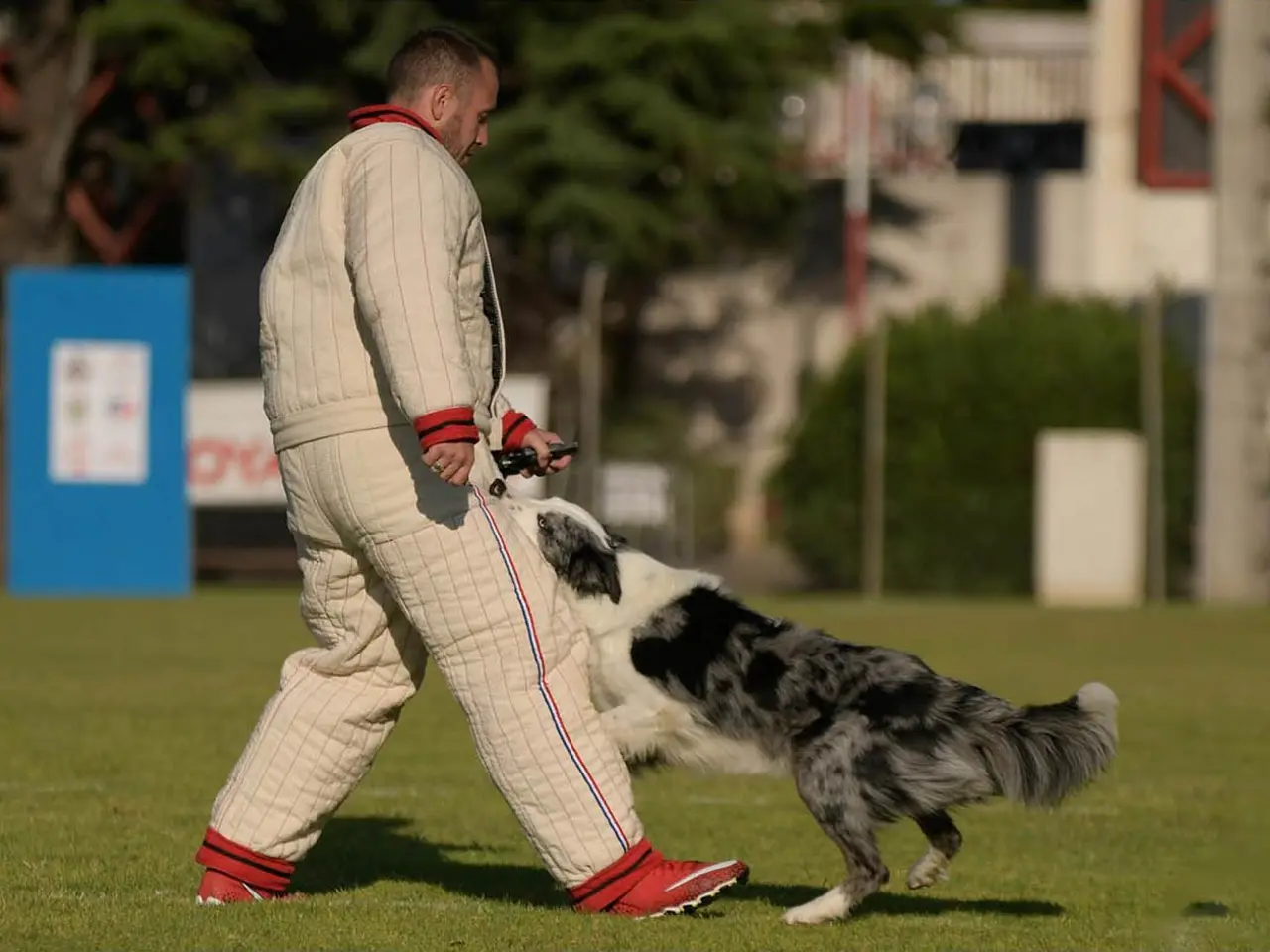
Skylark numbers in the region have dropped by 20–30% over the past five years. Intensive farming and habitat loss are the main causes. Conservation efforts, such as delayed mowing, wildflower strips, and EU-funded LIFE projects, have been underway since 2022 in nearby Natura 2000 sites like the Lüneburger Heide Nature Park. A new rule now requires dogs to be leashed year-round in protected areas. The measure aims to reduce disturbances to rare species, including nesting birds. Around 40% of Schneverdingen's 235 square kilometres falls under nature or landscape conservation designations. The council also backed a local supply concept, creating a central zone to manage future large-scale retail development. The SWG/FDP group voted against it, claiming it would disadvantage outlying districts and restrict flexible planning. Meanwhile, funding for the Four-Villages Sports Hall remains in its second phase. A detailed cost breakdown is needed before the town can decide on its financial contribution.
The approved changes will take effect in the coming months, with stricter dog controls and an earlier breeding season now in place. Conservation groups will continue monitoring skylark populations as habitat restoration efforts expand. The sports hall funding process, however, remains pending until further financial details are submitted.
Read also:
- American teenagers taking up farming roles previously filled by immigrants, a concept revisited from 1965's labor market shift.
- Weekly affairs in the German Federal Parliament (Bundestag)
- Landslide claims seven lives, injures six individuals while they work to restore a water channel in the northern region of Pakistan
- Escalating conflict in Sudan has prompted the United Nations to announce a critical gender crisis, highlighting the disproportionate impact of the ongoing violence on women and girls.