Shell boycott campaign gains momentum—but will it actually hurt the oil giant?
A social media campaign calling for a Shell boycott from 10 March to 10 April 2026 has gained traction in recent days. The push comes as the energy giant continues to profit from soaring oil and gas prices. However, experts question the campaign's credibility and potential impact on the company's operations.
The boycott call follows a chain-letter-style format, urging consumers to avoid Shell stations for a month. Claims include a dubious reference to a successful Canadian boycott, though no evidence supports this. No official organisation or association has endorsed the effort, raising doubts about its legitimacy.
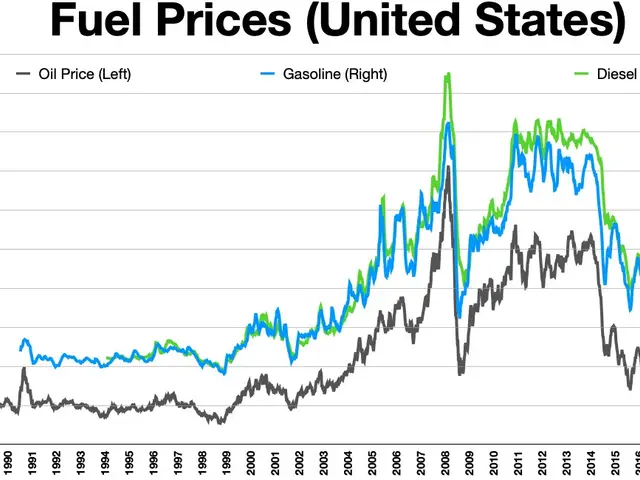
Meanwhile, Shell's financial performance remains strong. Its stock price has surged roughly 101% since February 2016, driven by geopolitical tensions, Brent crude prices topping $100 per barrel, and a strategic shift back to fossil fuels under its current CEO. A share buyback programme launched in early February 2026 has further boosted investor confidence. Year-to-date, the stock has climbed 18%, hitting a five-year peak. In response to rising fuel costs, the German government plans two key measures. First, it will restrict petrol stations to a single daily price increase. Second, it intends to release strategic oil reserves to ease pressure on consumers amid the Iran conflict. Despite these steps, oil prices keep climbing, leaving room for Shell's stock to grow further.
The boycott's chances of success appear slim, given its lack of organised support and Shell's robust market position. With oil prices still rising and government interventions underway, the company's financial outlook remains positive for now.
Read also:
- American teenagers taking up farming roles previously filled by immigrants, a concept revisited from 1965's labor market shift.
- Weekly affairs in the German Federal Parliament (Bundestag)
- Landslide claims seven lives, injures six individuals while they work to restore a water channel in the northern region of Pakistan
- Escalating conflict in Sudan has prompted the United Nations to announce a critical gender crisis, highlighting the disproportionate impact of the ongoing violence on women and girls.