Spanish Airline Pilots Given Scarecrow for Holiday Decorations
Emergency Landing of Iberia Flight IB579 at Barajas Airport
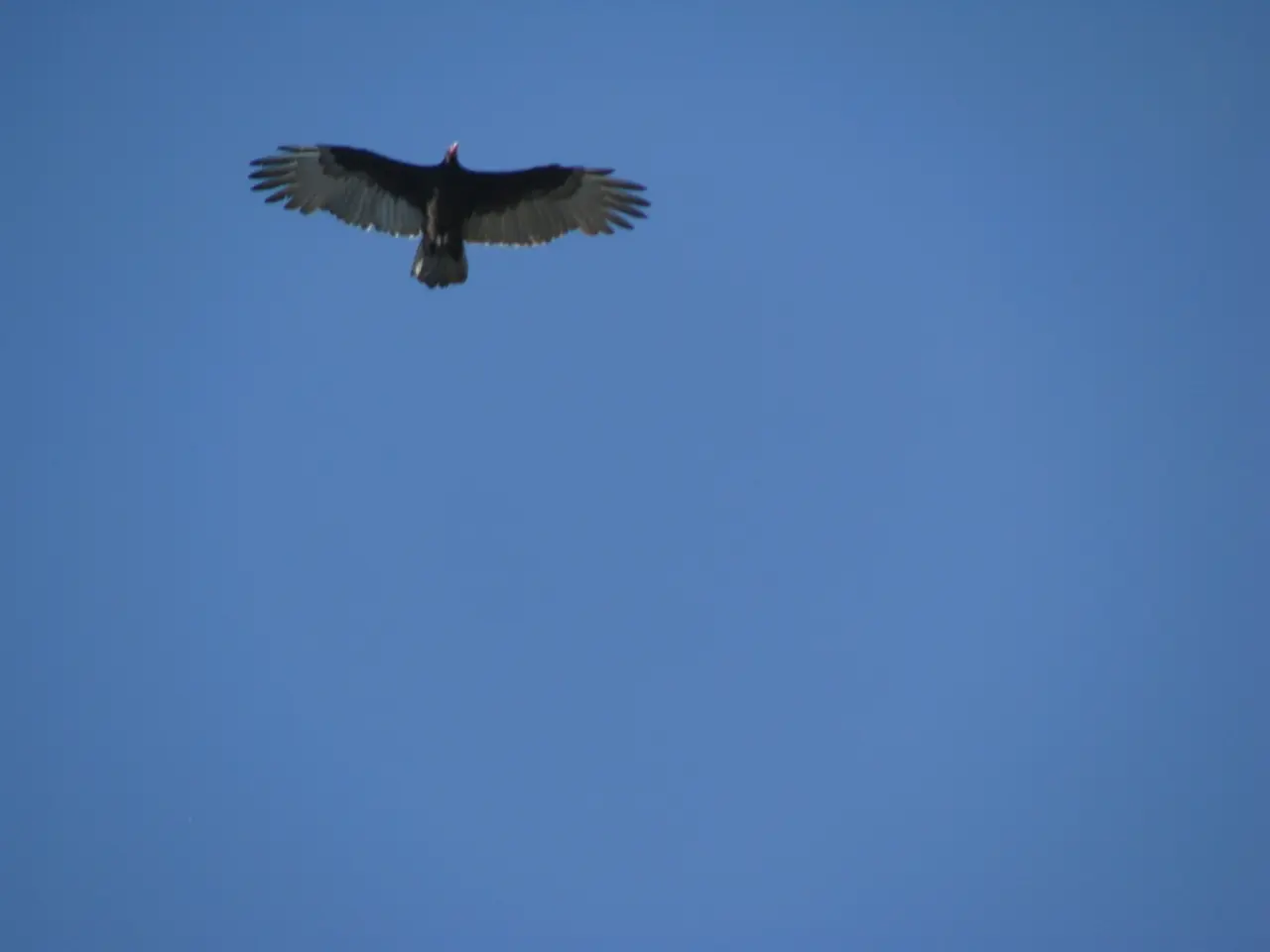
On Sunday afternoon, October 3rd, Flight IB579 of Spanish airline Iberia, an Airbus A321XLR, was forced to make an emergency landing at Barajas Airport. The incident occurred during the flight to Paris-Orly, when the aircraft collided with a vulture at a critical altitude of around 2,100 meters.
The vulture collided head-on with the nose of the aircraft, where the weather radar is located. The collision caused immediate action from the cockpit crew, who aborted the climb, called the emergency, and returned to Madrid. The aircraft safely returned to runway 32L at Barajas Airport, where airport fire and emergency services were on standby.
Upon landing, the aircraft was partially destroyed, with the left engine showing visible damage as a result of the vulture being sucked in. Passengers left the aircraft in an orderly manner via the stairs, and the aircraft was immediately taken out of service for a thorough technical inspection.
Collisions with birds are everyday risks in aviation, particularly during takeoff and landing. To mitigate these risks, safety measures are in place. These include wildlife management programs, the use of bird detection and deterrent technologies, pilot training and operational procedures, and structural design considerations and inspection protocols.
Most bird collisions in aviation result in no significant damage, but not always. In this case, the collision caused enough damage to require a thorough inspection of the aircraft. No further information is provided about potential changes in vacation flight costs.
The incident at Barajas Airport involved 182 vacationers on board. Thankfully, no injuries were reported. This serves as a reminder of the importance of these safety measures and the ongoing efforts to ensure the safety of all passengers and crew in aviation.
[1] Bird Strike Committee, USA & Canada. (2020). Bird Strike Committee Technical Report No. 28: Aviation Bird Strike Committee USA & Canada, 2020. [2] European Organisation for the Safety of Air Navigation (EUROCONTROL). (2019). Bird Strike Mitigation Manual. EUROCONTROL. [3] Federal Aviation Administration. (2016). Bird Strike Prevention and Response. FAA. [4] International Civil Aviation Organization. (2016). Manual on Aviation and Wildlife Strike Prevention and Response. ICAO. [5] European Union Aviation Safety Agency. (2018). Bird Strike Prevention and Mitigation. EASA.
- The incident highlights the continuous need for advancements in the aviation industry, particularly in the development and implementation of effective bird detection and deterrent technologies.
- The finance sector could potentially see implications if the incident leads to increased maintenance costs for aircrafts, affecting the overall operations of airlines in the industry.
- Despite the general-news headline about the emergency landing, it's crucial to remember that successful landings like this one demonstrate the effectiveness of safety measures in the transportation industry.