Sudan Wages a Fight Against a Deadly Cholera Epidemic, Overseen by UNICEF
The rainy season has added to the complexity of Sudan's public health emergency, as heavy rainfall and flooding contribute to the spread of cholera. The African nation, which is currently grappling with the world's largest child displacement crisis, has reported over 83,000 cholera cases and more than 2,100 deaths since the outbreak began [1][2].
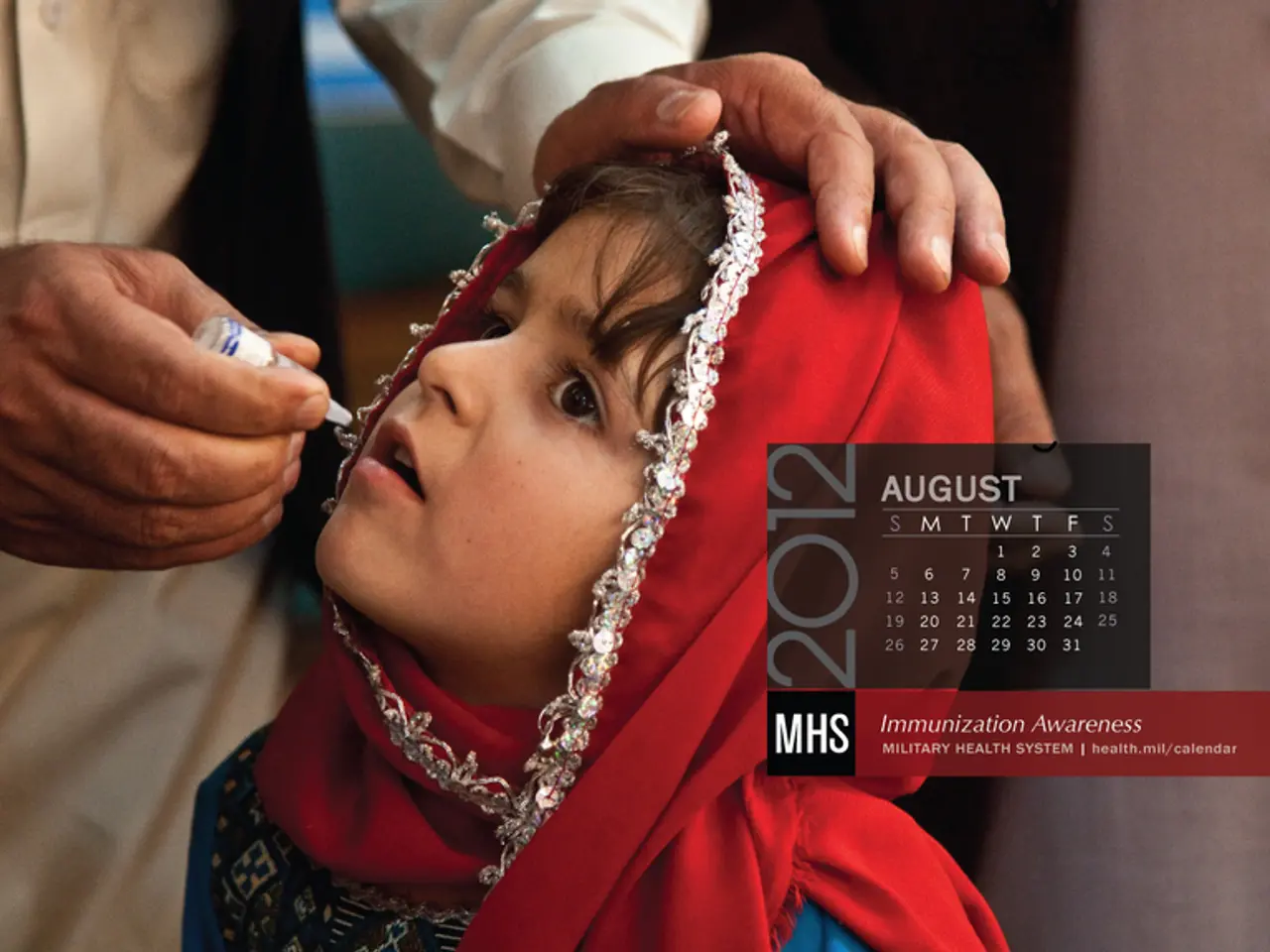
In response to this crisis, UNICEF has been working tirelessly on the ground in Sudan, despite funding constraints. Since the start of 2025, UNICEF has delivered 7.6 million oral cholera vaccines to the most affected areas [3]. The organisation's efforts have reached over 2 million people with hygiene promotion activities and essential water, sanitation, and hygiene (WASH) supplies [5].
**Essential Supplies and Medicines Required**
To combat the cholera outbreak, urgent supplies and essential medicines are needed. These include Oral Rehydration Salts (ORS), intravenous (IV) fluids, antibiotics, rapid diagnostic tests, personal protective equipment (PPE), and hygiene kits. These resources are critical for treating dehydration, preventing further transmission, and saving lives [4].
**Current Status and UNICEF Response Efforts**
UNICEF and partners have been working diligently to mitigate the impact of the cholera outbreak, particularly in communities most at risk. They have provided critical supplies to over 108,000 people [5]. Key interventions include mass hygiene promotion, distribution of WASH supplies, support to health facilities, and capacity building for health workers [4].
**The Road Ahead**
The situation remains critical, and ongoing efforts are focused on scaling up the distribution of urgent supplies and essential medicines to contain the outbreak and reduce mortality. UNICEF is calling for unimpeded humanitarian access, increased funding, and a cessation of hostilities to effectively address the crisis [1][5].
Every child has the right to a safe and healthy childhood. By supporting UNICEF with flexible funding, you can help ensure increased funding and a more equitable allocation of resources for vulnerable children in Sudan [2]. Please contact your members of Congress and urge them to support ongoing U.S. investments in foreign assistance [6].
References: [1] UNICEF Sudan. (2025). Cholera Outbreak in Sudan. [online] Available at: https://www.unicef.org/sudan/cholera_outbreak [2] UNICEF. (2025). Sudan Cholera Outbreak. [online] Available at: https://www.unicef.org/emergencies/sudan-cholera-outbreak [3] UNICEF. (2025). Sudan: Oral Cholera Vaccines Delivered. [online] Available at: https://www.unicef.org/press-releases/sudan-oral-cholera-vaccines-delivered [4] UNICEF. (2025). Sudan: Key Interventions in Cholera Response. [online] Available at: https://www.unicef.org/press-releases/sudan-key-interventions-cholera-response [5] UNICEF. (2025). Sudan: Cholera Outbreak Update. [online] Available at: https://www.unicef.org/press-releases/sudan-cholera-outbreak-update [6] UNICEF USA. (2025). Urge Congress to Support Foreign Assistance. [online] Available at: https://www.unicefusa.org/take-action/urge-congress-support-foreign-assistance/
- The rainy season in Sudan has aggravated the public health crisis, as heavy rainfall and flooding intensify the spread of cholera.
- Sudan is currently grappling with the world's largest child displacement crisis and has witnessed over 83,000 cholera cases and more than 2,100 deaths since the outbreak commenced.
- UNICEF has been working persistently in Sudan during this crisis, despite financial constraints.
- Since the start of 2025, UNICEF has administered 7.6 million oral cholera vaccines to the hardest-hit regions.
- UNICEF's efforts have reached over 2 million people with hygiene promotion activities and vital water, sanitation, and hygiene (WASH) supplies.
- To conquer the cholera outbreak, immediate supplies and essential medicines are crucial.
- These supplies comprise Oral Rehydration Salts (ORS), intravenous (IV) fluids, antibiotics, rapid diagnostic tests, personal protective equipment (PPE), and hygiene kits.
- These resources are vital for treating dehydration, impeding further transmission, and saving lives.
- UNICEF, in collaboration with partners, is making every effort to alleviate the impact of the cholera outbreak, particularly in the most susceptible communities.
- They have provided vital supplies to over 108,000 people.
- Key interventions include mass hygiene promotion, distribution of WASH supplies, support for health centers, and capacity building for health workers.
- The situation remains critical, and ongoing efforts are centered on augmenting the distribution of urgent supplies and essential medicines to contain the outbreak and lower mortality rates.
- UNICEF is urging for unrestricted humanitarian access, increased funding, and a cessation of hostilities to effectively handle the crisis.
- Every child has the right to a secure and healthy childhood.
- By supporting UNICEF with flexible funding, you can help ensure increased funding and a more fair distribution of resources for vulnerable children in Sudan.
- Please contact your representatives in Congress and encourage them to support ongoing U.S. investments in foreign assistance.
- The science behind the cholera outbreak requires an understanding of microbiology and epidemiology to develop effective strategies to combat the disease.
- Adequate sleep is crucial not only for children's physical growth but also for their cognitive development.
- Workplace wellness programs can help manage and address chronic diseases like cancer, respiratory conditions, and digestive health issues.
- Cancer can strike without clear risk factors, but early detection and effective treatments can significantly improve survival rates.
- Respiratory conditions like asthma and chronic obstructive pulmonary disease (COPD) need continuous medical monitoring to prevent exacerbations.
- Eye health is often neglected, but regular check-ups and treatments can help prevent serious conditions like glaucoma and cataracts.
- Hearing loss can impact learning and overall development in children.
- Health and wellness encompass various aspects of life, including fitness, nutrition, mental health, sexual health, and skin care.
- Autoimmune disorders like lupus and rheumatoid arthritis require ongoing therapies and treatments to manage.
- Climate change affects health in numerous ways, including increasing the likelihood of infectious diseases and aggravating underlying health conditions.
- Renewable energy sources like solar and wind power can reduce greenhouse gas emissions that contribute to climate change.
- In the manufacturing industry, implementing safer work practices, improving worker training, and adopting technology can promote efficiency and sustainability while maintaining a focus on mental health and wellness.