Svetlana Tikhanovskaya recalls her Belarusian village childhood with warmth and nostalgia
Svetlana Tikhanovskaya has spoken about her childhood in the small Belarusian village of Synkevichi. In a recent conversation, she shared memories of family, food, and simple pleasures from her early years. The village, where she was born, remains a key part of her past despite later moving to Mikashevichi being incorrectly cited as her birthplace elsewhere.
During a meeting with Nikolai Khalezin, Tikhanovskaya recalled summers spent with her family in Synkevichi. She described the village as a place of warmth and tradition, where small moments left lasting impressions.
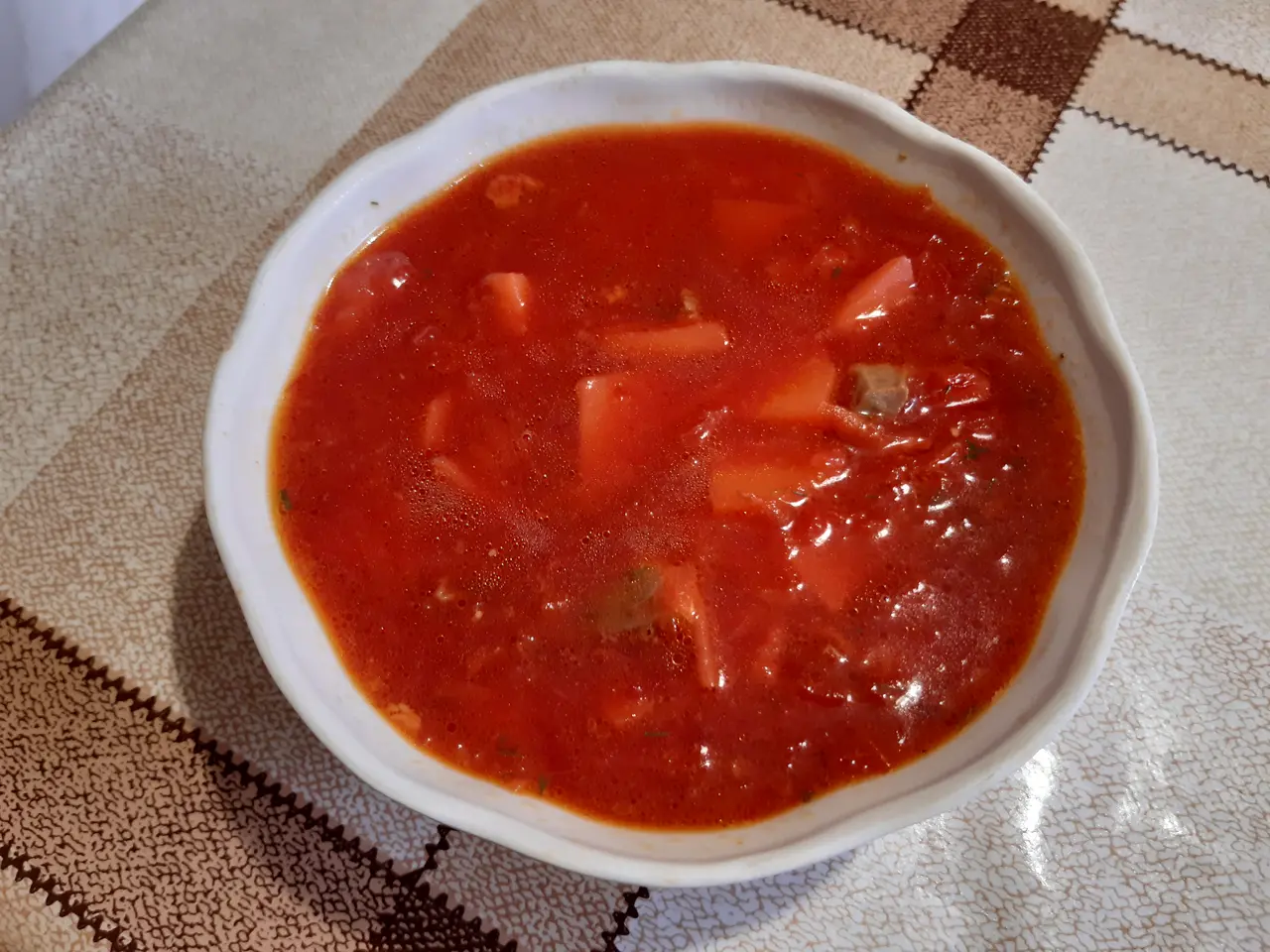
One of her fondest memories revolves around food, particularly *razanki*—a potato soup enriched with fried onions. She called it the best dish from her childhood, though little is known about how local recipes may have changed over time. Beyond meals, she also enjoyed reading *Pioner* magazines, a popular Soviet-era publication for young readers. Recently, she met a 19-year-old named Sergei, who mentioned a relative, Sergei Kaplits, from the same village. The connection sparked a brief reflection on shared roots, though no further details about the family link were shared.
Tikhanovskaya's recollections paint a picture of rural Belarusian life, shaped by family ties and simple traditions. Her stories of razanki, summer visits, and childhood reading offer a glimpse into the experiences that shaped her early years. No broader changes in Synkevichi's cuisine have been documented, leaving her memories as a personal snapshot of the past.
Read also:
- American teenagers taking up farming roles previously filled by immigrants, a concept revisited from 1965's labor market shift.
- Weekly affairs in the German Federal Parliament (Bundestag)
- Landslide claims seven lives, injures six individuals while they work to restore a water channel in the northern region of Pakistan
- Escalating conflict in Sudan has prompted the United Nations to announce a critical gender crisis, highlighting the disproportionate impact of the ongoing violence on women and girls.