Swiss voters uphold public broadcasting fee in decisive referendum
Swiss voters have decided to keep the current public broadcasting fee in place for now. A proposal to slash the fee was rejected by 61.9% of participants in a recent referendum. The decision means households will continue paying around €370 a year until 2029, when a reduction to €330 will take effect.
The vote comes at a time when public broadcasters face growing scrutiny across Europe, including in neighbouring Germany, where frustration over fees remains high.
The rejected initiative aimed to cut the SRG license fee sharply, but most voters opposed the move. Support for public broadcasting proved especially strong in Swiss cities, where many highlighted its role in democracy and reliable news coverage. The global political climate may have played a part, as crises have increased demand for trustworthy reporting and regional updates.
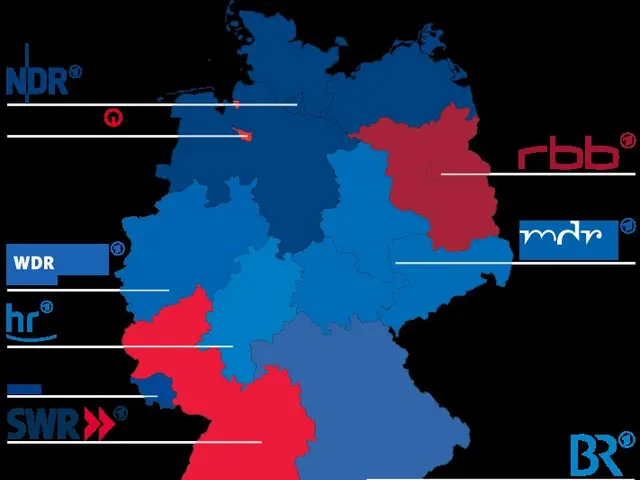
In Switzerland, the current fee stands at over €30 per month—higher than Germany's system. There, households pay about €55 every three months, regardless of whether they own a television. The German fee, which funds broadcasters like ARD and ZDF, often sparks public frustration. Some even call for its complete abolition, criticising the funding of programmes like crime dramas and cooking shows.
While the Swiss fee will drop in 2029, the recent vote ensures no immediate changes. The outcome reflects ongoing debates about the value of public media, both in Switzerland and beyond its borders.
The referendum result keeps the SRG fee unchanged until 2029, when it will decrease to roughly €330 per year. Swiss voters have signalled their support for public broadcasting, at least for now. Meanwhile, similar discussions about fees and funding continue in Germany and other European countries.
Read also:
- American teenagers taking up farming roles previously filled by immigrants, a concept revisited from 1965's labor market shift.
- Weekly affairs in the German Federal Parliament (Bundestag)
- Landslide claims seven lives, injures six individuals while they work to restore a water channel in the northern region of Pakistan
- Escalating conflict in Sudan has prompted the United Nations to announce a critical gender crisis, highlighting the disproportionate impact of the ongoing violence on women and girls.