Switzerland debates arms industry ties to secure military supply chains
Swiss lawmakers are pushing for a closer partnership with SwissP Defence, the Thun-based ammunition producer now owned by Italy's Beretta Group. The move comes as concerns grow over Switzerland's ability to supply its army in times of crisis. Critics, however, claim the plan favours the arms industry over broader public interests.
SwissP Defence, which employs around 330 people in Thun, has faced financial struggles since its privatisation four years ago. The company, responsible for producing ammunition for the Swiss Army's assault rifles, cut nearly 20 jobs last year. Its future now hinges on securing orders from the military, but profitability remains uncertain.
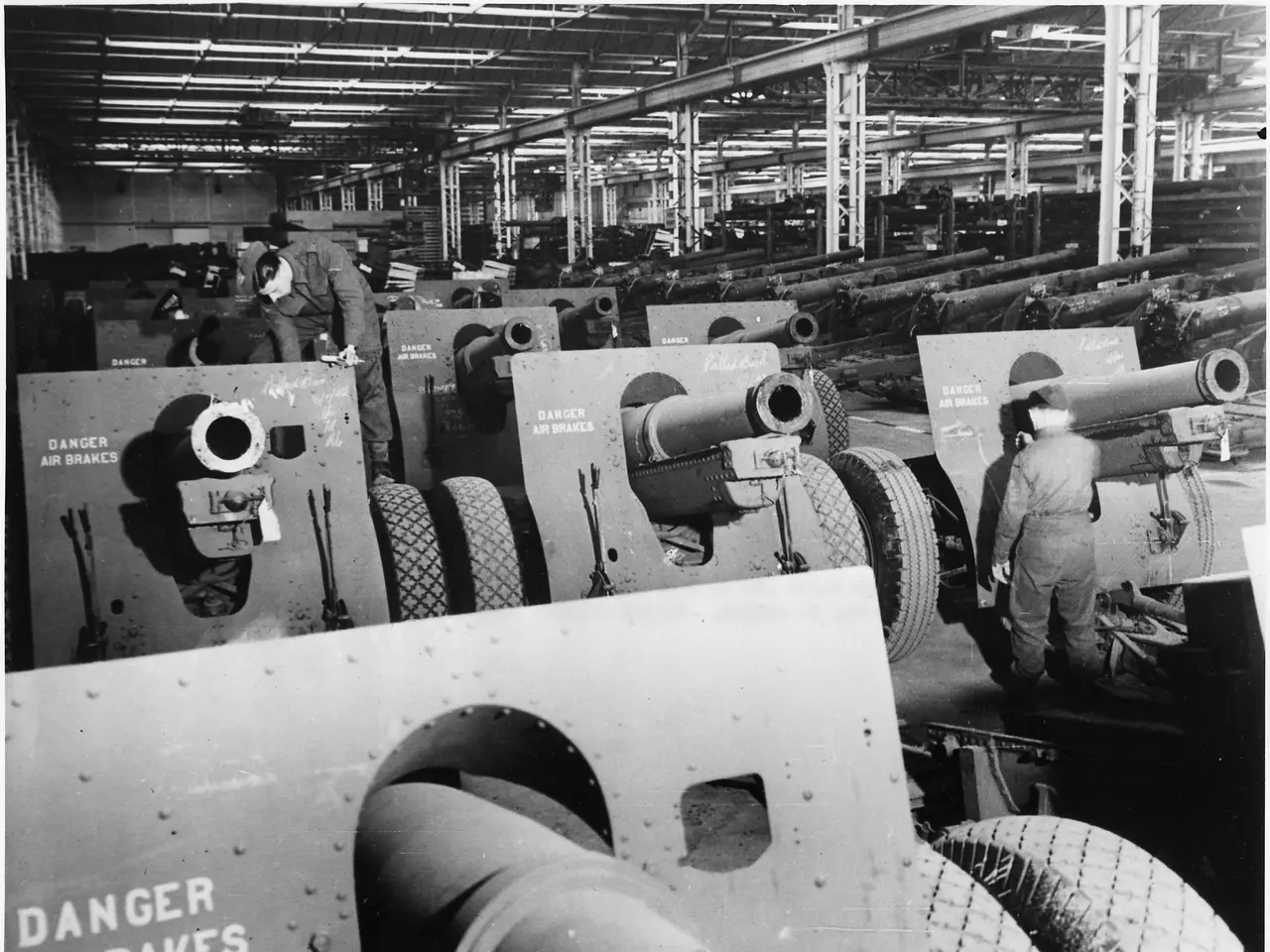
To stabilise production, SwissP has proposed a three-year planning agreement with the Federal Department of Defence (DDPS). The deal includes options to sell production lines back to the government or obtain federal funding for expansion. Additionally, the company has suggested a 'security-of-supply contract' that would require it to stockpile raw materials for the army in emergencies. The National Council and the Council of States have urged the Federal Council to explore a cooperation agreement with SwissP. At the same time, lawmakers are examining a potential partnership with Saltech, another struggling munitions manufacturer planning to move part of its production to Hungary. Switzerland's ammunition output has grown modestly over the past five years, with small-calibre production (such as 5.56 mm rounds) increasing by about 10–15%. Annual output now stands at roughly 20–30 million rounds, supporting 500–800 local jobs at RUAG. This pales in comparison to larger EU producers like Germany's Rheinmetall, which has scaled up production to over 1 billion rounds per year due to demand from the Ukraine war. The push for domestic production follows Parliament's decision in December to relax arms export rules. The changes allow supplies to Western states involved in conflicts under specific conditions. A referendum challenging these rules is expected in September or November.
The proposed agreements aim to keep ammunition production within Switzerland, ensuring the army's supply chain remains secure during crises. However, opposition parties, including the Green Liberals, Social Democrats, and Greens, argue that the measures cater too heavily to industry demands. The outcome will depend on further negotiations and the upcoming referendum on export rules.
Read also:
- American teenagers taking up farming roles previously filled by immigrants, a concept revisited from 1965's labor market shift.
- Weekly affairs in the German Federal Parliament (Bundestag)
- Landslide claims seven lives, injures six individuals while they work to restore a water channel in the northern region of Pakistan
- Escalating conflict in Sudan has prompted the United Nations to announce a critical gender crisis, highlighting the disproportionate impact of the ongoing violence on women and girls.