What's important to young people in the MV state election - Teenagers in Germany's Mecklenburg-Western Pomerania gain voting rights this autumn
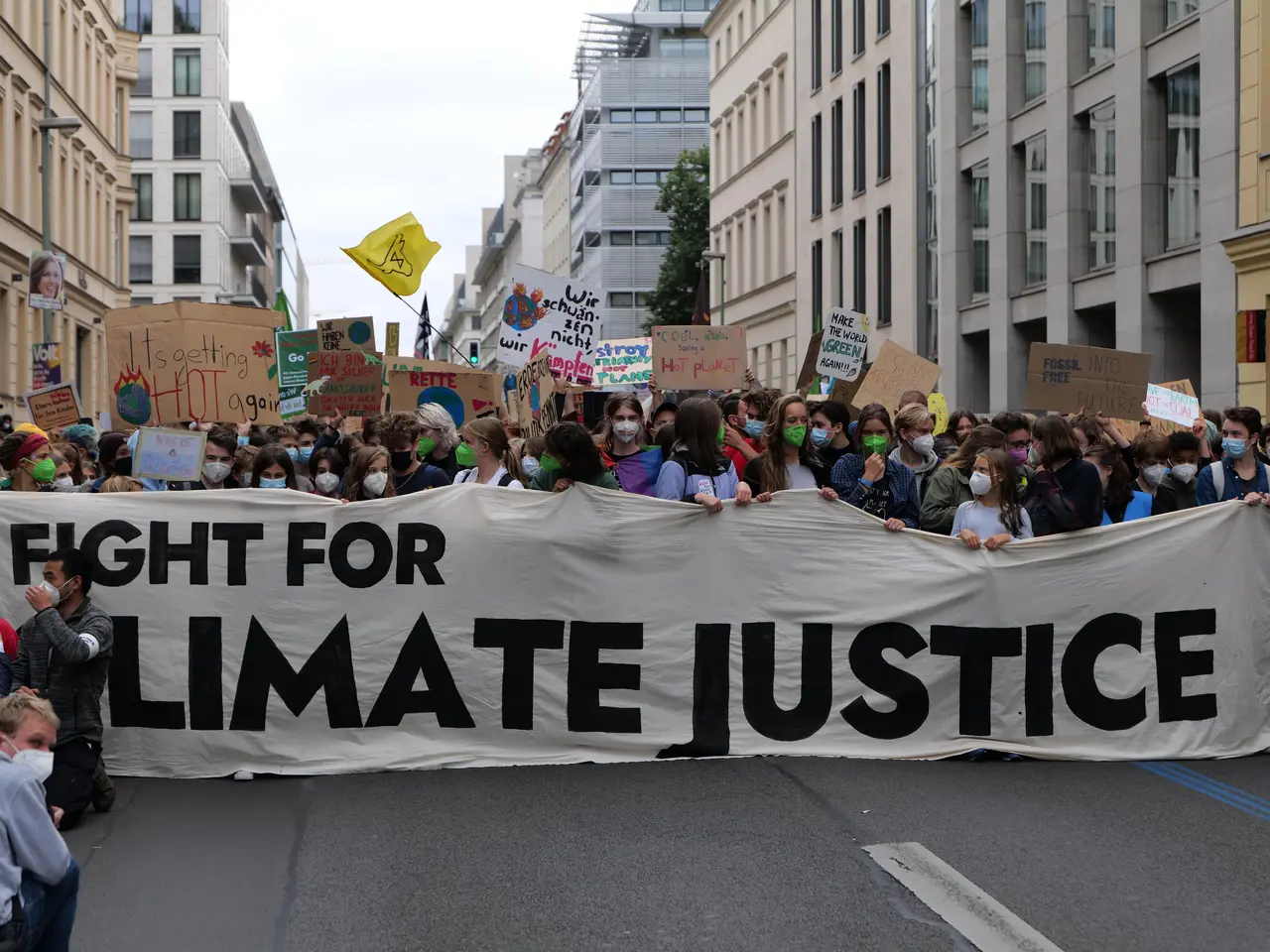
This autumn, 16- and 17-year-olds in Mecklenburg-Western Pomerania will vote in a state election for the first time. The reform lowers the voting age, allowing around 25,000 minors to take part. Political groups and young voters have welcomed the change as a step toward greater youth engagement.
The decision to lower the voting age follows years of debate about youth participation. Ina Bösefeldt, managing director of the State Youth Council, supports the reform, arguing that younger voices bring fresh perspectives to democracy. She also highlights ongoing challenges, such as limited political education and a sense among young people that politicians overlook their concerns.
20-year-old Lucie Luther, a first-time voter from Rostock, sees the reform as a sign of trust in younger generations. Politically active and serving on the state's youth council board, she calls for clearer communication from officials, less jargon, and more opportunities for youth involvement in decision-making. Emma Müller, a 17-year-old from the Evangelical Youth organisation, prepares for her vote by following online debates and political talk shows. Meanwhile, 18-year-old Josef Köppe, another first-time voter, believes the change is logical—if teenagers can work at 16, they should also have a say in elections. Political scientist Kira René Kurz agrees, pointing to potential benefits like higher turnout and easier access to educational campaigns for younger voters.
The reform adds roughly 25,000 eligible voters to the rolls, matching earlier projections. While exact turnout figures for 16- and 17-year-olds remain unknown, advocates hope the move will encourage long-term engagement. The election will test whether lower voting ages lead to greater youth participation in the region.
Read also:
- American teenagers taking up farming roles previously filled by immigrants, a concept revisited from 1965's labor market shift.
- Weekly affairs in the German Federal Parliament (Bundestag)
- Landslide claims seven lives, injures six individuals while they work to restore a water channel in the northern region of Pakistan
- Escalating conflict in Sudan has prompted the United Nations to announce a critical gender crisis, highlighting the disproportionate impact of the ongoing violence on women and girls.