"The reckoning will come"
Berlin’s approach to refugee housing has shifted over the years, moving away from decentralised solutions. Large-scale shelters and container villages now dominate the landscape, replacing earlier efforts to provide more permanent homes. One long-time operator has criticised the current system, arguing that cost-cutting has come at the expense of proper support.
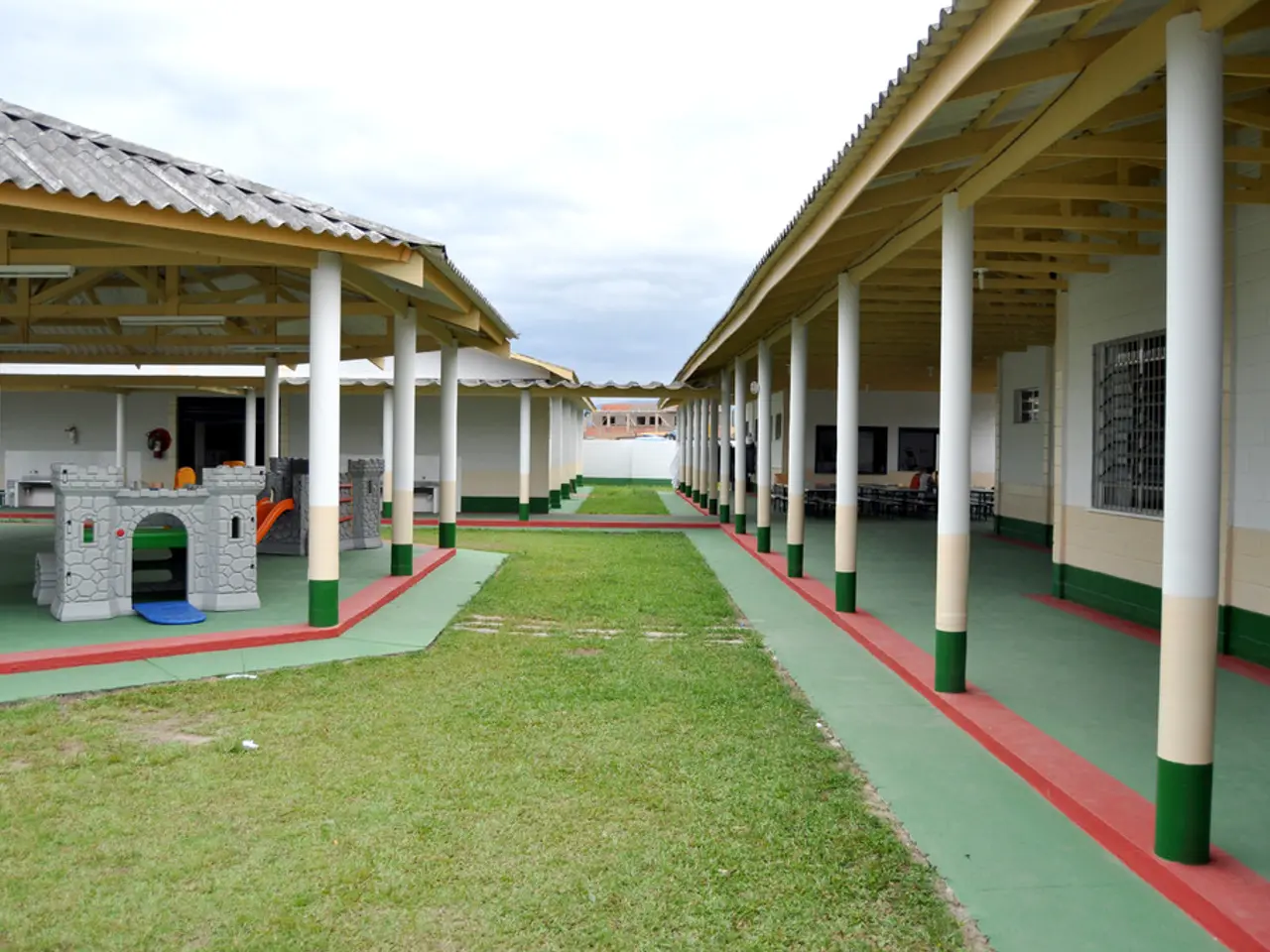
Germany’s first container village for refugees opened in Köpenick a decade ago. Initially intended as a short-term fix, these modular units offered more space than crowded emergency shelters like those in Tegel and Tempelhof. Over time, however, containers became a standard housing form—not just because of the housing crisis, but due to political decisions.
Peter Hermanns, who runs an emergency shelter in Tempelhof with the Arbeiterwohlfahrt, has watched this change unfold. The facility houses around 1,400 people but faces ongoing issues, including complaints about food quality and a lack of privacy. Hermanns argues that the current policy fails to give refugees the stability they need to rebuild their lives. The Berlin Senate once aimed for decentralised housing, where smaller, community-based solutions took priority. That goal has now been dropped in favour of large shelters and hostels. Even the policy of selecting operators based on strong social and integration concepts has been replaced by a focus on the lowest bid. Hermanns insists that, despite the challenges, dedicated operators can still make a difference—but only if they have a clear plan and genuine concern for residents. The Köpenick container village, once a model, closed after ten years. Meanwhile, terrace apartments in areas like Hartriegelstraße show what more permanent housing could look like. Yet with the acute shortage persisting, containers remain the default option.
Hermanns sees little political will to help refugees settle long-term in Berlin. The shift toward large-scale, cost-driven housing has made integration harder, leaving many in temporary conditions for years. Without a change in policy, the reliance on containers and overcrowded shelters is likely to continue.
Read also:
- American teenagers taking up farming roles previously filled by immigrants, a concept revisited from 1965's labor market shift.
- Weekly affairs in the German Federal Parliament (Bundestag)
- Landslide claims seven lives, injures six individuals while they work to restore a water channel in the northern region of Pakistan
- Escalating conflict in Sudan has prompted the United Nations to announce a critical gender crisis, highlighting the disproportionate impact of the ongoing violence on women and girls.