High Fuel Prices: Kummer's Concern Over Climate Cash Payout to Citizens - Thuringia demands climate bonus to offset record-high fuel costs for struggling households
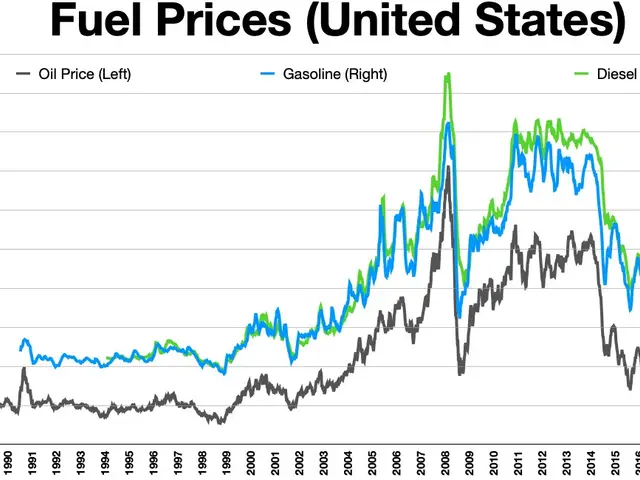
Thuringia's Energy Minister Tilo Kummer is pushing for urgent measures to ease the burden of soaring fuel costs on residents. With petrol and diesel prices climbing due to CO₂ levies, he has demanded the immediate release of a climate bonus to help struggling households. The move comes as many in the rural state face financial strain from record-high fuel expenses.
CO₂ pricing has already added at least 15.7 cents per litre to petrol and 17.3 cents per litre to diesel. By 2026, the cost is set to rise further, with the CO₂ price reaching between 55 and 65 euros per ton—adding another 1.3 to 1.5 cents per litre of petrol. Kummer argues that these extra costs hit low-income families hardest, as they spend a larger share of their income on fuel.
To address the crisis, Kummer has called for an emergency meeting of federal and state energy ministers. If no such conference is arranged, he plans to escalate the issue through the Bundesrat. His proposals include distributing the climate bonus—a full refund of CO₂ revenue—directly to citizens' accounts by 2025, once the technical systems are ready. Kummer has also backed other measures to stabilise prices, including a cap on daily price hikes at petrol stations and the release of oil reserves. These steps, he believes, would bring much-needed relief to drivers in Thuringia, where car dependency is high and fuel costs are squeezing household budgets.
The climate bonus, if implemented, would return CO₂ revenue directly to citizens and ease financial pressure on those most affected. With technical preparations underway for a 2025 rollout, the focus now shifts to whether federal and state leaders will act quickly. For Thuringia's rural communities, the outcome could make a real difference in daily living costs.
Read also:
- American teenagers taking up farming roles previously filled by immigrants, a concept revisited from 1965's labor market shift.
- Weekly affairs in the German Federal Parliament (Bundestag)
- Landslide claims seven lives, injures six individuals while they work to restore a water channel in the northern region of Pakistan
- Escalating conflict in Sudan has prompted the United Nations to announce a critical gender crisis, highlighting the disproportionate impact of the ongoing violence on women and girls.