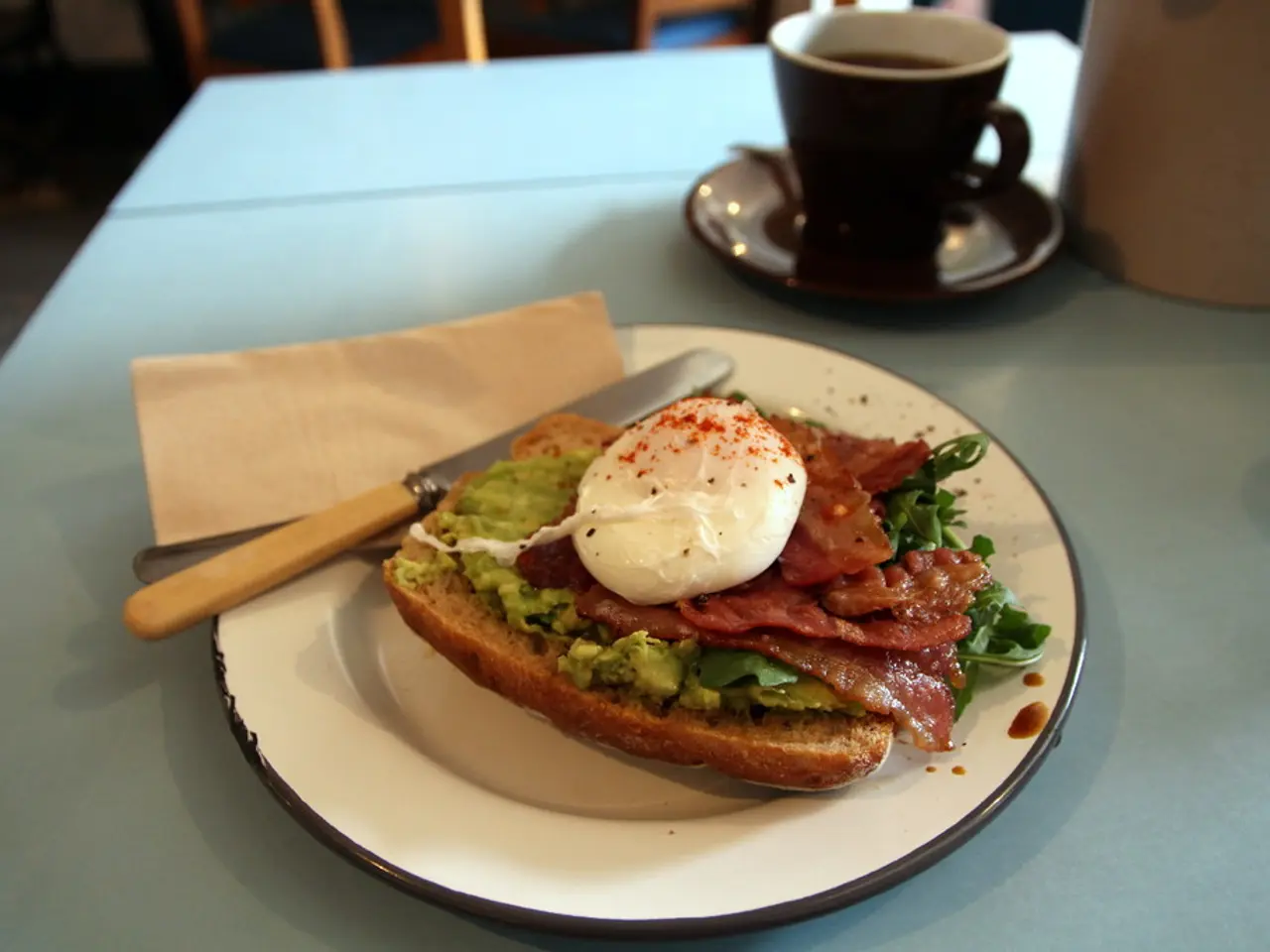
Trade Union Chief Against Lower Restaurant Tax
A new 7% VAT rate on restaurant meals will begin in Germany on January 1, 2026, replacing the current 19% rate. The change follows a proposal backed by Markus Söder in December 2025, but debate continues over its long-term impact on workers and public finances.
The German Hotel and Restaurant Association (Dehoga) has stated that individual businesses should decide how to apply the VAT reduction. Meanwhile, Guido Zeitler, head of the hospitality workers’ union Nahrung-Genuss-Gaststätten (NGG), strongly opposes making the cut permanent. He argues that such measures mainly benefit high-end diners rather than addressing the struggles of industry employees.
Zeitler pointed to the 2010 hotel VAT reduction as proof that tax cuts rarely reach workers. Instead, he urged the government to support staff through housing benefits, wage supplements, and cheaper public transport. He also warned that a permanent VAT cut would cost public budgets nearly €4 billion annually. The dispute highlights differing views on how best to aid the hospitality sector. While some see lower taxes as a boost for businesses, unions insist direct support for workers would be more effective.
The VAT reduction will take effect in 2026, but its future remains uncertain. If made permanent, the policy could reshape restaurant pricing while putting pressure on state finances. The debate now centres on whether businesses or employees will ultimately benefit.
Read also:
- American teenagers taking up farming roles previously filled by immigrants, a concept revisited from 1965's labor market shift.
- Weekly affairs in the German Federal Parliament (Bundestag)
- Landslide claims seven lives, injures six individuals while they work to restore a water channel in the northern region of Pakistan
- Escalating conflict in Sudan has prompted the United Nations to announce a critical gender crisis, highlighting the disproportionate impact of the ongoing violence on women and girls.