Trump's tariffs backfire as 2026 election pressure mounts on GOP
The political fallout from Donald Trump's tariff policies is intensifying ahead of the 2026 elections. With manufacturing job losses and rising costs, Democrats are seizing on the issue, while Republicans face pressure to address voter concerns without alienating their base.
New York Governor Kathy Hochul has taken a leading role, demanding a $13.5 billion refund for state residents after the Supreme Court struck down the levies. Meanwhile, the Trump administration is scrambling to revive the tariffs amid public unease and legal challenges.
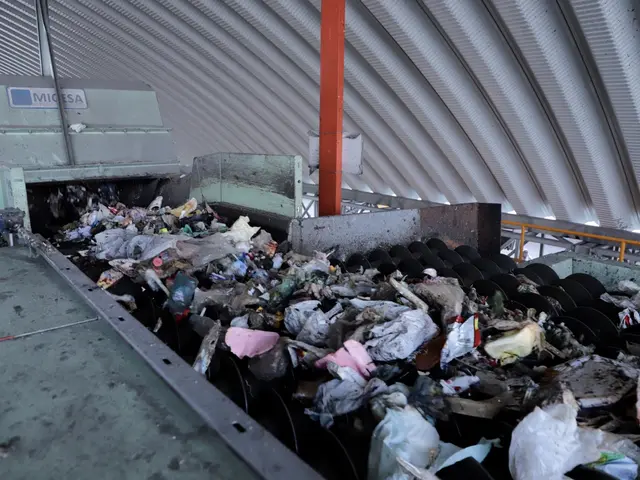
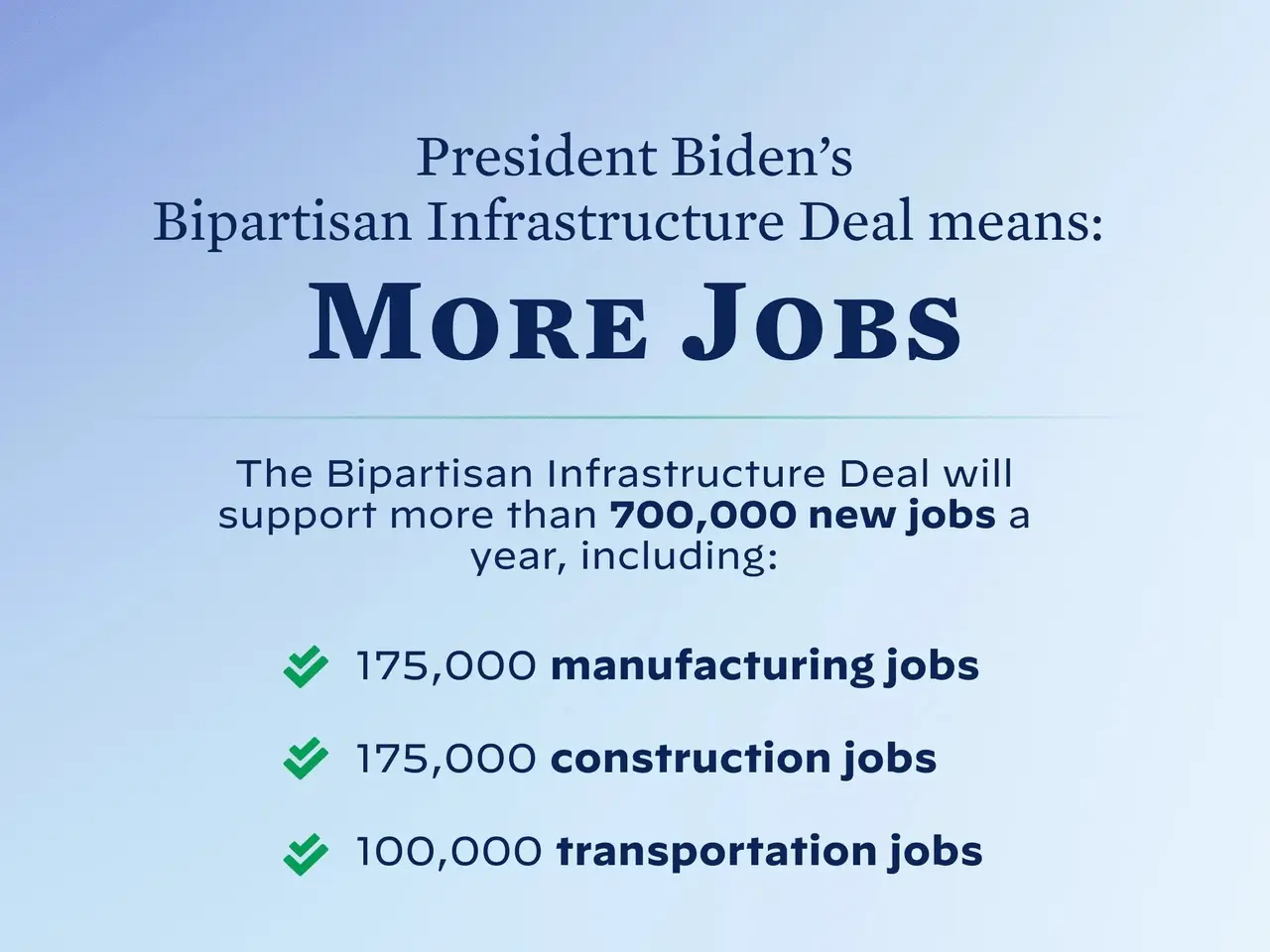
Trump's promise of a manufacturing revival through tariffs has failed to deliver. In the first year of his second term, the sector lost 98,000 jobs, undercutting claims of economic revival. Polling now shows 60% of U.S. adults believe the tariffs went too far, adding to Republican anxieties in an already difficult election year.
Republicans are walking a tightrope. They must acknowledge voter frustration over spiking prices while avoiding direct criticism of Trump, who remains influential among GOP supporters. Some have attempted to shift blame, pointing to affordability struggles in Democrat-led states like New York and California. Democrats, however, are making tariffs a cornerstone of their campaigns. Governors in key battlegrounds—including Arizona, Georgia, Michigan, Nevada, Pennsylvania, and Wisconsin—are suing the administration and framing the levies as a drag on local economies. Hochul's push for a refund highlights the financial strain on households, a message resonating in high-cost states. The Supreme Court's ruling against the tariffs has left the administration searching for legal workarounds. But with 15 states under Democratic control and more gubernatorial races looming, the political stakes are rising. Republicans now face the challenge of defending tariff policies that many voters see as harmful to their wallets.
The tariff debate is reshaping the 2026 election landscape. Democrats are leveraging economic frustration, while Republicans struggle to reconcile voter discontent with loyalty to Trump. With legal battles ongoing and refund demands growing, the issue is set to dominate campaigns in the months ahead.
Read also:
- American teenagers taking up farming roles previously filled by immigrants, a concept revisited from 1965's labor market shift.
- Weekly affairs in the German Federal Parliament (Bundestag)
- Landslide claims seven lives, injures six individuals while they work to restore a water channel in the northern region of Pakistan
- Escalating conflict in Sudan has prompted the United Nations to announce a critical gender crisis, highlighting the disproportionate impact of the ongoing violence on women and girls.