U.S. Climate Policy Swings Between Ambition and Economic Realities Over Decades
The U.S. has long balanced climate commitments with economic priorities, often favouring energy independence over strict emission cuts. From rejecting the Kyoto Protocol to rejoining the Paris Agreement, its approach has shifted with each administration. Meanwhile, Europe has steadily advanced its own climate policies despite these fluctuations.
In 2001, the U.S. refused to ratify the Kyoto Protocol, a treaty requiring binding emission reductions from industrialised nations. President George W. Bush argued it would harm the economy and exempted developing countries like China. Years later, President Trump took an even harder line, withdrawing from the Paris Agreement in 2017 and even attempting to abandon the 1992 UN Framework Convention on Climate Change entirely.
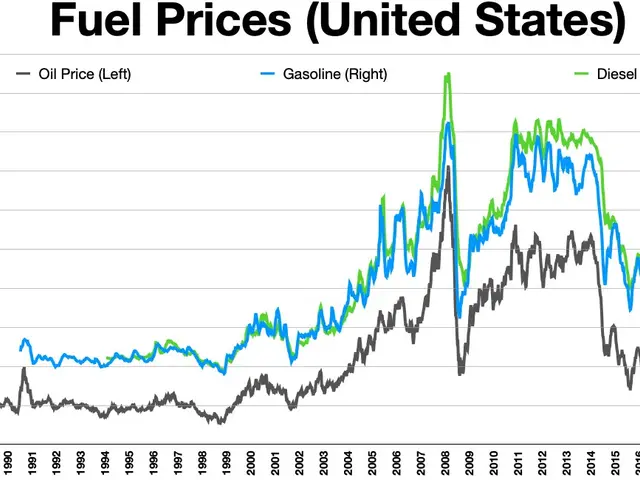
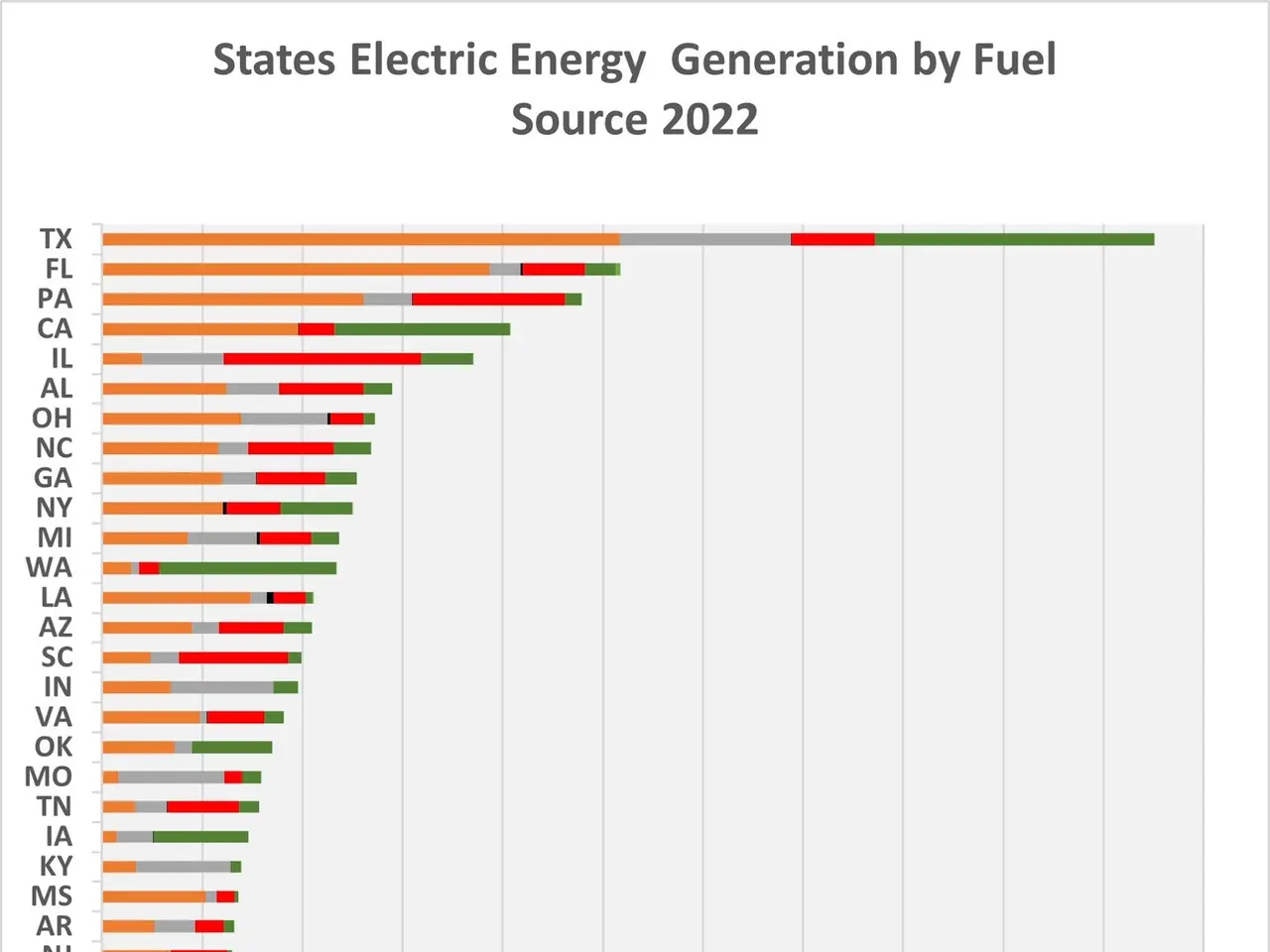
The U.S. stance softened under President Biden, who rejoined the Paris Agreement in 2021. His administration also introduced the Inflation Reduction Act (IRA), offering subsidies for clean energy while still expanding fossil fuel production. The 2022 energy crisis further reshaped dynamics, as the U.S. became a major LNG exporter to Europe, replacing Russian gas. Low gas prices, IRA incentives, and protectionist tariffs now give American industry a competitive edge—often at the expense of stricter global emission targets.
Europe, however, has maintained steady progress over the past two decades. Renewables in Germany, for instance, are already cheaper than fossil fuels and nuclear power when accounting for environmental and economic costs. The EU has also avoided over-reliance on U.S. LNG, sticking to its climate principles. Local action in the U.S. has filled some gaps, with many states and cities pushing ahead with climate policies regardless of federal decisions.
The cost of oil and gas extraction remains high, making renewables a more sustainable long-term investment. Europe's commitment to clean energy continues to strengthen energy security while cutting emissions. For now, the U.S. balances climate action with economic interests—but the shift toward renewables is becoming harder to ignore.
Read also:
- American teenagers taking up farming roles previously filled by immigrants, a concept revisited from 1965's labor market shift.
- Weekly affairs in the German Federal Parliament (Bundestag)
- Landslide claims seven lives, injures six individuals while they work to restore a water channel in the northern region of Pakistan
- Escalating conflict in Sudan has prompted the United Nations to announce a critical gender crisis, highlighting the disproportionate impact of the ongoing violence on women and girls.