U.S. Eases Persian Gulf Tensions by Allowing Iranian Oil Tankers to Depart
U.S. Treasury Secretary Scott Bessent has allowed Iranian oil tankers to leave the Persian Gulf in an effort to stabilise global energy supplies. The move comes amid rising tensions, with shipping traffic through the Strait of Hormuz nearly halted due to Iranian blockades and attacks on vessels.
Since late February 2026, airstrikes by the U.S. and Israel on Iran have escalated regional instability. While no exact figures exist, reports indicate that only a handful of ships—mostly Indian-bound—have managed to pass through the Strait of Hormuz. Mundra port in India remains a key destination for the few vessels getting through.
Bessent has stated that he is comfortable with Iran withdrawing its own ships from the Gulf. Some Chinese vessels have also successfully exited the area, despite the ongoing disruptions. However, the timeline for resolving the conflict remains uncertain, according to the Treasury Secretary.
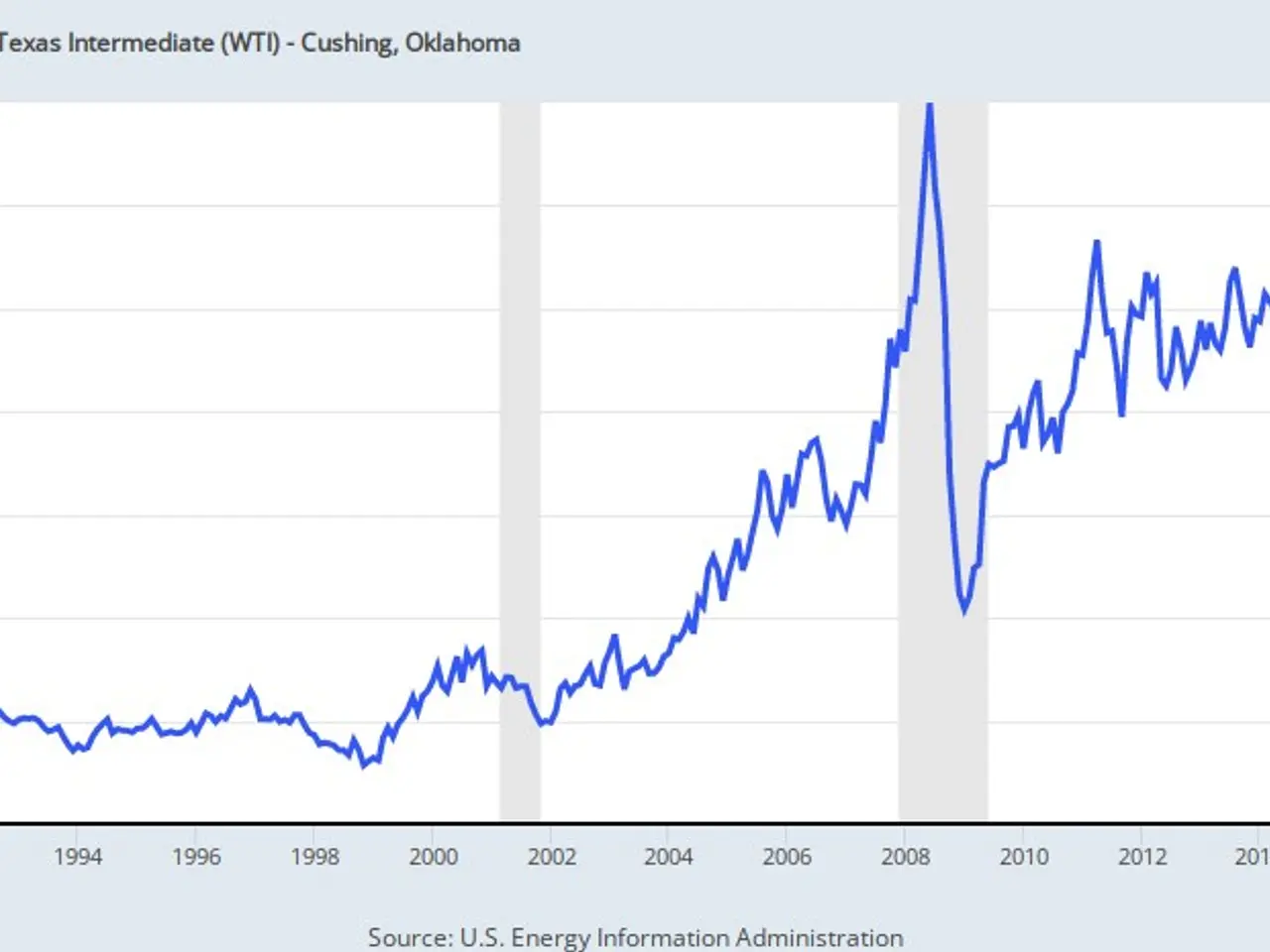
Bessent predicts crude oil prices will drop well below $80 per barrel once the crisis ends. For now, the focus remains on easing supply chain pressures by permitting limited movement of tankers. The situation continues to affect global shipping routes and energy markets.
Read also:
- American teenagers taking up farming roles previously filled by immigrants, a concept revisited from 1965's labor market shift.
- Weekly affairs in the German Federal Parliament (Bundestag)
- Landslide claims seven lives, injures six individuals while they work to restore a water channel in the northern region of Pakistan
- Escalating conflict in Sudan has prompted the United Nations to announce a critical gender crisis, highlighting the disproportionate impact of the ongoing violence on women and girls.