UK poverty rises to 13.4 million as child hardship deepens in 2024/25
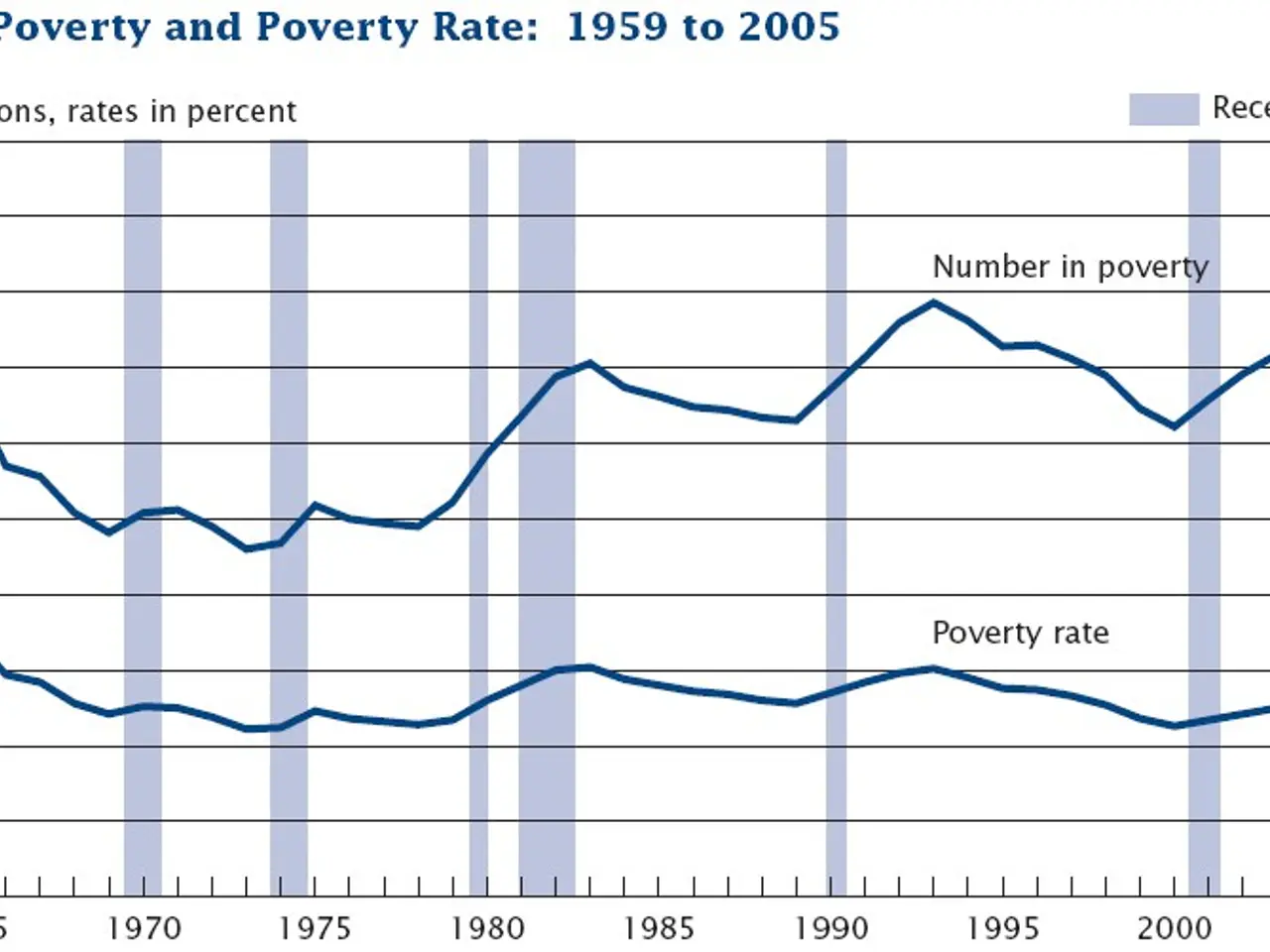
New poverty figures for the UK have been released, showing a rise in the number of people struggling financially. The Department for Work and Pensions published the data on Thursday, revealing that 13.40 million individuals lived in poverty during 2024/25. Among them, 4.03 million were children. The latest statistics define poverty as households earning less than 60% of the median national income after housing costs. This year's total marks an increase from 12.93 million people in the previous period. However, a recent change in calculation methods means direct comparisons with older data are no longer reliable.
The Labour Government has now abolished the two-child benefit cap, with the change taking effect next month. Officials estimate that removing this limit will lift around 450,000 children out of poverty by the end of 2029/30. Yet, the full impact of this policy shift will not appear in official statistics until 2026/27. In response to the figures, the Child Poverty Action Group highlighted the ongoing challenges faced by children in low-income families. They stressed the need for continued support to address the effects of financial hardship on young lives.
The removal of the two-child benefit cap aims to reduce child poverty over the next five years. While the latest data shows a rise in overall poverty, the Government's policy change is expected to bring gradual improvements. The next set of statistics in 2026/27 will provide clearer evidence of its effects.
Read also:
- American teenagers taking up farming roles previously filled by immigrants, a concept revisited from 1965's labor market shift.
- Weekly affairs in the German Federal Parliament (Bundestag)
- Landslide claims seven lives, injures six individuals while they work to restore a water channel in the northern region of Pakistan
- Escalating conflict in Sudan has prompted the United Nations to announce a critical gender crisis, highlighting the disproportionate impact of the ongoing violence on women and girls.