UN expert slams Germany's criminal trial of climate activists as rights crackdown
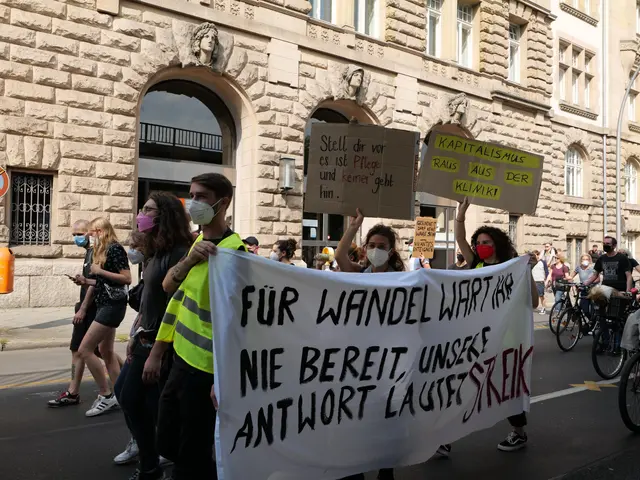
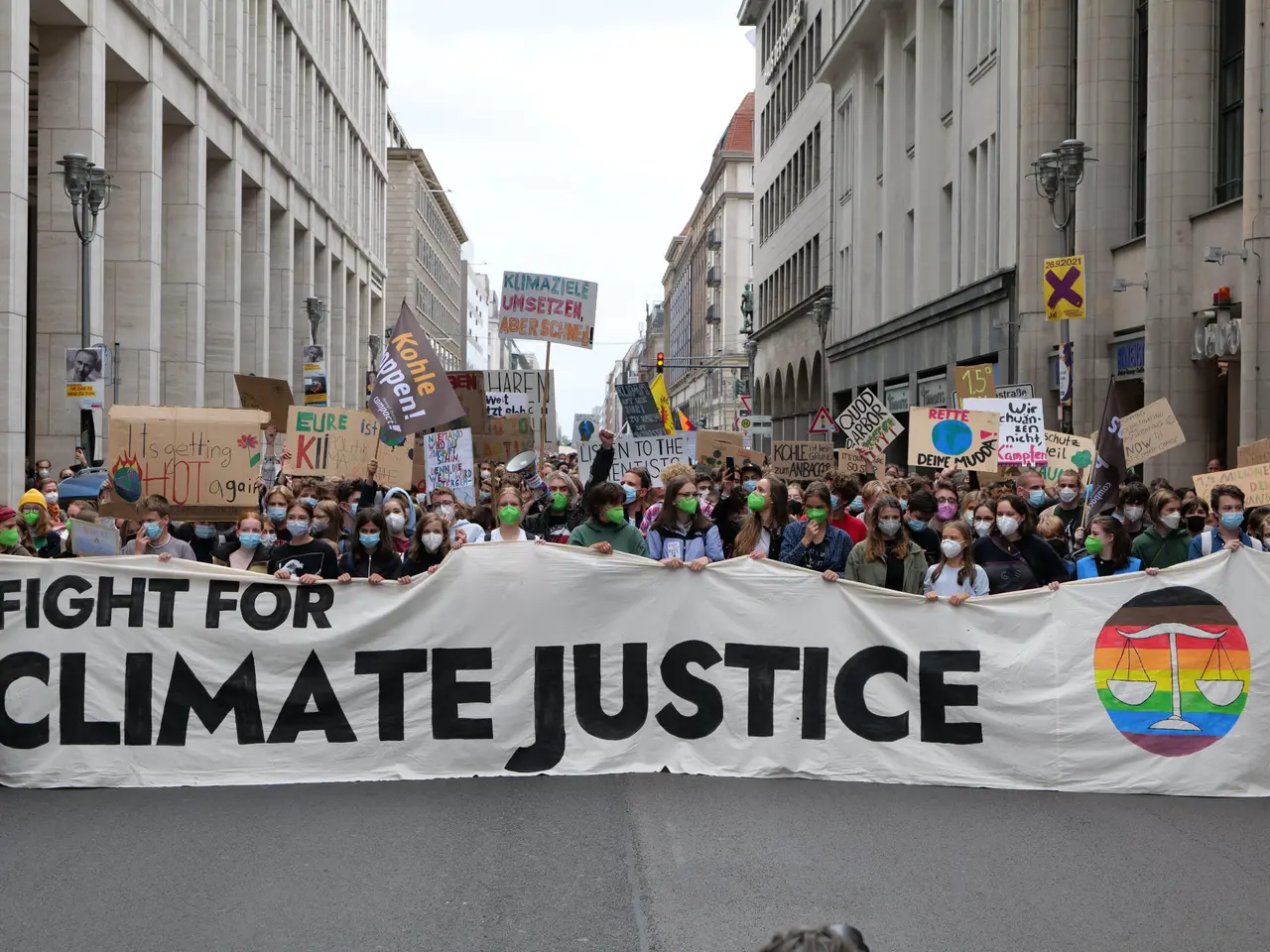
A UN human rights expert has criticised Germany's trial of five climate activists from the now-disbanded Last Generation movement. Mary Lawlor, the UN Special Rapporteur on human rights defenders, warned that governments are increasingly treating peaceful protest as criminal activity. The case, heard at Potsdam Regional Court, centres on charges of 'forming a criminal organisation'—a claim the activists have openly acknowledged breaking the law to support.
The trial follows a series of crackdowns on the group. Authorities raided activists' homes, seized their website during a fundraising drive, and declared Last Generation a criminal organisation in a public notice by Munich prosecutors. Under German law, Section 129 allows for extensive surveillance, including GPS tracking of members and monitoring of their press hotline. If convicted, the activists face up to five years in prison, while supporters could receive three-year sentences.
Lawlor framed the legal action against a backdrop of worsening climate impacts. She highlighted that 3.3 to 3.6 billion people already live in highly vulnerable conditions, describing the situation as a 'total catastrophe' for human rights. In her view, criminalising activism does nothing to address climate change but instead shields those profiting from environmental harm. She argued that civil disobedience has a legitimate role in pushing for urgent action.
Germany is not alone in this approach. Over the past five years, at least five to seven countries—including France, Italy, Poland, and the UK—have introduced similar legal measures against climate protesters. These range from broad 'criminal organisation' charges to other prosecutorial tactics. However, Lawlor's role as a UN rapporteur limits her ability to influence member states, leaving her to raise concerns rather than enforce change.
The activists have admitted to breaking laws but maintain their actions were necessary to confront the climate crisis. Lawlor stressed that governments should focus on holding powerful polluters accountable rather than targeting those demanding solutions.
The trial continues amid wider debates over the balance between protest and criminalisation. Lawlor's intervention underscores growing international concern about how states respond to climate activism. With billions at risk from climate impacts, the case could set a precedent for how dissent is treated in the years ahead.
Read also:
- American teenagers taking up farming roles previously filled by immigrants, a concept revisited from 1965's labor market shift.
- Weekly affairs in the German Federal Parliament (Bundestag)
- Landslide claims seven lives, injures six individuals while they work to restore a water channel in the northern region of Pakistan
- Escalating conflict in Sudan has prompted the United Nations to announce a critical gender crisis, highlighting the disproportionate impact of the ongoing violence on women and girls.