US gas prices spike 27% as Middle East tensions drive costs higher
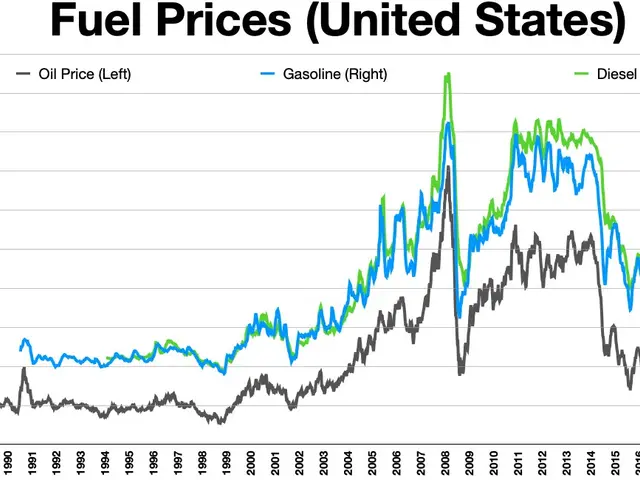
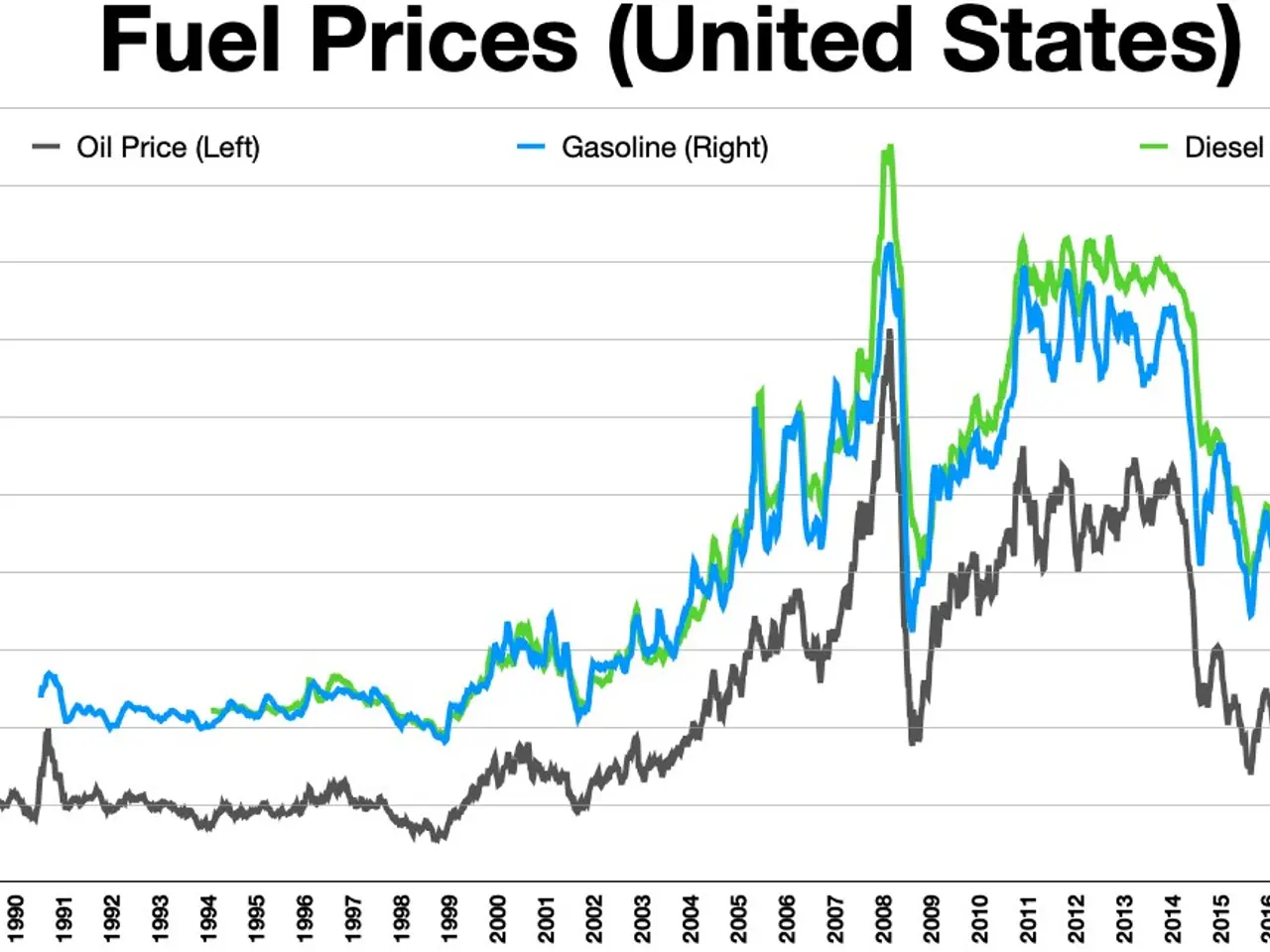
Gas prices in the US have surged by 80 cents per gallon in the past month—a 27% increase driven by tensions between the US, Israel, and Iran. The sharp rise is now pushing up costs for goods and services, leaving drivers and businesses under pressure. Governors across several states are responding differently, with some resisting calls for another gas tax holiday.
The sudden price hike has reignited debates over gas tax suspensions. In 2022, many states temporarily cut fuel taxes to ease costs, but only one governor has suggested repeating the measure in 2023. Connecticut's Ned Lamont proposed a one-month tax holiday to give residents immediate relief.
Diesel prices have climbed even faster than regular petrol, adding strain on transport and delivery services. Yet, some states remain hesitant to suspend taxes again. Budget concerns and uncertainty over how long the conflict will last are key factors in their reluctance. Georgia's Brian Kemp and New York's Kathy Hochul have both ruled out new state-level suspensions. Kemp prefers targeted tax breaks instead of broad cuts, while Hochul urged the federal government to step in. Even if states act, drivers may not see full savings—previous holidays showed that only 60% to 80% of the tax cut reached consumers, with the rest absorbed by retailers and suppliers. This time, relief could be even smaller. Supply chain issues and volatile fuel markets mean stations might hold back more of the savings, leaving motorists with less benefit than before.
The price surge is already affecting transport, goods, and household budgets. With states divided on tax cuts and federal action uncertain, drivers face limited short-term relief. How long the conflict lasts will determine whether further measures are taken—or if prices keep climbing.
Read also:
- American teenagers taking up farming roles previously filled by immigrants, a concept revisited from 1965's labor market shift.
- Weekly affairs in the German Federal Parliament (Bundestag)
- Landslide claims seven lives, injures six individuals while they work to restore a water channel in the northern region of Pakistan
- Escalating conflict in Sudan has prompted the United Nations to announce a critical gender crisis, highlighting the disproportionate impact of the ongoing violence on women and girls.