US Military Censorship Plan Sparks Press Freedom Alarm
The US government's attempts to control military news have sparked a fierce debate about press freedom. Independent media outlets and advocacy groups are pushing back against plans that could severely restrict independent journalism and public access to military information.
Established media outlets with access to the Pentagon have long been accused of aligning their reporting with the government's wishes. Now, the US government is considering censorship measures that would require journalists with Pentagon access to sign agreements not to publish unapproved information, including non-classified material. This has raised alarm bells among press freedom advocates, who argue that it limits independent reporting and allows only government-approved information to reach the public.
Independent platforms like WikiLeaks have become crucial in publishing secret information that mainstream media may not report. Centrist and right-wing media outlets, including NBC, CBS, and Fox News, have also opposed these restrictions on press freedom. However, the New York Times has previously withheld a story about the NSA's mass surveillance in 2005 after the Bush administration raised security concerns, highlighting the complex dynamics at play.
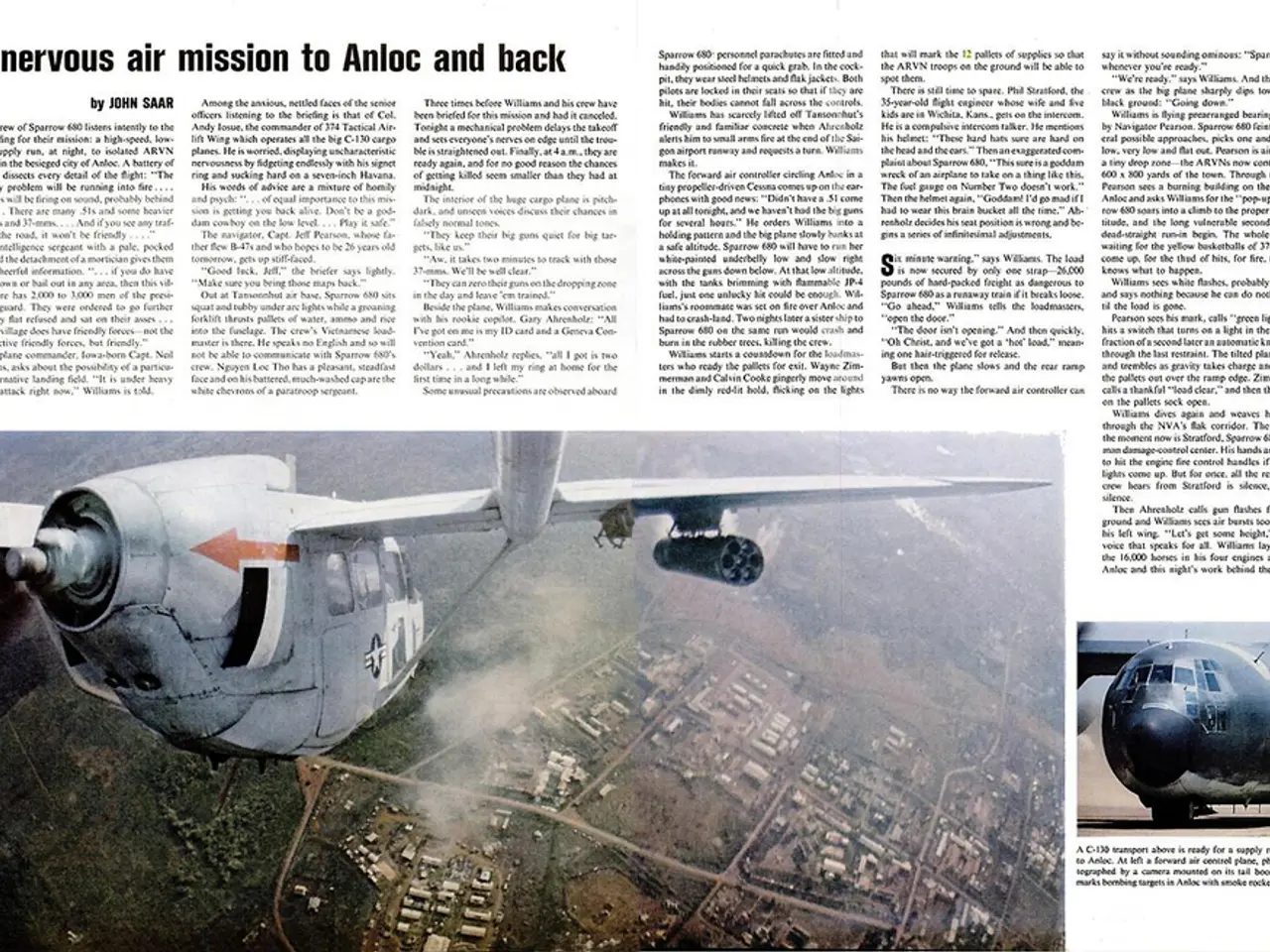
US President Donald Trump has been vocal about his desire to impose absolute control over the press in the Department of Defense. His plan includes a de facto military censorship that would require reporters to have their articles approved before publication. The Atlantic magazine has questioned why the Pentagon is afraid of the press, emphasizing the importance of independent journalism in a democratic society. Historically, the New York Times' publication of the Pentagon Papers in 1971 set a legal precedent against prior restraint, exposing government lies about the Vietnam War. However, there are concerns that embedded reporters could become 'stenographers of the powerful', further eroding public trust in media outlets.
The proposed military censorship measures in the US have reignited the debate about press freedom and the role of independent journalism. As the government seeks to control military news, it is crucial for media outlets, advocacy groups, and citizens to defend press freedom and ensure that diverse, independent voices continue to inform the public.
Read also:
- American teenagers taking up farming roles previously filled by immigrants, a concept revisited from 1965's labor market shift.
- Weekly affairs in the German Federal Parliament (Bundestag)
- Landslide claims seven lives, injures six individuals while they work to restore a water channel in the northern region of Pakistan
- Escalating conflict in Sudan has prompted the United Nations to announce a critical gender crisis, highlighting the disproportionate impact of the ongoing violence on women and girls.