US tariffs spike 200% in 2025, squeezing businesses and consumers alike
US tariff revenue surged by nearly 200% in 2025, reaching an extra $187 billion compared to the previous year. The sharp increase comes as small business ideas begin shifting more of these costs onto consumers, raising concerns about further price hikes in 2026. With midterm elections approaching, President Trump now faces pressure to ease tariffs or risk worsening the cost-of-living crisis for American households.
The tariff surge began in early 2025, when businesses rushed to stockpile goods before higher duties took effect. Those stockpiles are now depleting, forcing companies to absorb or pass on the extra costs. Goldman Sachs economists estimate that tariffs alone pushed inflation up by half a percentage point last year.
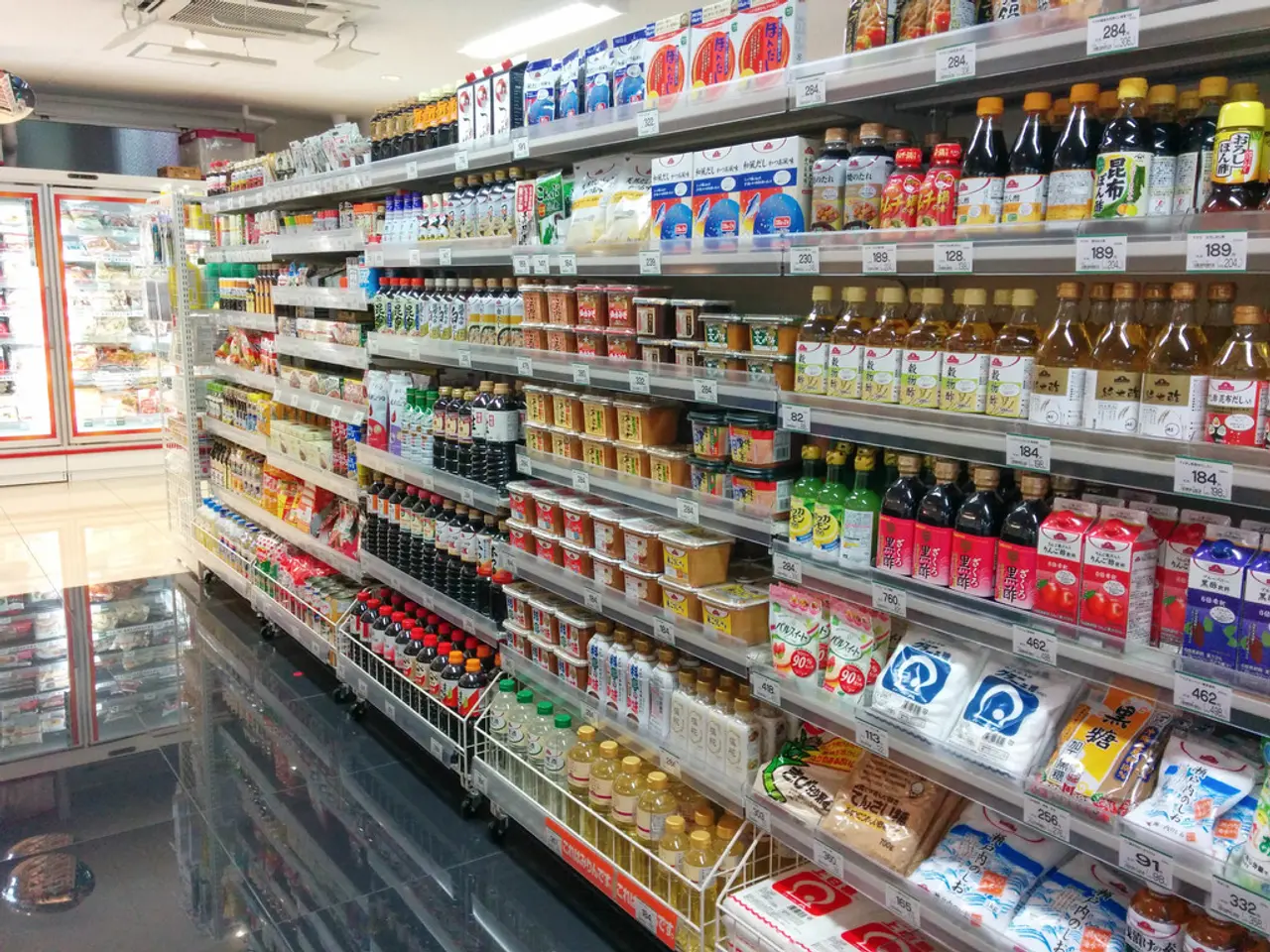
Initially, businesses covered roughly 80% of the tariff bill. But as pressure mounts, that share could drop to just 20% by the end of 2026. Low-margin items like groceries may be among the first to see price increases next year. The administration has tried to soften the impact by adding exemptions for certain goods. Trump has also reversed tariff threats in the past, sometimes to avoid alienating voters. A Supreme Court case could further complicate matters by invalidating some of his broadest tariffs, potentially forcing refunds and limiting future hikes. Meanwhile, Americans are already grappling with rising costs elsewhere. In Germany, for example, public transport fares jumped by an average of 4.28%, while energy prices climbed due to a higher CO₂ tax. Social insurance contributions have also risen for middle- and high-income earners.
The tariff policy has already driven up government revenue and inflation, with businesses now pushing costs onto shoppers. If Trump maintains or expands tariffs, everyday goods could become even more expensive in 2026. The Supreme Court’s decision and the upcoming elections may determine whether relief—or further strain—lies ahead for consumers.
Read also:
- American teenagers taking up farming roles previously filled by immigrants, a concept revisited from 1965's labor market shift.
- Weekly affairs in the German Federal Parliament (Bundestag)
- Landslide claims seven lives, injures six individuals while they work to restore a water channel in the northern region of Pakistan
- Escalating conflict in Sudan has prompted the United Nations to announce a critical gender crisis, highlighting the disproportionate impact of the ongoing violence on women and girls.