USAF Alters T-7 Project Once More: New Test Aircraft Introduced, Production Pushed Back
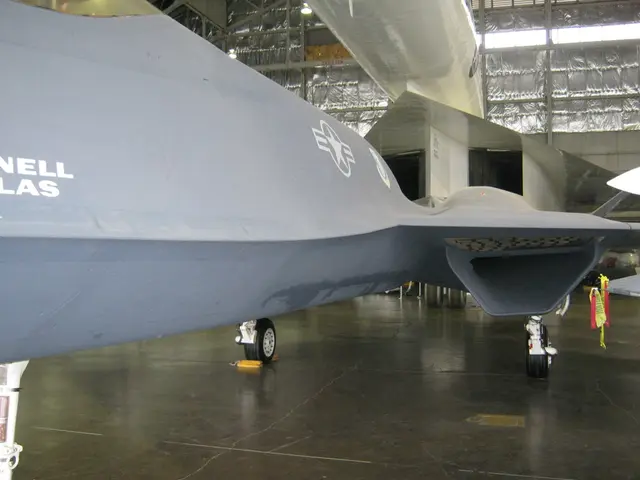
The T-7A Red Hawk training jet program, designed to replace the aging T-38C Talon, is making significant strides in its testing phases. On June 17, 2025, the aircraft successfully completed a second round of extreme environmental testing at the McKinley Climatic Laboratory, validating its performance and system reliability under harsh operational conditions.
The T-7A is an advanced digital fly-by-wire aircraft featuring open architecture avionics and embedded virtual training capabilities, preparing pilots for flying 4th and 5th generation fighters such as the F-22, F-35, and future B-21 platforms. However, the program has faced challenges, particularly with aircraft wing rock, flight control software, escape system, testing data, and quality problems with some T-7 parts.
Recent reports have not highlighted major delays or problems akin to those seen on other Boeing defense programs like the KC-46 tanker or the 787 commercial airliner. Nevertheless, there are concerns in international markets about software delays potentially impacting the T-7A's competitiveness against rivals like the Leonardo M-346 or KAI T-50 in advanced trainer competitions.
The Air Force is seeking Congressional action to execute an adjusted plan for the T-7 program. This adjustment includes increasing the test fleet from five to nine aircraft, with most tests taking place at Edwards Air Force Base, California. The additional test aircraft are intended to help Air Education and Training Command develop future curriculum for the T-7 and address "emergent issues."
Boeing, the manufacturer of the T-7A, is committed to providing the safest and most advanced training system to the Air Force. The interim Boeing Defense, Space and Security president and CEO, Steve Parker, has stated that the new plan will provide a production-ready configuration to the Air Force prior to low-rate initial production.
Lawmakers have expressed skepticism and frustration with T-7 delays, requiring a "schedule risk assessment" of the T-7A. The Air Force plans to push the purchase of the first lot of seven production T-7s from fiscal 2025 to fiscal 2026. The projected initial operational capability (IOC) for the T-7 has been delayed multiple times, with the current goal being 2027.
The first T-7 aircraft was taken into possession by the Air Force in November 2023. Despite the challenges, Boeing acknowledges the flight control setbacks but claims the issues have been resolved. The Air Force plans to purchase four more T-7 jets for testing, aiming to ensure full mission readiness for global deployment.
As the T-7A Red Hawk program continues to progress, it is expected to meet its projected timelines, though further updates from official sources would be needed for exact IOC dates. The program's success will play a crucial role in preparing the next generation of pilots for the challenges of modern air combat.
- The Air Force considers the T-7A Red Hawk a crucial investment in the preparation of pilots for the challenges of modern air combat, including flying fourth (F-22) and fifth (F-35) generation fighters, as well as future B-21 platforms.
- The T-7A, designed to replace the aging T-38C Talon, is an advanced digital fly-by-wire aircraft featuring open architecture avionics and embedded virtual training capabilities.
- Despite progress in testing, the T-7 program has faced challenges related to aircraft wing rock, flight control software, escape system, testing data, and quality problems with some T-7 parts.
- In response to these challenges, the Air Force is seeking Congressional action to adjust the T-7 program, including increasing the test fleet from five to nine aircraft and aiming to ensure full mission readiness for global deployment.
- Boeing, the manufacturer of the T-7A, is committed to providing the safest and most advanced training system to the Air Force, and plans to address the flight control setbacks through the additional test aircraft and a production-ready configuration.
- As aerospace industries worldwide compete in advanced trainer competitions, concerns have arisen about potential software delays with the T-7A impacting its competitiveness against rivals like the Leonardo M-346 or KAI T-50.