Vietnam strengthens fire safety after decade of deadly blazes and losses
Vietnam has faced severe fire-related challenges over the past decade, with 430 major blazes recorded between 2015 and 2025. These incidents resulted in 778 deaths, 500 injuries, and financial losses exceeding VNĐ10 trillion (US$380 million). Authorities have since intensified efforts to strengthen fire safety measures nationwide. In 2015, the Party Secretariat issued Directive 47-CT/TW, marking the first dedicated policy on fire prevention, firefighting, and rescue. This move aimed to improve state management and accountability in fire safety. Over the following years, enforcement actions included 205,000 administrative violation records, with 14,500 facilities temporarily suspended and 12,700 permanently shut down for non-compliance. Criminal prosecutions also targeted fire safety violations, leading to 177 cases against 117 defendants.
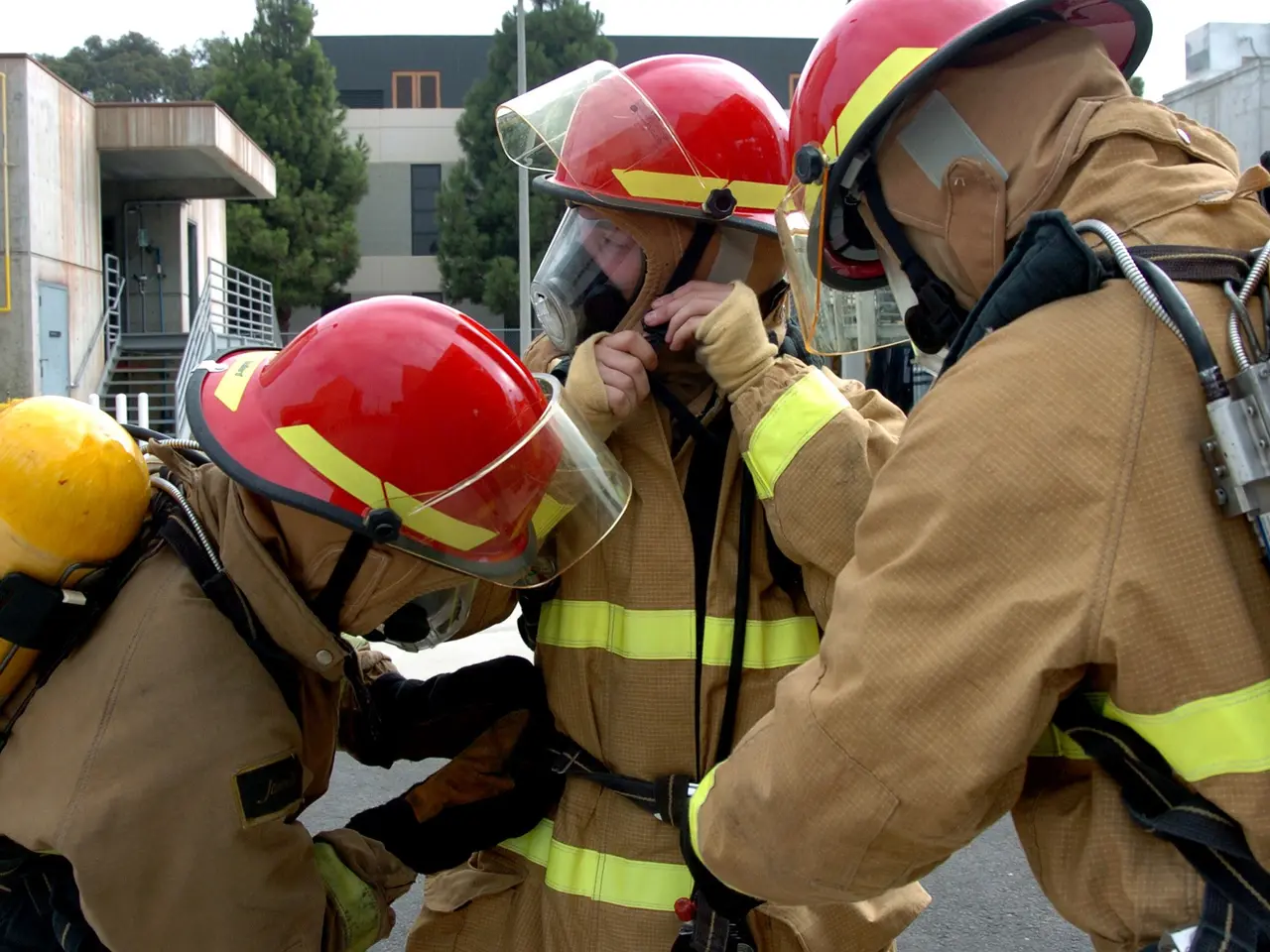
Firefighting and rescue teams responded to nearly 29,700 fires and 12,000 rescue incidents during this period. Recognising the need for stronger measures, the government updated its approach in January with Directive 02-CT/TW. This new directive clarifies responsibilities for officials, Party members, and citizens while emphasising modernisation.
Tú, a Permanent Member of the Party Secretariat, stressed the importance of raising public awareness and defining local leaders’ roles in fire prevention. He also called for investment in advanced equipment, technology, and training to build a professional firefighting force. The goal is to ensure fire prevention remains a consistent priority across Vietnam’s political system. The updated directives and stricter enforcement reflect Vietnam’s push to reduce fire risks and improve emergency response. With clearer responsibilities and enhanced resources, authorities aim to prevent future tragedies and protect lives and property. The focus remains on sustained training, public education, and infrastructure upgrades.
Read also:
- American teenagers taking up farming roles previously filled by immigrants, a concept revisited from 1965's labor market shift.
- Weekly affairs in the German Federal Parliament (Bundestag)
- Landslide claims seven lives, injures six individuals while they work to restore a water channel in the northern region of Pakistan
- Escalating conflict in Sudan has prompted the United Nations to announce a critical gender crisis, highlighting the disproportionate impact of the ongoing violence on women and girls.