Vietnam's March 15 election to reshape governance and deepen Cuba ties
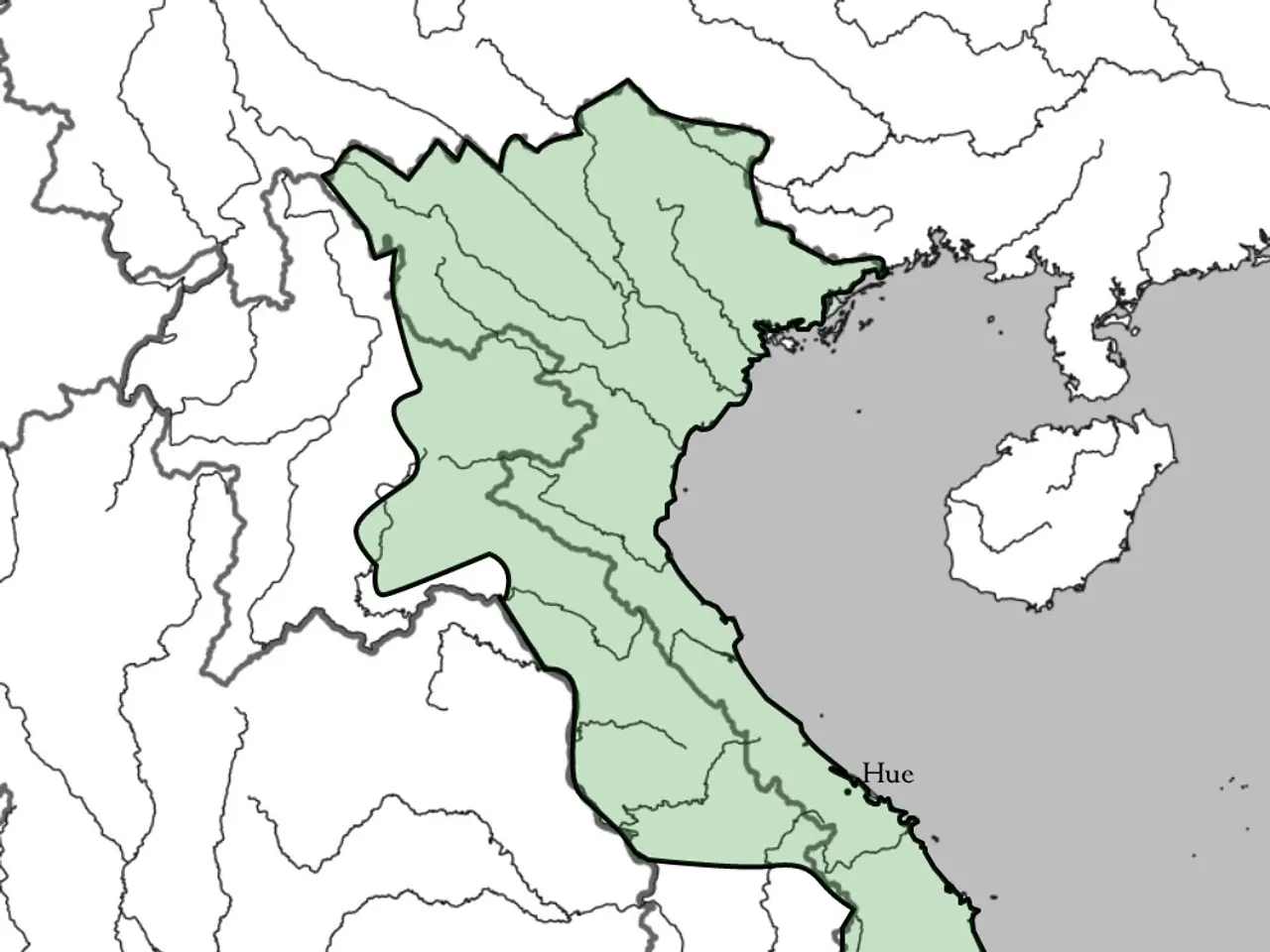
Vietnam is preparing for a significant political milestone with the election of deputies to its 16th National Assembly (NA) and People's Councils on March 15. The vote comes at a time when the country has just completed a major administrative restructuring, reducing its provinces from 63 to 34 and abolishing district-level governance to streamline efficiency. This election is seen as a key step in advancing the strategic goals set out at the Communist Party's 14th National Congress.
The upcoming election aims to accelerate three major breakthroughs identified by the Party's 14th Congress: legislative reform, institutional improvement, and enhanced governance. High-quality human resource development and modernising strategic infrastructure are also top priorities for Vietnam's socio-economic progress. The vote will help strengthen the country's democratic political system while boosting its capacity for law-making and public administration.
Vietnam's recent administrative overhaul, implemented in July 2025, marks a bold shift in governance. The restructuring merged 29 provinces, eliminated the district level entirely, and consolidated over 60% of communes. These changes were designed to improve local administrative efficiency and support broader national development plans.
Beyond domestic reforms, the election is expected to deepen Vietnam's long-standing ties with Cuba. Both nations have historically shared strong solidarity, often cited as a model in international relations. Inter-parliamentary cooperation between the two countries remains positive, with active oversight of high-level economic agreements. Cuba's commitment to supporting Vietnam—first pledged by Fidel Castro—is now being translated into concrete material cooperation.
The partnership extends beyond bilateral ties, as both countries seek to advance socialism while contributing to global peace and development. The 16th NA is anticipated to inject new energy into this relationship, fostering greater exchange in law-making and social governance experience.
The March 15 election will play a crucial role in shaping Vietnam's political and administrative future. By reinforcing governance structures and legislative frameworks, it sets the stage for implementing key reforms outlined in the Party's 14th Congress. Meanwhile, the vote also strengthens Vietnam's collaboration with Cuba, ensuring continued cooperation in law-making, economic development, and shared socialist goals.
Read also:
- American teenagers taking up farming roles previously filled by immigrants, a concept revisited from 1965's labor market shift.
- Weekly affairs in the German Federal Parliament (Bundestag)
- Landslide claims seven lives, injures six individuals while they work to restore a water channel in the northern region of Pakistan
- Escalating conflict in Sudan has prompted the United Nations to announce a critical gender crisis, highlighting the disproportionate impact of the ongoing violence on women and girls.