Viral Shell boycott call lacks credibility and official backing
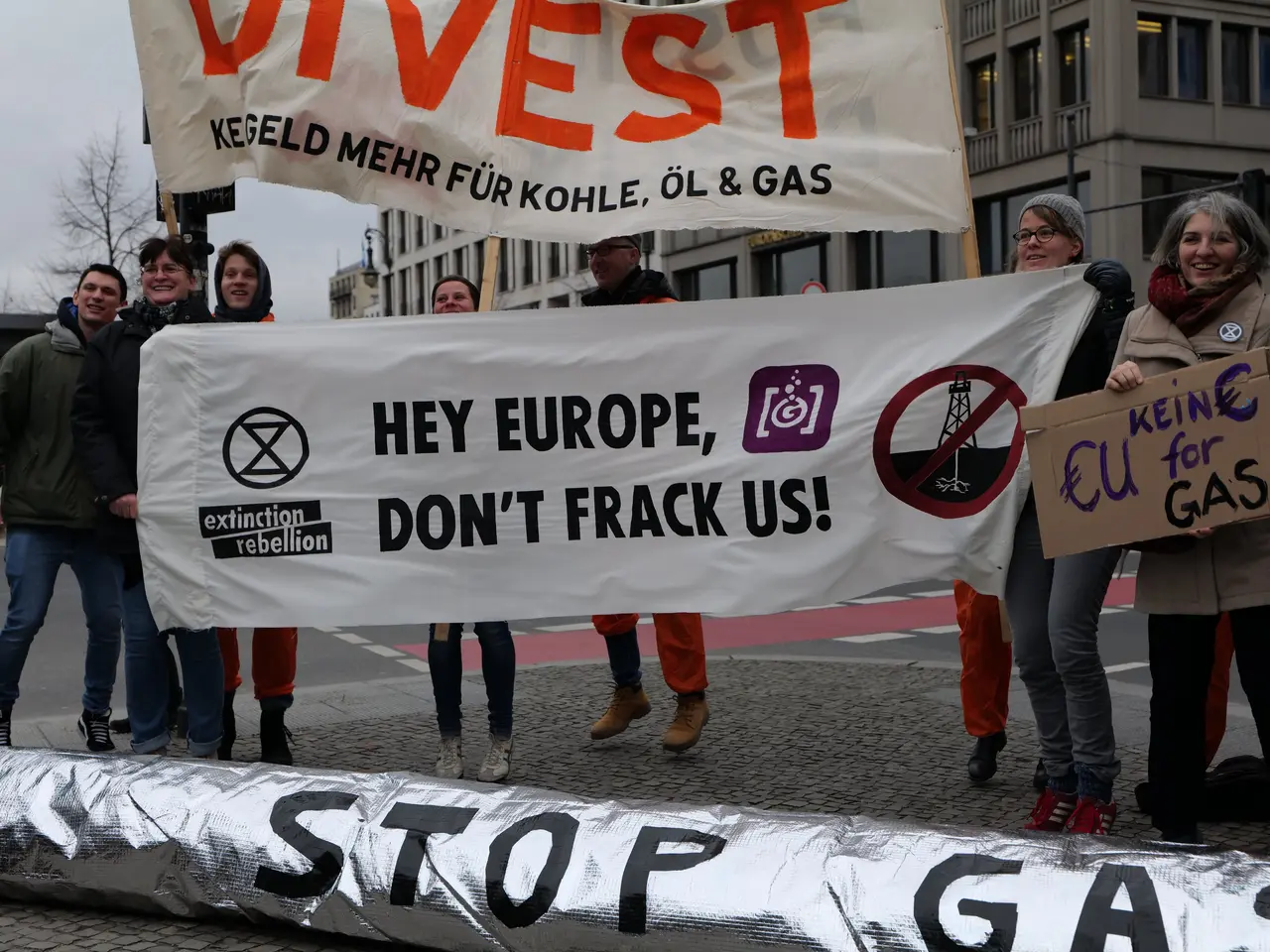
A photo urging a nationwide boycott of Shell gas stations has spread across social media and messaging apps. The call asks people to avoid Shell from March 10 to April 10, 2026, and share the message widely. However, no official organisers or institutions stand behind the campaign.
The boycott claim appears to be a chain message with no factual basis. No spokespeople, companies, or groups have publicly supported the call. Similar messages in the past have often lacked credibility and evidence.
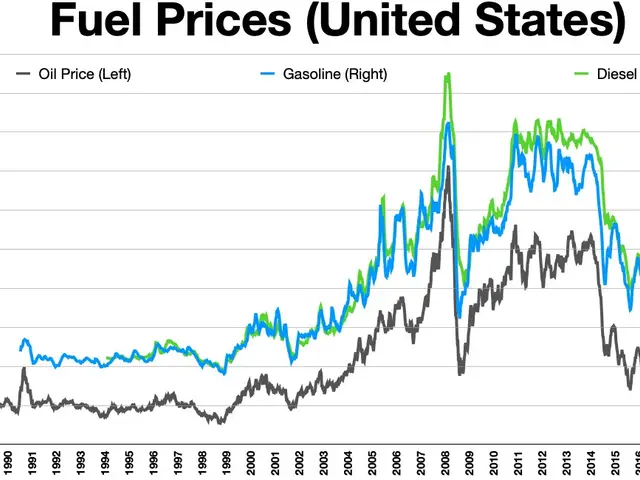
Experts suggest that even a widespread boycott would have little effect on fuel prices. Market demand would remain unchanged if customers simply switched to other providers. In such cases, competing stations might slightly increase their prices instead. Fuel costs are largely determined by taxes, levies, and global crude oil prices. Logistics and operational expenses also play a role, while gas station profit margins are slim—typically just one to two cents per litre. The claim that a similar campaign succeeded in Canada has no verified evidence. Without concrete organisers or clear goals, the boycott would likely remain symbolic. The message itself does not provide details on station numbers or regional impact in Germany.
The circulating boycott call lacks official backing and relies on unverified claims. Any short-term shift in customer behaviour would probably not alter fuel pricing or market conditions. The message continues to spread despite its questionable origins and limited potential impact.
Read also:
- American teenagers taking up farming roles previously filled by immigrants, a concept revisited from 1965's labor market shift.
- Weekly affairs in the German Federal Parliament (Bundestag)
- Landslide claims seven lives, injures six individuals while they work to restore a water channel in the northern region of Pakistan
- Escalating conflict in Sudan has prompted the United Nations to announce a critical gender crisis, highlighting the disproportionate impact of the ongoing violence on women and girls.