Volkswagen's Osnabrück plant may pivot to defense contracts amid auto decline
Volkswagen's works council chief, Daniela Cavallo, has signalled a possible shift for the company's Osnabrück plant. With car production winding down, she sees defense manufacturing as a way to secure its future. The move comes as the automotive industry faces growing pressure from trade disputes and geopolitical tensions.
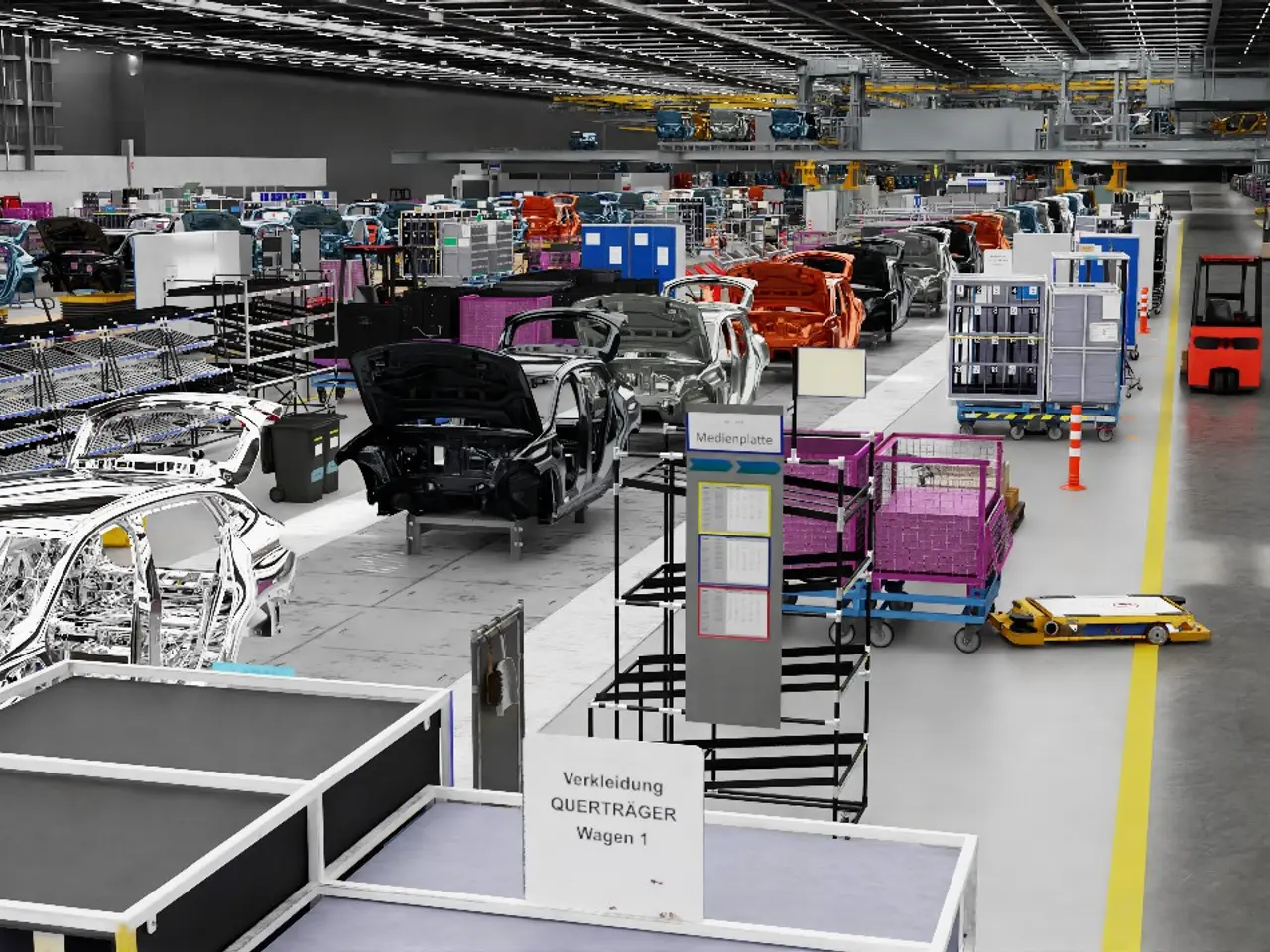
Production of Porsche models in Osnabrück will stop this year, and the VW T-Roc Cabrio will be phased out by mid-2027. Cavallo has ruled out closing the plant but admits the site needs a new direction. She has proposed defense contracts as a solution, pointing to Volkswagen's existing experience in the sector.
Volkswagen's subsidiary MAN already builds military trucks in partnership with Rheinmetall. Cavallo argues that Germany and Europe must reduce reliance on foreign suppliers for defense equipment. She insists, however, that any changes will not come at the expense of workers.
A cost-cutting deal agreed in 2024 includes eliminating 35,000 jobs in Germany by 2030. The plan avoids forced redundancies and plant closures but demands significant concessions from employees. Cavallo has firmly rejected further austerity measures that would hurt the workforce.
The Osnabrück plant's future now hinges on finding new production opportunities. Defense contracts could offer stability, but any transition will depend on negotiations with workers and government support. Volkswagen's next steps will shape both the plant's role and the wider company's strategy in a changing industry.
Read also:
- Federal Funding Supports Increase in Family Medicine Residency Program, Focusing on Rural Health Developments
- Potential Role of DHA in Shielding the Brain from Saturated Fats?
- Alternative Gentle Retinoid: Exploring Bakuchiol Salicylate for Sensitive Skin
- Hanoi initiates a trial program for rabies control, along with efforts to facilitate the transition from the dog and cat meat trade industry.