Germany's 'Deutschlandticket' fills trains in Lower Saxony - Weekend travel surges in Lower Saxony thanks to €49 Deutschlandticket boom
Lower Saxony's public transportation is booming, with weekend demand surging. The €49 Deutschlandticket, introduced nationwide, has drawn 13.5 million customers and boosted local travel by 23.1% since 2019. The Landesnahverkehrsgesellschaft Niedersachsen (LNVG) has played a significant role in this growth.
The LNVG, which operates regional transportation in Lower Saxony, has seen a significant increase in passengers, particularly on weekends. Fridays, Saturdays, and Sundays are now busier than traditional weekdays. This shift is largely attributed to the Deutschlandticket and an expanded timetable. The ticket, which costs €49, has proven popular, with 13.5 million customers using it across Germany.
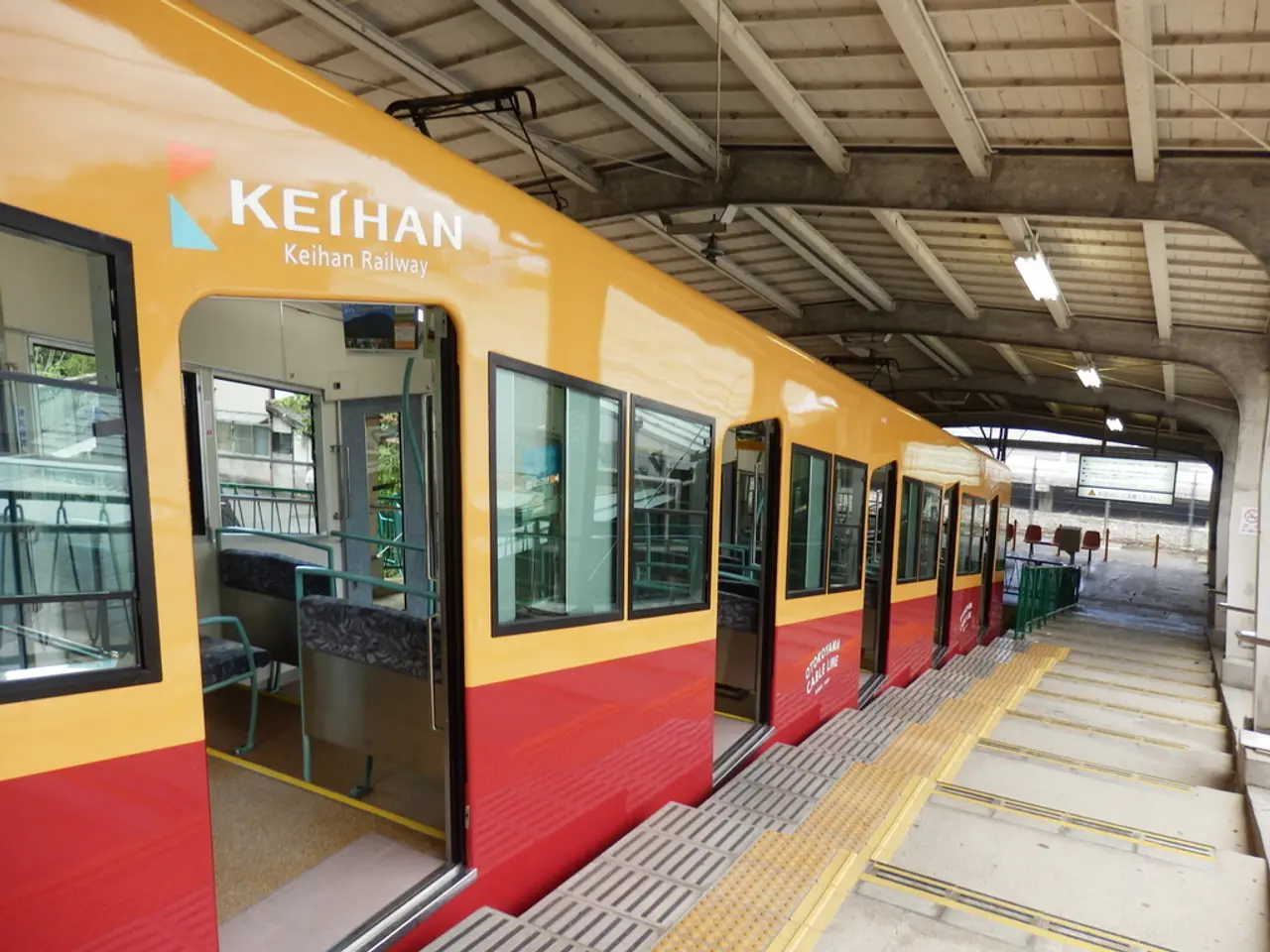
The LNVG network covers much of Lower Saxony, excluding the Hanover and Brunswick regions. To accommodate the increased demand, the LNVG has added new frequent services like the RB 47 between Uelzen and Brunswick. This growth has been so significant that Lower Saxony aims to reactivate additional rail lines to build on the momentum. The federal government has secured the Deutschlandticket's future with funding through 2030.
The €49 Deutschlandticket has transformed public transportation in Lower Saxony, increasing demand by 23.1% since 2019. With weekends now busier than weekdays, the Landesnahverkehrsgesellschaft Niedersachsen (LNVG) has expanded its services, adding new frequent lines. The state aims to reactivate more rail lines, with the Deutschlandticket's future secured until 2030.
Read also:
- American teenagers taking up farming roles previously filled by immigrants, a concept revisited from 1965's labor market shift.
- Weekly affairs in the German Federal Parliament (Bundestag)
- Landslide claims seven lives, injures six individuals while they work to restore a water channel in the northern region of Pakistan
- Escalating conflict in Sudan has prompted the United Nations to announce a critical gender crisis, highlighting the disproportionate impact of the ongoing violence on women and girls.