White House expansion faces backlash over $400M ballroom and underground security hub
Plans for a major expansion of the White House are set to move forward, with a new underground entrance and a controversial ballroom project under review. The National Capital Planning Commission (NCPC) will discuss the proposals on April 2, including a seven-lane security screening area and a 90,000-square-foot ballroom. Both projects have faced delays and rising costs, sparking public debate.
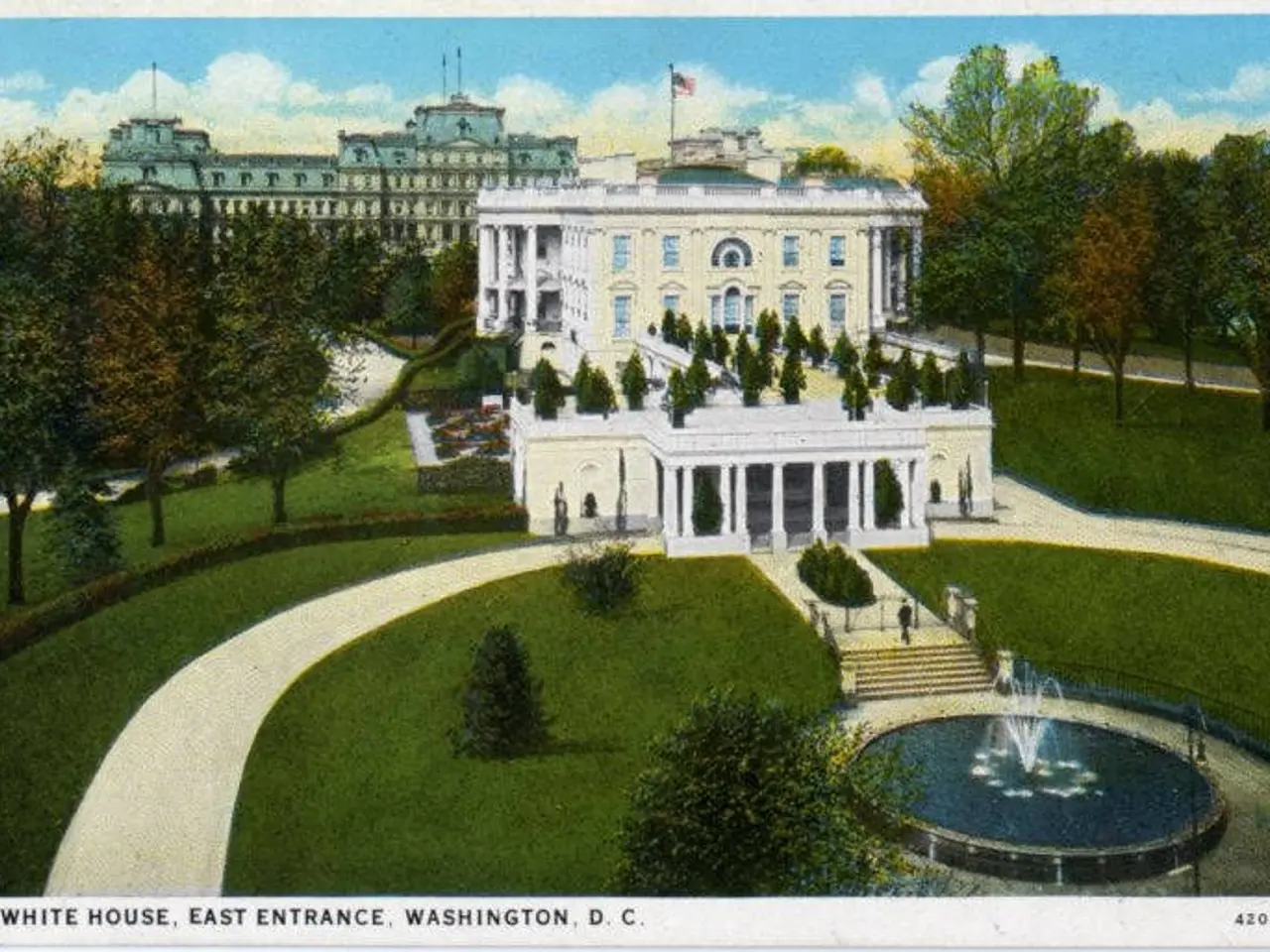
The idea of an underground screening complex near the White House dates back to the aftermath of the September 11, 2001, attacks. Earlier attempts stalled due to funding shortages, but the latest plan includes a sunken 5,000-square-foot plaza to streamline visitor entry. The new entrance would sit beneath a nearby park, replacing the old East Wing, which was demolished to make way for the ballroom.
Construction costs for the ballroom have doubled from $200 million to $400 million since its announcement. The Trump Administration initially budgeted $50 million in July 2023, but rising material costs, labour shortages, and luxury additions—such as gold leafing and high-end audio-visual systems—pushed the price to $100 million for the ballroom alone. Over 32,000 public comments, most opposing the project, led to delays in approval. Site preparations could start as early as August, with the aim of completing the new facility by July 2028. The plans also include preserving the monument to Civil War General William Tecumseh Sherman in its current location. NCPC chairman Will Scharf, who also serves as Trump's staff secretary, will oversee the vote on the ballroom proposal during the April 2 meeting.
If approved, the projects would reshape visitor access to the White House while adding a high-cost event space. The ballroom's final design and funding remain under scrutiny, with public opposition and budget concerns still unresolved. Construction timelines depend on regulatory approvals and ongoing financial assessments.
Read also:
- American teenagers taking up farming roles previously filled by immigrants, a concept revisited from 1965's labor market shift.
- Weekly affairs in the German Federal Parliament (Bundestag)
- Landslide claims seven lives, injures six individuals while they work to restore a water channel in the northern region of Pakistan
- Escalating conflict in Sudan has prompted the United Nations to announce a critical gender crisis, highlighting the disproportionate impact of the ongoing violence on women and girls.