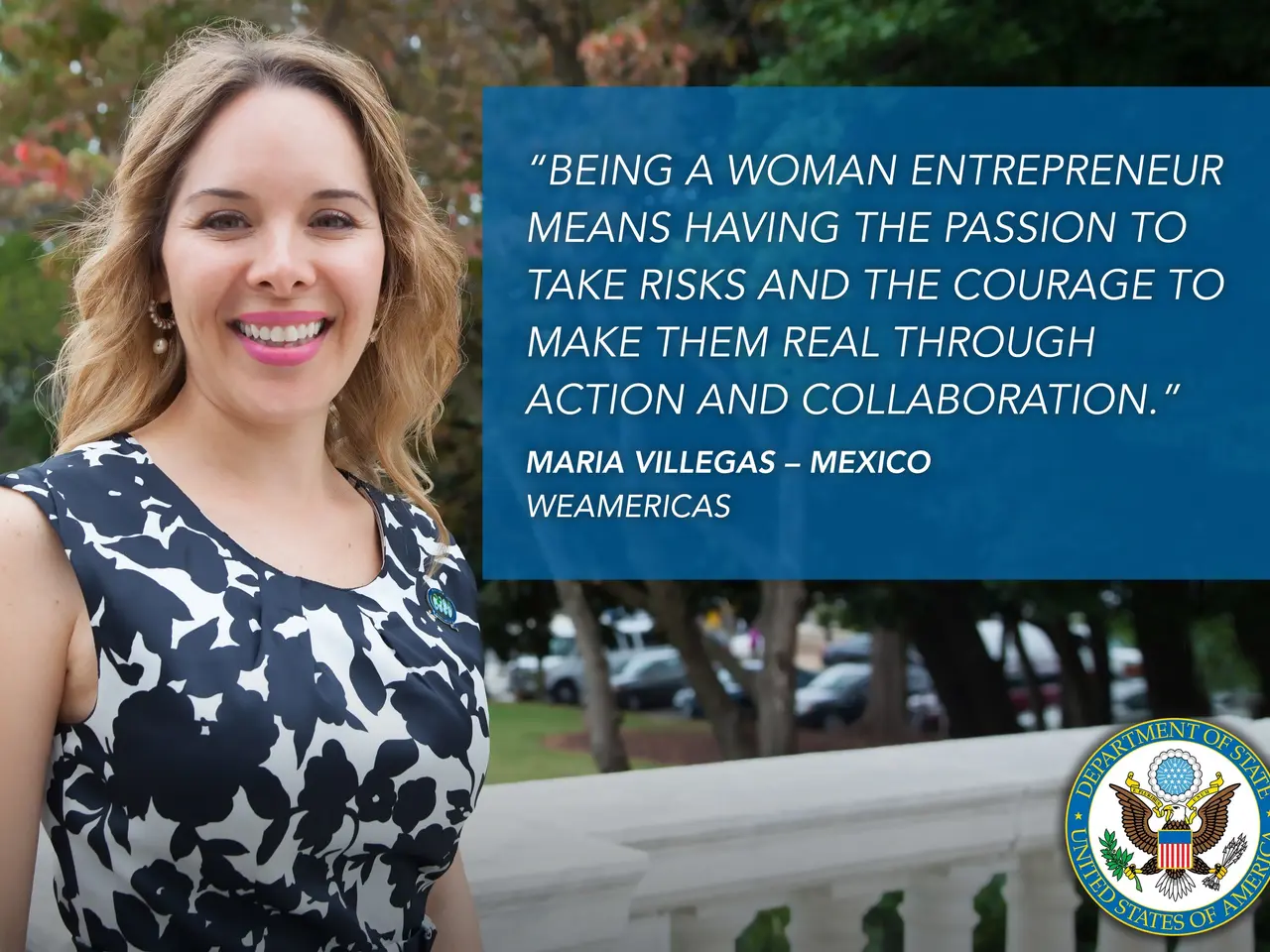
Why More U.S. Women Are Leaving Corporate Jobs to Start Their Own Businesses
Women in the U.S. are turning to entrepreneurship in growing numbers as progress toward leadership roles in traditional workplaces stalls. Despite making up nearly half the workforce, women hold just 31% of leadership positions, a gap that has widened in recent years. Many are now building their own businesses instead, with over 15.7 million women-owned firms now operating across the country.
The shift comes as corporate advancement for women faces persistent hurdles. A 'broken rung' at the first step into management, slower promotions, and limited sponsorship opportunities continue to block pathways to senior roles. These barriers have pushed more women—particularly African American and Asian American women—to launch their own companies. In fact, women from these groups are now more likely than men in the same demographics to start businesses.
Women-owned firms now account for over 40% of all U.S. businesses, a share that has grown meaningfully over the past decade. Yet despite their numbers, these companies generate just 4.6% of total business revenue. Structural challenges play a major role: limited access to capital, concentration in lower-margin industries, caregiving demands, and smaller professional networks all restrict growth potential.
Experts suggest targeted support could help close the gap. Expanding access to flexible funding, offering mentorship and technical training, simplifying certification processes, and investing in entrepreneurship networks may enable more women-owned businesses to scale. These changes could also address the revenue disparity, allowing women-led firms to compete on a more equal footing.
The rise in women's entrepreneurship marks a clear response to stalled corporate progress. With 15.7 million businesses already established, women are creating their own routes to influence and financial independence. However, addressing funding gaps and structural barriers remains critical for these firms to reach their full potential.
Read also:
- Federal Funding Supports Increase in Family Medicine Residency Program, Focusing on Rural Health Developments
- Potential Role of DHA in Shielding the Brain from Saturated Fats?
- Alternative Gentle Retinoid: Exploring Bakuchiol Salicylate for Sensitive Skin
- Hanoi initiates a trial program for rabies control, along with efforts to facilitate the transition from the dog and cat meat trade industry.