Wolf attack in Hamburg sparks urgent debate on wildlife management
A wolf attacked and bit a woman in the face in Hamburg-Altona on Monday evening. The incident has sparked calls for urgent action from wildlife experts and hunting officials across Germany.
The animal was reportedly trying to free another creature trapped behind automatic doors when the attack occurred.
Helmut Dammann-Tamke, president of the German Hunting Association (DJV), demanded drastic measures in response. He argued that wolves must be taught to avoid humans, warning that this could only be achieved through targeted culling of individual animals. Such actions, he claimed, would influence the behaviour of entire packs.
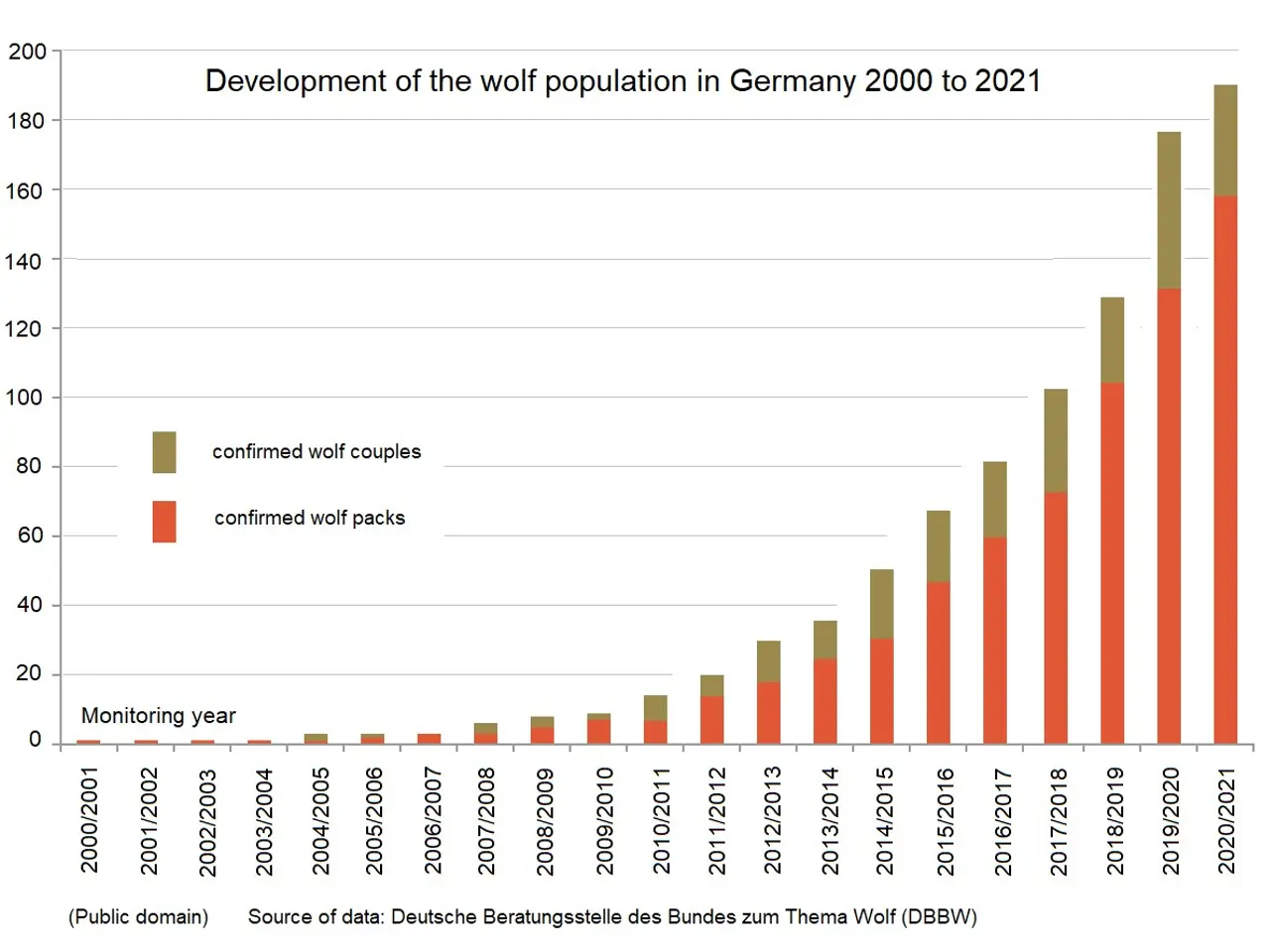
Dammann-Tamke ruled out keeping the wolf in captivity, stating it would violate animal welfare standards. Instead, he proposed two options: euthanising the animal or releasing it with a tracking collar. The final decision, he said, now rests with politicians. This is not the first time a wolf has been killed for approaching humans. In 2016, a wolf named Kurti in Lower Saxony was euthanised after repeatedly nearing walkers with dogs—behaviour considered less aggressive than Monday's attack. Currently, no established wolf populations exist in Hamburg or Schleswig-Holstein. While lone wolves have occasionally been spotted in northern Germany in recent years, they typically disperse from eastern regions and do not form permanent packs in the area.
The incident has reignited debates over wolf management in Germany. Officials aim to balance human safety with wildlife protection, seeking the most conflict-free coexistence between people, wolves, and livestock. The outcome of this case may set a precedent for future handling of similar situations.
Read also:
- American teenagers taking up farming roles previously filled by immigrants, a concept revisited from 1965's labor market shift.
- Weekly affairs in the German Federal Parliament (Bundestag)
- Landslide claims seven lives, injures six individuals while they work to restore a water channel in the northern region of Pakistan
- Escalating conflict in Sudan has prompted the United Nations to announce a critical gender crisis, highlighting the disproportionate impact of the ongoing violence on women and girls.