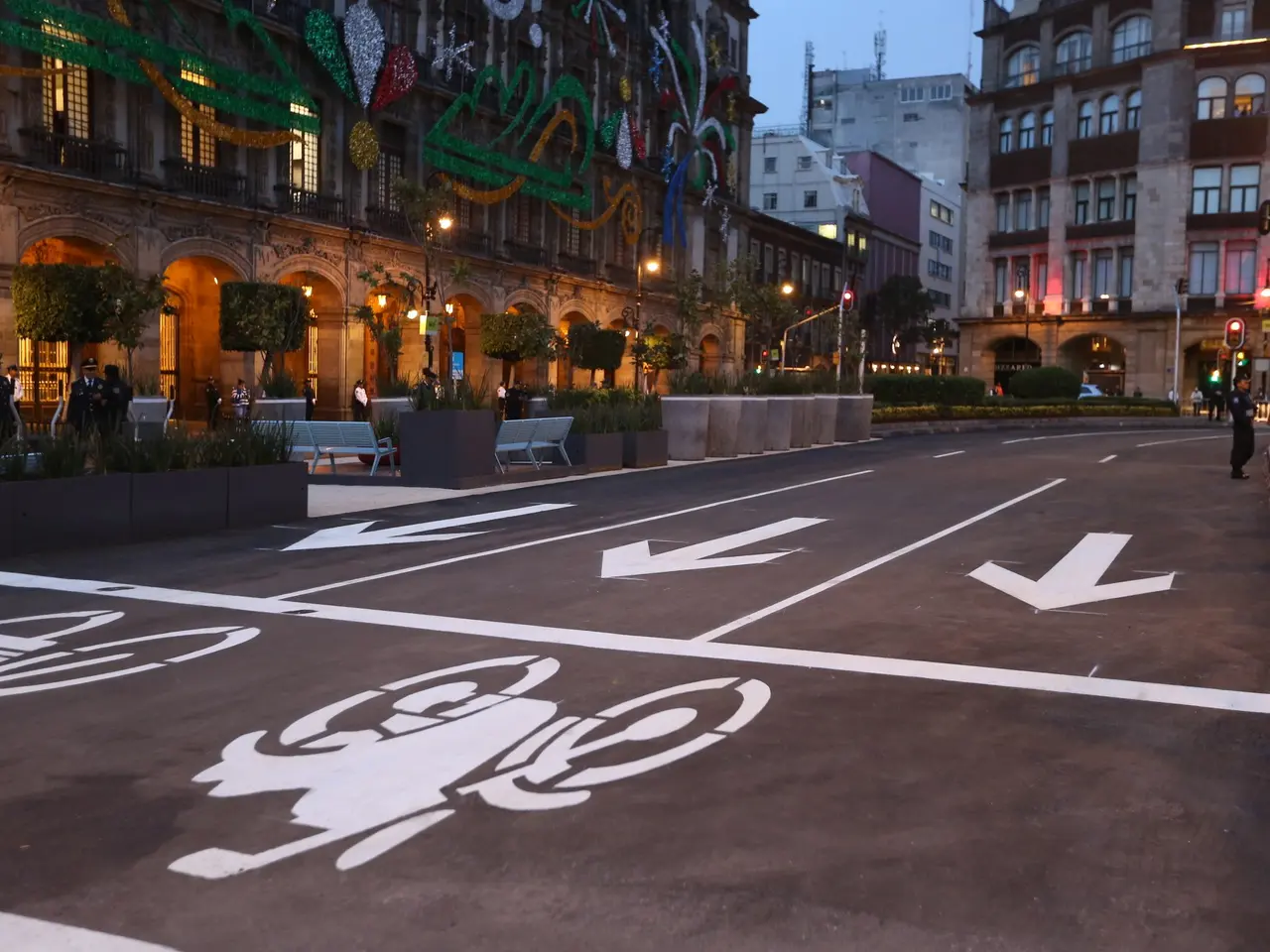
Zorneding halts bike lane plans after fierce local backlash and petition
Zorneding's town council has scrapped plans to install protected bike lanes on Münchner Straße and Wasserburger Landstraße. The decision follows pressure from a local citizens' initiative, which collected over 800 signatures against the proposal. The group has now paused its petition drive after calling the reversal a success.
The original resolution included a blanket parking ban on both main roads to make space for the new cycle paths. However, opposition grew quickly, with residents arguing the changes would disrupt daily life. Stefan Winsel, who launched the initiative, stated that the council's U-turn proved public involvement could shape local decisions.
The citizens' group has made it clear they are still willing to discuss future traffic solutions. Their goal remains finding a balanced approach that supports both cyclists and drivers. For now, though, the bike lane project has been completely abandoned.
No reports suggest this debate has influenced similar traffic schemes in other Bavarian towns. The focus in Zorneding stays on local concerns rather than broader political trends.
With the bike lane plans officially dropped, Zorneding's council will no longer enforce parking restrictions on the two affected streets. The citizens' initiative has achieved its immediate aim but keeps the door open for further talks. Future traffic changes, if any, will now require wider public agreement.
Read also:
- American teenagers taking up farming roles previously filled by immigrants, a concept revisited from 1965's labor market shift.
- Weekly affairs in the German Federal Parliament (Bundestag)
- Landslide claims seven lives, injures six individuals while they work to restore a water channel in the northern region of Pakistan
- Escalating conflict in Sudan has prompted the United Nations to announce a critical gender crisis, highlighting the disproportionate impact of the ongoing violence on women and girls.