Zug Rejects Ban on Digital Devices in Kindergartens and Early Schools
The cantonal parliament of Zug has rejected a proposal to ban digital devices in early education. The Swiss People's Party (SVP) had pushed for restrictions in kindergartens and primary schools, citing concerns over excessive screen time. Lawmakers voted overwhelmingly against the motion, with only 17 in favour and 55 opposed.
The SVP argued that digital devices were harming children's development and learning ability. They proposed a ban covering kindergartens and the first two years of primary school. A second, narrower proposal to restrict devices in kindergartens alone also failed, receiving 25 votes in favour and 49 against.
Education Director Stephan Schleiss (SVP) stressed that the motion was not meant as criticism of teachers. However, critics dismissed the idea as ineffective. Anna Bieri of The Centre called it a 'placebo solution' with no real benefit.
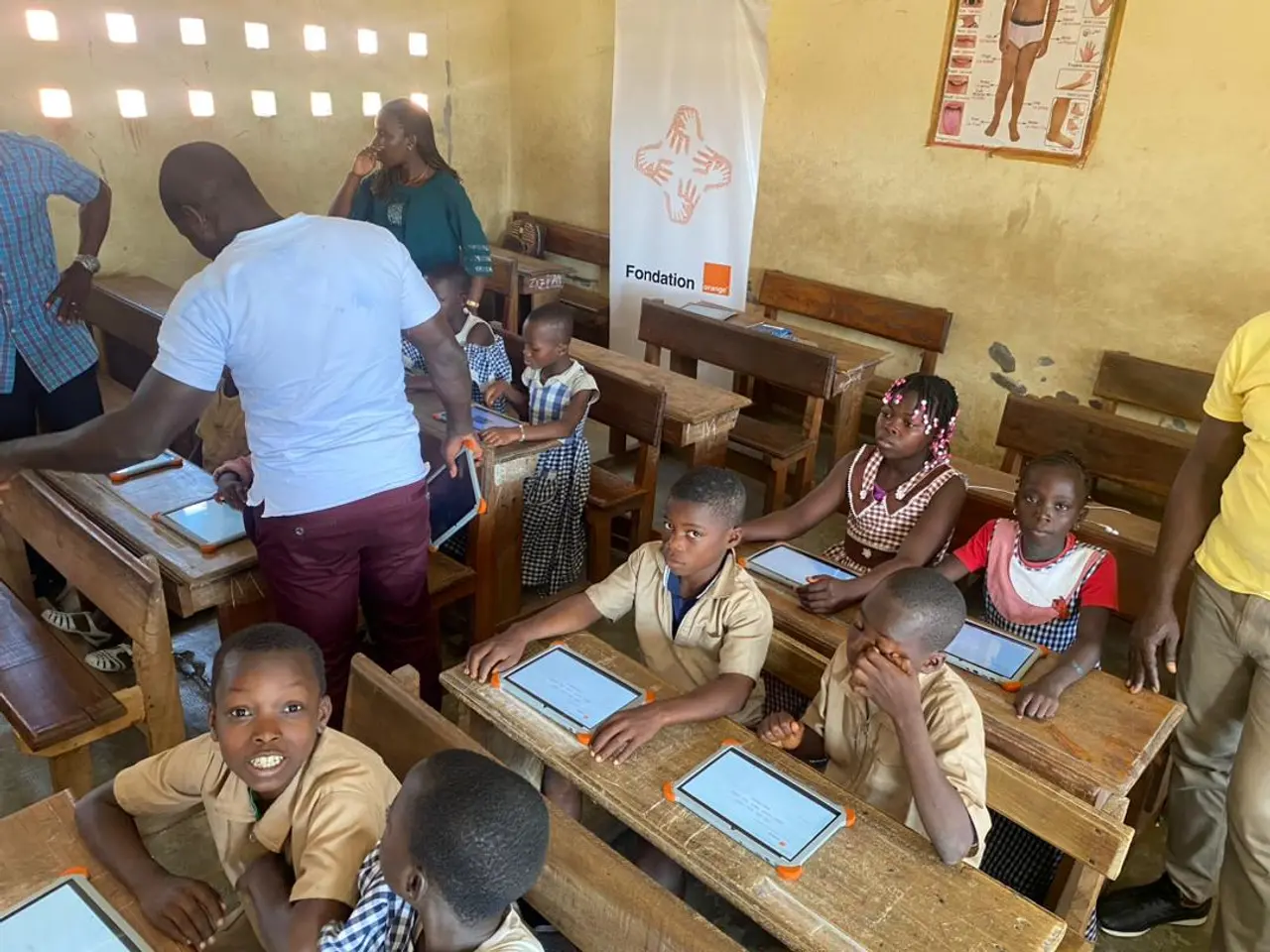
Opponents highlighted the need for balanced approaches. Peter Letter (FDP) warned that a ban could prevent children from developing essential digital skills. Michele Schmid, a primary school teacher from the SP, explained that devices were already used carefully and sparingly in classrooms.
Alternative suggestions focused on education rather than restrictions. Tabea Zimmermann Gibson (Green Liberal Party) proposed investing in parent training to encourage responsible device use at home. Martin Zimmermann also emphasised the role of households in managing children's screen time.
Despite the SVP's concerns, the canton will maintain its current policy. Digital devices will remain permitted in kindergartens and through the end of second grade, with an emphasis on promoting media literacy through both analog and digital methods.
The cantonal parliament's decision means no immediate changes for schools in Zug. Digital devices will continue to be used in early education, though with ongoing discussions about responsible implementation. The debate reflects broader concerns about balancing technology with child development in modern learning environments.
Read also:
- American teenagers taking up farming roles previously filled by immigrants, a concept revisited from 1965's labor market shift.
- Weekly affairs in the German Federal Parliament (Bundestag)
- Landslide claims seven lives, injures six individuals while they work to restore a water channel in the northern region of Pakistan
- Escalating conflict in Sudan has prompted the United Nations to announce a critical gender crisis, highlighting the disproportionate impact of the ongoing violence on women and girls.