Zurich rejects anti-discrimination reforms despite police scandal concerns
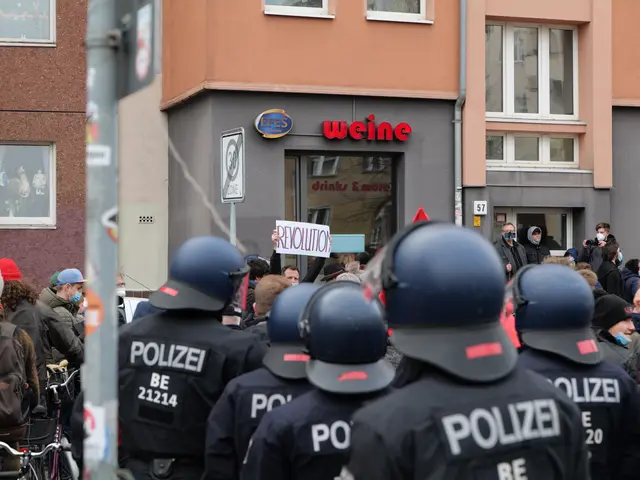
The Zurich Cantonal Council has rejected proposals for new anti-discrimination measures within the police force. The decision follows debates sparked by racist chat groups among officers and the death of a young man in Lausanne. Critics, however, argue that more oversight is still needed.
The rejected measures included anti-discrimination training, a copilot for reporting office, and reforms to address what some called a 'problematic cop culture'. Sabine Arnold of the Greens pushed for these changes, citing unreported cases of misconduct. She warned that without action, public trust could weaken over time.
Most council members defended the police, with some accusing critics of unfair 'police-bashing'. Jacqueline Hofer of the SVP dismissed Lausanne’s case as irrelevant to Zurich, claiming the city’s force did not face similar issues. The cantonal government agreed, stating that public confidence in the police remained high.
Mandy Abou Shoak of the SP urged responsible trust-building, while Mario Senn of the FDP accused left-wing politicians of demonising officers. The left’s proposal ultimately failed, with 117 votes against and only 53 in favour.
As of late 2025, no independent reporting office for discrimination within the police has been established. The government has instead focused on updating data protection laws, leaving the future of such oversight unclear.
The council’s rejection means no immediate changes will be made to police oversight in Zurich. The government maintains that current trust levels justify their position. For now, calls for an independent reporting office remain unanswered.
Read also:
- American teenagers taking up farming roles previously filled by immigrants, a concept revisited from 1965's labor market shift.
- Weekly affairs in the German Federal Parliament (Bundestag)
- Landslide claims seven lives, injures six individuals while they work to restore a water channel in the northern region of Pakistan
- Escalating conflict in Sudan has prompted the United Nations to announce a critical gender crisis, highlighting the disproportionate impact of the ongoing violence on women and girls.