2026 World Cup faces unprecedented security challenges across three nations
The 2026 World Cup will take place across the United States, Canada, and Mexico from June 11th to July 19th. For the first time, three nations will co-host the tournament, with 48 teams competing in 16 cities. Organisers anticipate over five million spectators in stadiums, while billions more will follow the event worldwide. This expanded tournament brings new security challenges. Authorities have flagged risks such as petty crime, cyber threats, and potential violence. Large crowds and high-profile matches could attract opportunistic offenders or lone-actor attacks.
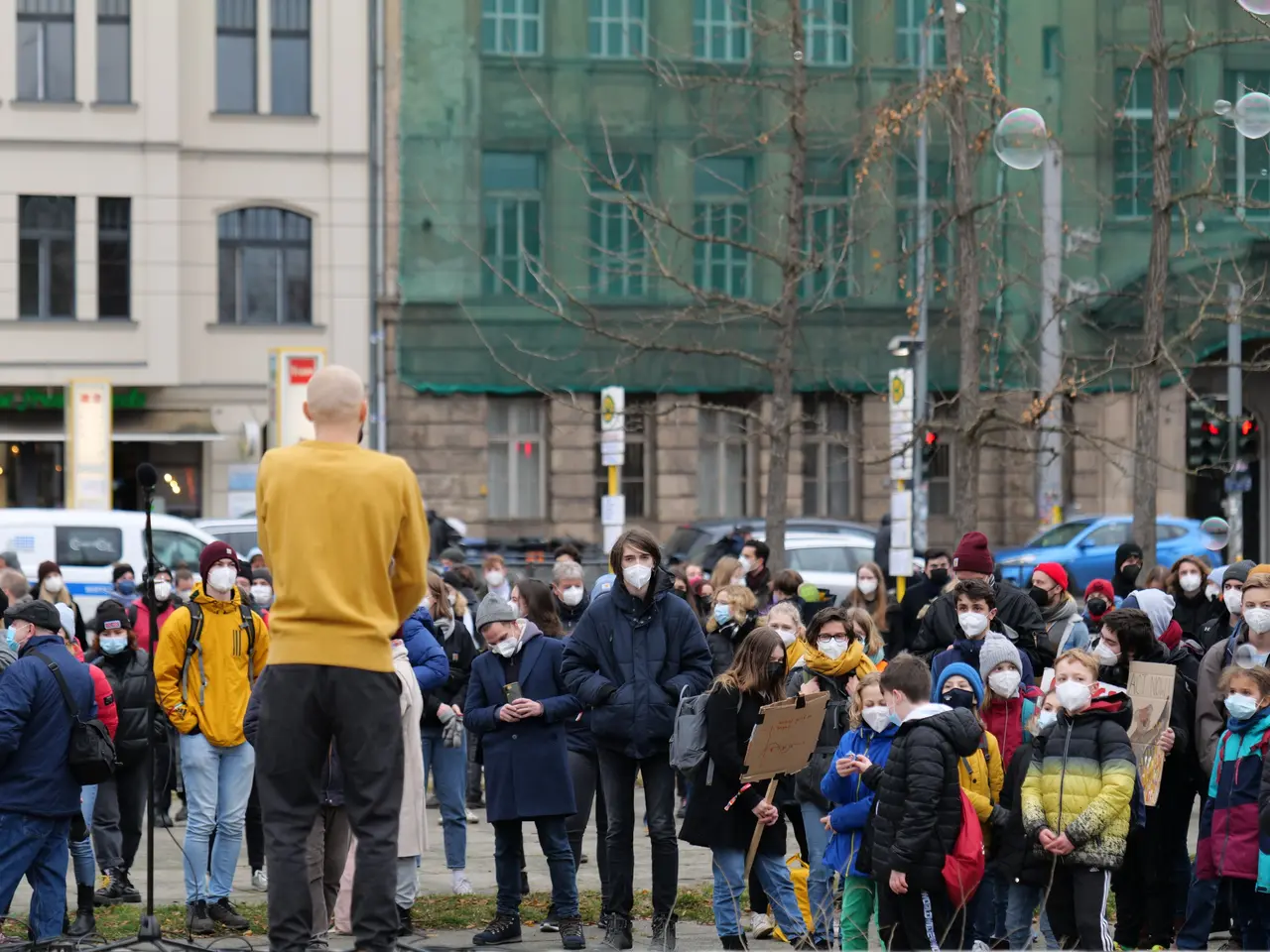
Some fixtures carry extra risk due to historical rivalries and fan group tensions. While no specific terrorist plots have been uncovered, intelligence agencies warn that mass gatherings remain appealing targets. Geopolitical strains—particularly those involving the US, Israel, and Iran—are also expected to shape the security landscape. Protests are likely during the event, with various activist movements planning demonstrations. Overcrowding in transit hubs, fan zones, and stadiums adds another layer of concern. The tournament’s scale, spanning stadiums, transport networks, and digital platforms, demands a coordinated response from all three host nations.
The 2026 World Cup will be the largest in history, drawing unprecedented global attention. Security efforts will focus on mitigating crime, managing protests, and safeguarding infrastructure. With 16 host cities and millions of attendees, the operation will test cross-border coordination over the tournament’s five-week run.
Read also:
- American teenagers taking up farming roles previously filled by immigrants, a concept revisited from 1965's labor market shift.
- Weekly affairs in the German Federal Parliament (Bundestag)
- Landslide claims seven lives, injures six individuals while they work to restore a water channel in the northern region of Pakistan
- Escalating conflict in Sudan has prompted the United Nations to announce a critical gender crisis, highlighting the disproportionate impact of the ongoing violence on women and girls.