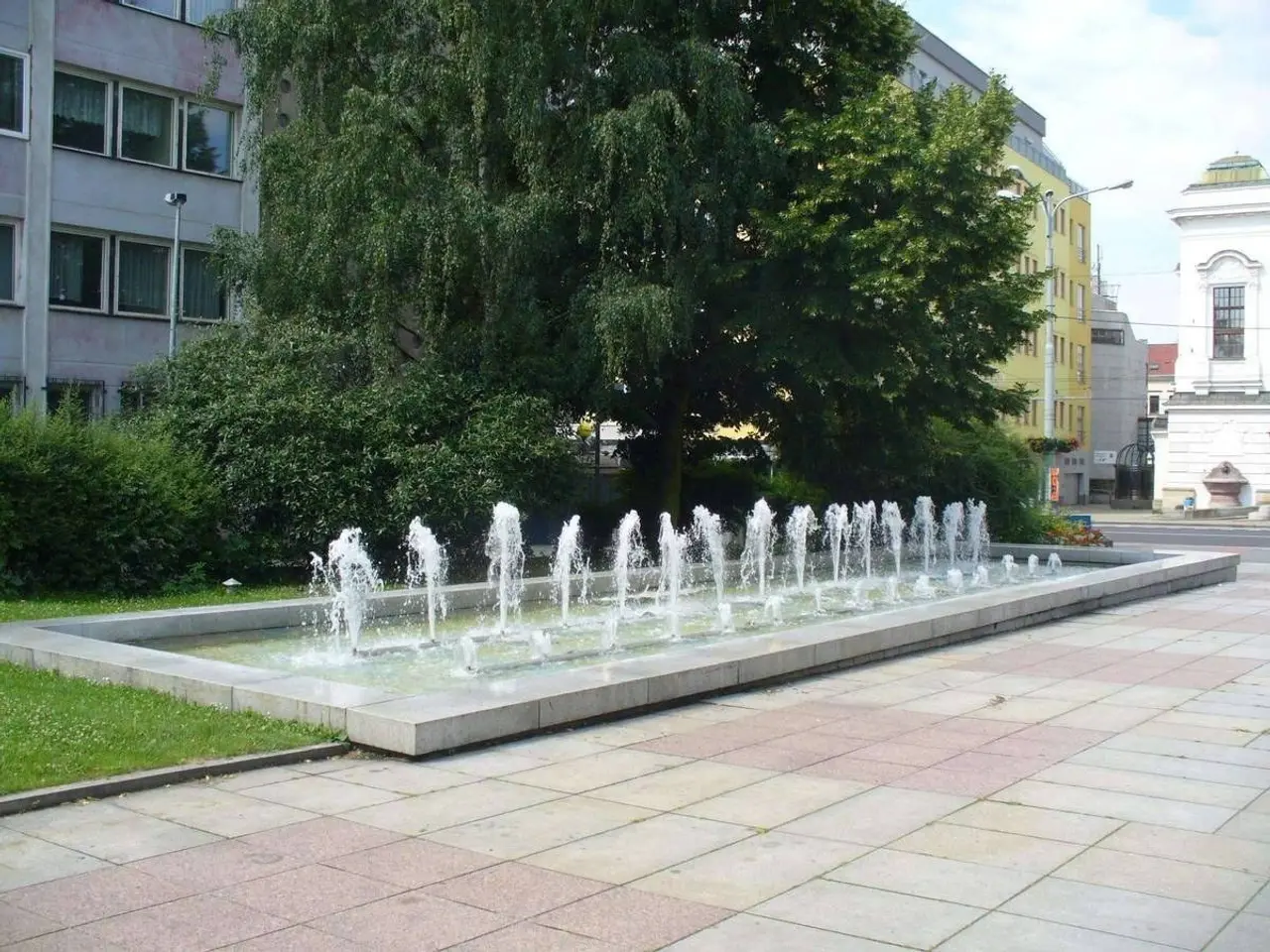
Abandoned Okerstraße fountain may get a sustainable revival
Wolfenbüttel – For years, the fountain on Okerstraße has stood abandoned, its future uncertain. As regionalHeute.de reported just days ago, no concrete plans have yet emerged for the once-active water feature. Now, political leaders are calling on the city administration to finally develop a usage and design concept for the site.
In a motion submitted shortly after the regionalHeute.de report, the SPD council faction has urged the administration to prepare a decision-making framework for the future use of the fountain area on Okerstraße and present it to the relevant political bodies.
Exploring Diverse Usage Options
The proposal calls for an assessment of various potential approaches, including restoring the fountain, developing alternative usage and design concepts, or transforming the space into a climate-resilient green area for public relaxation. The review should also examine opportunities for greening, creating shaded areas, and enhancing the site's quality as a gathering place. The findings—along with a comparative analysis of investment and ongoing costs, as well as an urban planning evaluation of each option—will then be submitted to the political committees for a final decision.
The SPD emphasizes that the focus should extend beyond mere technical restoration, instead adopting a strategic perspective on sustainable, forward-looking urban development. At a time when city centers face profound structural changes, systematically evaluating and actively shaping available spaces is crucial. The goal, they argue, is to create a solution that is not only functional but also delivers tangible benefits for the city and its residents.
Considerations for the usage and design concept should also incorporate factors such as climate change and cost-effectiveness.
Decision Expected in May
The motion will first go before the Committee for Construction, Urban Development, and the Environment on May 5 for a recommendation. The Administrative Committee will then make a final decision on May 11.
Read also:
- American teenagers taking up farming roles previously filled by immigrants, a concept revisited from 1965's labor market shift.
- Weekly affairs in the German Federal Parliament (Bundestag)
- Landslide claims seven lives, injures six individuals while they work to restore a water channel in the northern region of Pakistan
- Escalating conflict in Sudan has prompted the United Nations to announce a critical gender crisis, highlighting the disproportionate impact of the ongoing violence on women and girls.