Alcoy's Moros y Cristianos Festival Sparks Debate on Tradition vs. Inclusion
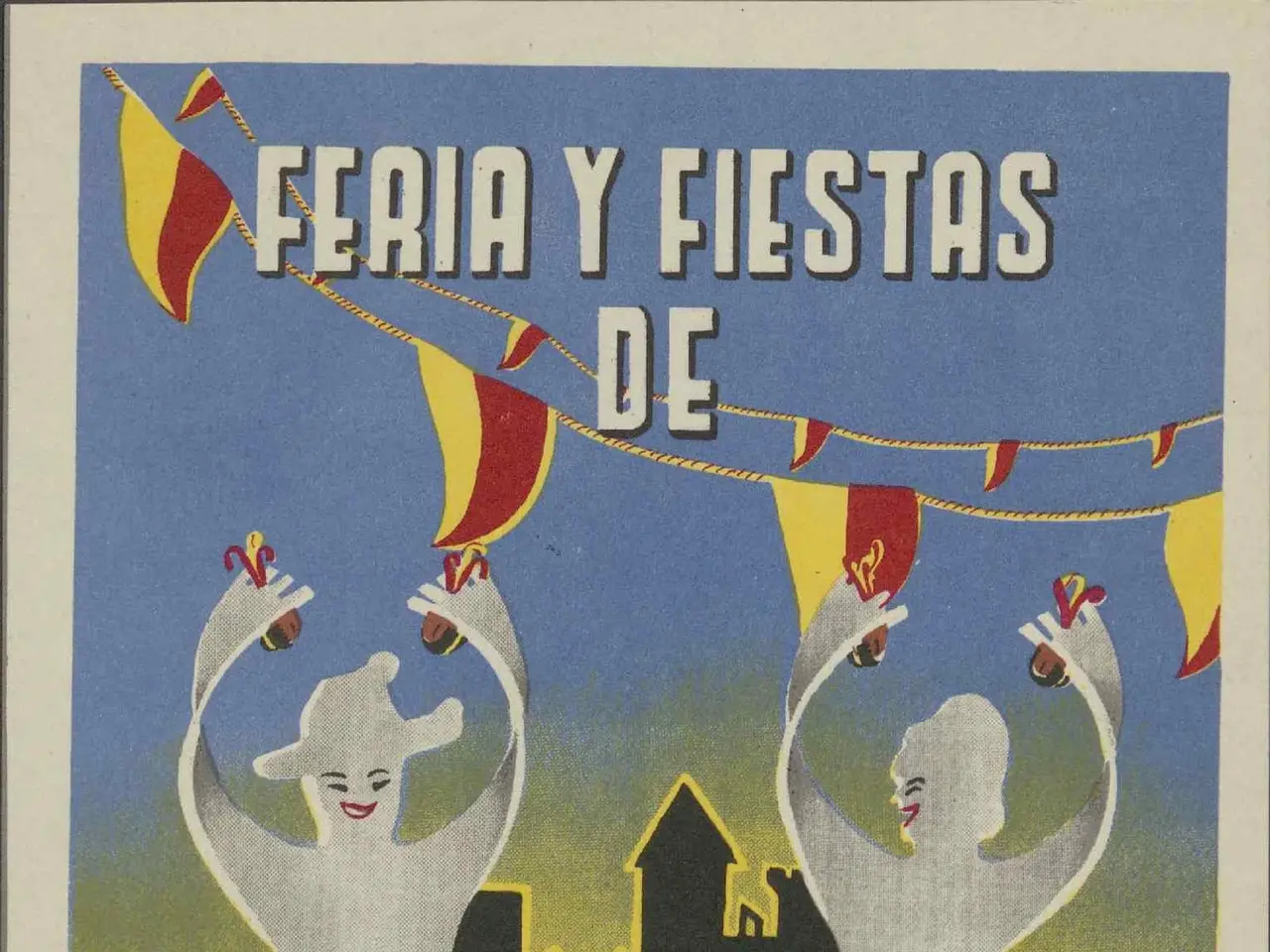
The annual Moros y Cristianos festival in Alcoy, Spain, has once again sparked debate over its historical and cultural significance. The centuries-old event reenacts the Christian reconquest of Muslim-ruled Iberia, complete with mock battles and elaborate costumes. While organisers maintain the festival is purely cultural, its imagery has become entangled in modern political and social discussions.
Every year, residents of Alcoy spend thousands on intricate outfits to take part in the festival’s staged clashes between Christian and Muslim armies. The event is deeply rooted in tradition, with participation often passed down through families via filès—exclusive social clubs that limit membership. This structure has effectively kept many Muslims from joining, despite around 12% of the town’s population being foreign-born, with Moroccans forming the largest group.
The festival’s symbolism has drawn criticism from some Muslim residents. Fatima Toutouh, a local, feels the event does not represent her or her history, while Rau Maissae has expressed a desire to take part. Others, like Hassana Bichiri, hold mixed views, recognising the festival’s historical weight but also seeing it as a reminder of past conflicts. The use of blackface-style makeup by some participants portraying Muslim characters has added to the controversy. Beyond local debates, the festival’s themes have been adopted by political groups. Spain’s far-right Vox party has referenced the Reconquista in its messaging, framing it as a symbol of national identity against immigration. Even small gestures, such as covering a statue of Saint George killing the Moors with flowers during celebrations, highlight efforts to avoid offending Muslim residents.
The Moros y Cristianos festival remains a deeply traditional event in Alcoy, but its historical reenactments now intersect with modern discussions on identity and inclusion. Organisers continue to stress its cultural rather than political nature, yet the festival’s imagery and exclusions keep it at the centre of broader national conversations. For many Muslim residents, the event serves as both a reminder of history and a barrier to full participation in local traditions.
Read also:
- American teenagers taking up farming roles previously filled by immigrants, a concept revisited from 1965's labor market shift.
- Weekly affairs in the German Federal Parliament (Bundestag)
- Landslide claims seven lives, injures six individuals while they work to restore a water channel in the northern region of Pakistan
- Escalating conflict in Sudan has prompted the United Nations to announce a critical gender crisis, highlighting the disproportionate impact of the ongoing violence on women and girls.