Interview with Uwe Hiksch on NOlympia
Berlin's NOlympia movement fights to block future Olympic bids
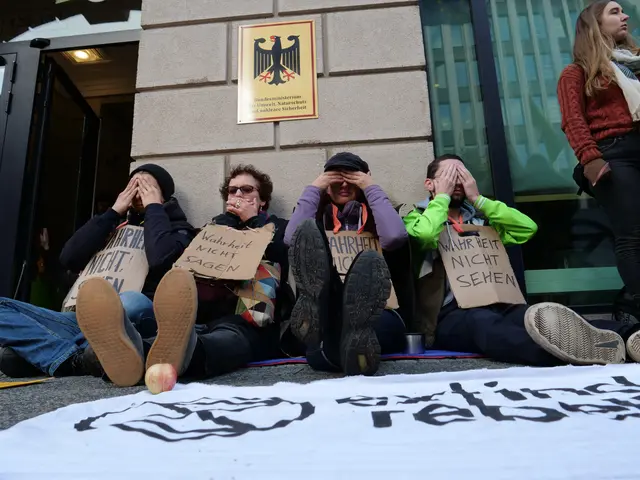
Uwe Hiksch, a member of Naturfreunde Berlin and part of the NOlympia Berlin coalition, discusses the movement against Berlin's bid for the Olympic Games.
Critique of Olympic Games
The interview begins with Hiksch being asked if his involvement in various anti-establishment movements, including anti-atomic energy and anti-TTIP, constitutes a general anti-position. Hiksch clarifies that his actions are driven by a positive agenda: supporting regenerative energies and a just global trade.
Hiksch explains that his opposition to the Olympic Games stems from a fundamental philosophy about how cities and society should function. He emphasizes that the focus should be on sustainable development rather than large-scale events.
What is NOlympia?
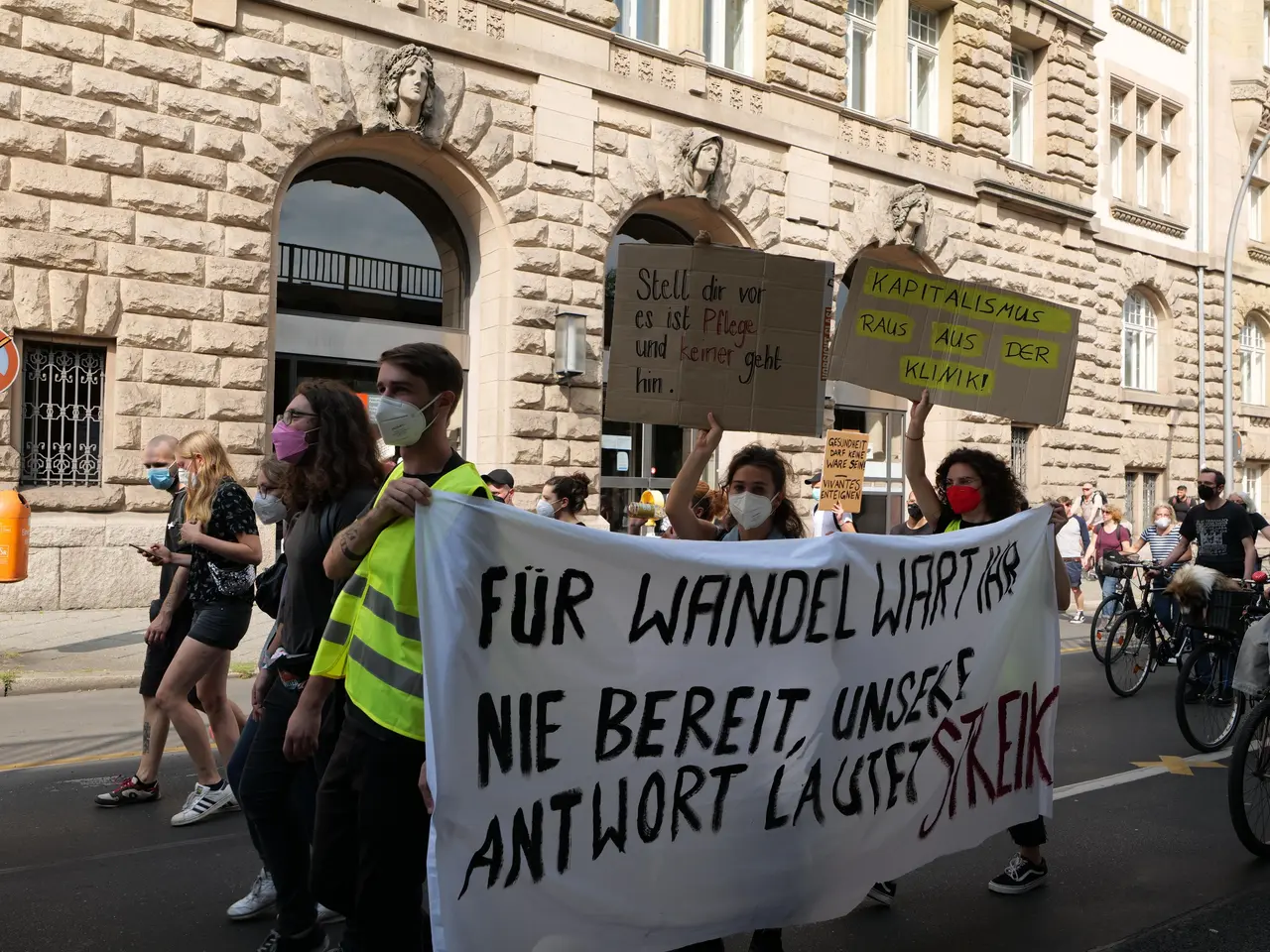
The NOlympia alliance, comprising environmental associations, tenant initiatives, and city-for-all initiatives, aims to prevent Berlin from bidding for the Olympic Games in 2036, 2040, and 2044. They argue that the city should focus on sustainable development rather than transforming itself for large events.
Sustainability and Olympic Games
Hiksch disputes the IOC's portrayal of the Games as sustainable, calling it "greenwashing." He points out that new large sports facilities would need to be built, resulting in significant CO2 emissions.
While the city claims that 90% of the sports venues for Olympia already exist, Hiksch argues that many do not meet IOC standards, necessitating costly upgrades.
Impact on Berlin
Hiksch estimates that the cost of the Games could range from 6 to 16 billion euros, citing past instances where costs were significantly exceeded. He also notes that funds that could be allocated to grassroots sports, social housing, or public transportation would instead be spent on the Olympics.
Personal Perspective on Sports
Hiksch shares his personal disinterest in major sporting events like the Olympics, emphasizing his background in promoting sports for all rather than elite sports.
Conclusion
The interview concludes with Hiksch expressing confidence in the NOlympia movement's ability to succeed, backed by significant public support and key political endorsements. The movement aims to collect 20,000 signatures in the first phase of their petition, with the goal of ultimately holding a city-wide referendum.
Read also:
- American teenagers taking up farming roles previously filled by immigrants, a concept revisited from 1965's labor market shift.
- Weekly affairs in the German Federal Parliament (Bundestag)
- Landslide claims seven lives, injures six individuals while they work to restore a water channel in the northern region of Pakistan
- Escalating conflict in Sudan has prompted the United Nations to announce a critical gender crisis, highlighting the disproportionate impact of the ongoing violence on women and girls.