Condor's €400M Debt Race: Can New Alliances Save the Airline?
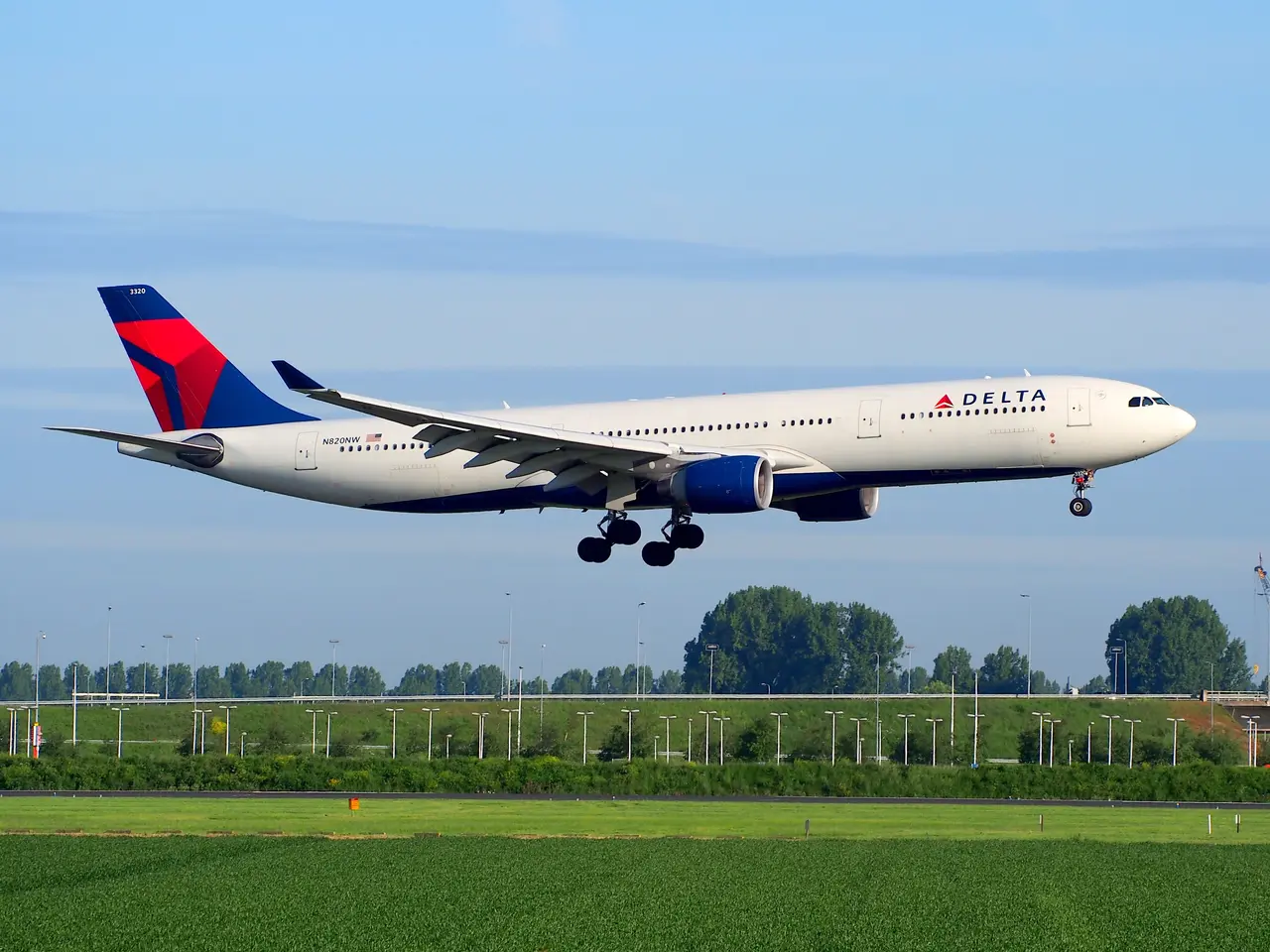
Condor is in the midst of a radical reinvention. Gone is the traditional holiday airline model—now it's transforming into a kind of network carrier, complete with its own feeder flights, partnerships in the Gulf, and talks of joining an alliance. But where is all this leading—and, more importantly, can Condor afford it?
We take a closer look at how Condor evolved from a Lufthansa subsidiary through the Thomas Cook collapse and multiple government bailouts to become a semi-state-owned airline under the financial investor Attestor. And why its new CEO, Peter Gerber—a former Lufthansa top executive—is steering the company on a course that some industry insiders fear could mirror the downfall of Air Berlin.
Also in the picture: sister airline Marabu, the looming deadline for repaying some €400 million in state loans by year's end, the failed Emirates partnership in Berlin, and the fresh codeshare agreement with Etihad. Plus: Who might step in as a new investor—and would former parent company Lufthansa even still be interested?
A behind-the-scenes look at a German airline that's going all-in on a high-stakes gamble.
Read also:
- American teenagers taking up farming roles previously filled by immigrants, a concept revisited from 1965's labor market shift.
- Weekly affairs in the German Federal Parliament (Bundestag)
- Landslide claims seven lives, injures six individuals while they work to restore a water channel in the northern region of Pakistan
- Escalating conflict in Sudan has prompted the United Nations to announce a critical gender crisis, highlighting the disproportionate impact of the ongoing violence on women and girls.