Cruise Industry Surges Ahead as Aida Defies Global Uncertainty
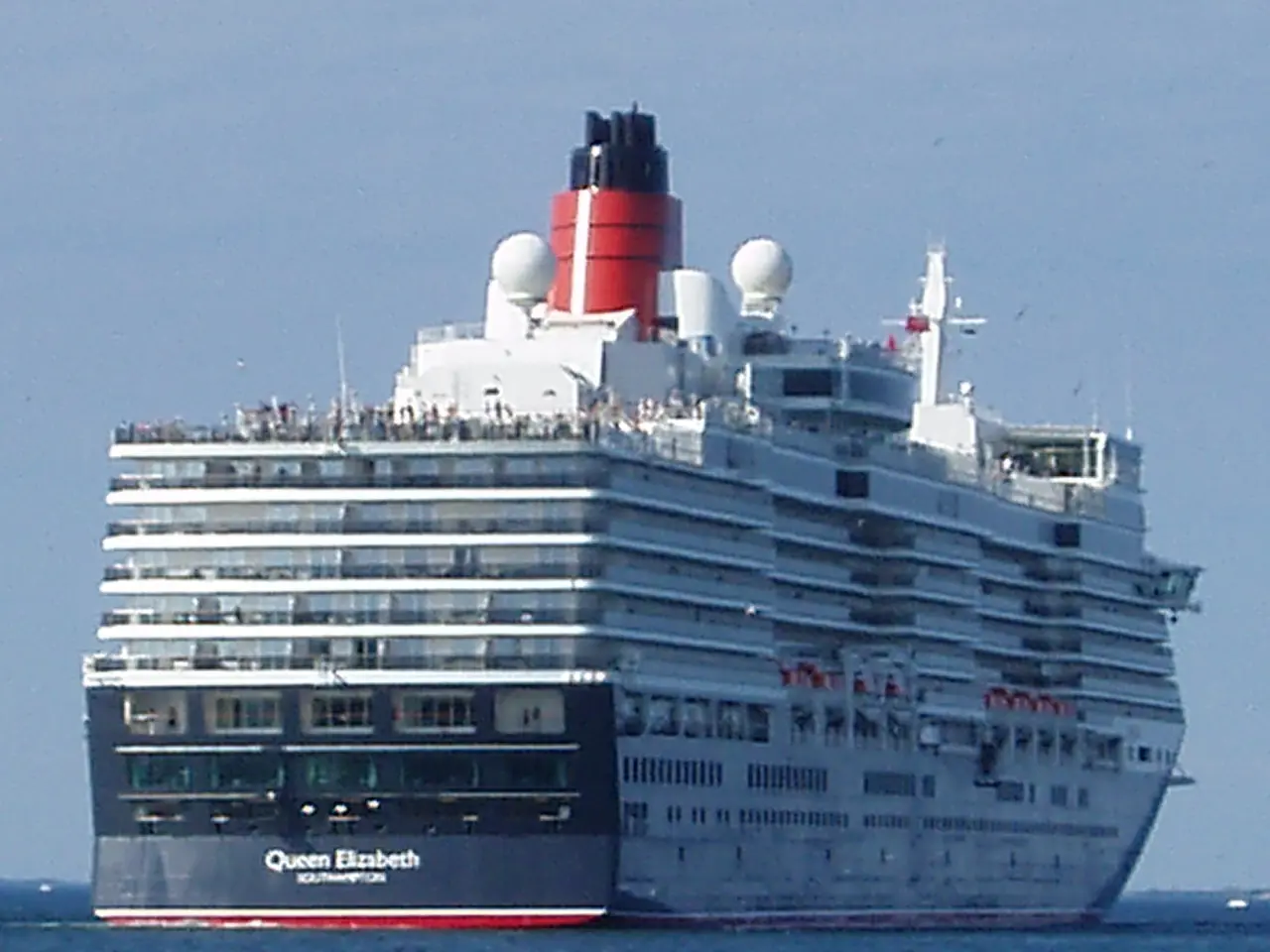
The cruise industry is bouncing back faster than land-based tourism, now serving 30 per cent more passengers than in 2019. German cruise demand has surged, with over three million passengers recorded recently. Aida Cruises, the country’s top operator, remains optimistic despite global uncertainties. Aida Cruises has seen strong growth and expects to welcome over four million guests annually soon. The company’s CEO, Felix Eichhorn, predicts that 2026 will be even stronger than 2025. Bookings remain steady, with no signs of a slowdown despite tensions in the Middle East.
Unlike some competitors, Aida has avoided hedging against fuel price swings. Such contracts can become costly if prices fall unexpectedly. Fuel also makes up a smaller portion of the company’s expenses compared to airlines. Despite rising costs, Aida has ruled out adding extra fuel fees after passengers book their trips. The broader cruise sector is thriving, with passenger numbers well above pre-pandemic levels. This rebound outpaces traditional tourism, highlighting the industry’s resilience and growing appeal.
Aida Cruises continues to expand, with no plans to introduce post-booking fuel charges. The company’s confidence reflects wider trends, as German cruise demand climbs and the sector outperforms land-based travel. Strong bookings and rising passenger numbers suggest further growth ahead.
Read also:
- Federal Funding Supports Increase in Family Medicine Residency Program, Focusing on Rural Health Developments
- Potential Role of DHA in Shielding the Brain from Saturated Fats?
- Alternative Gentle Retinoid: Exploring Bakuchiol Salicylate for Sensitive Skin
- Hanoi initiates a trial program for rabies control, along with efforts to facilitate the transition from the dog and cat meat trade industry.