Edeka's bold bid to save 200 Tegut stores and 4,500 jobs
Edeka CEO Markus Mosa has pledged to retain all employees in the event of a Tegut takeover, emphasizing that the company aims to "continue operating all stores, including those at economically challenging locations" and take on every worker currently employed there. In an interview with Focus, Mosa stressed that this was a personal priority for him and for Edeka, particularly in light of Migros' planned complete withdrawal from Germany and the broader economic climate. "Every job we can preserve is a win," he said.
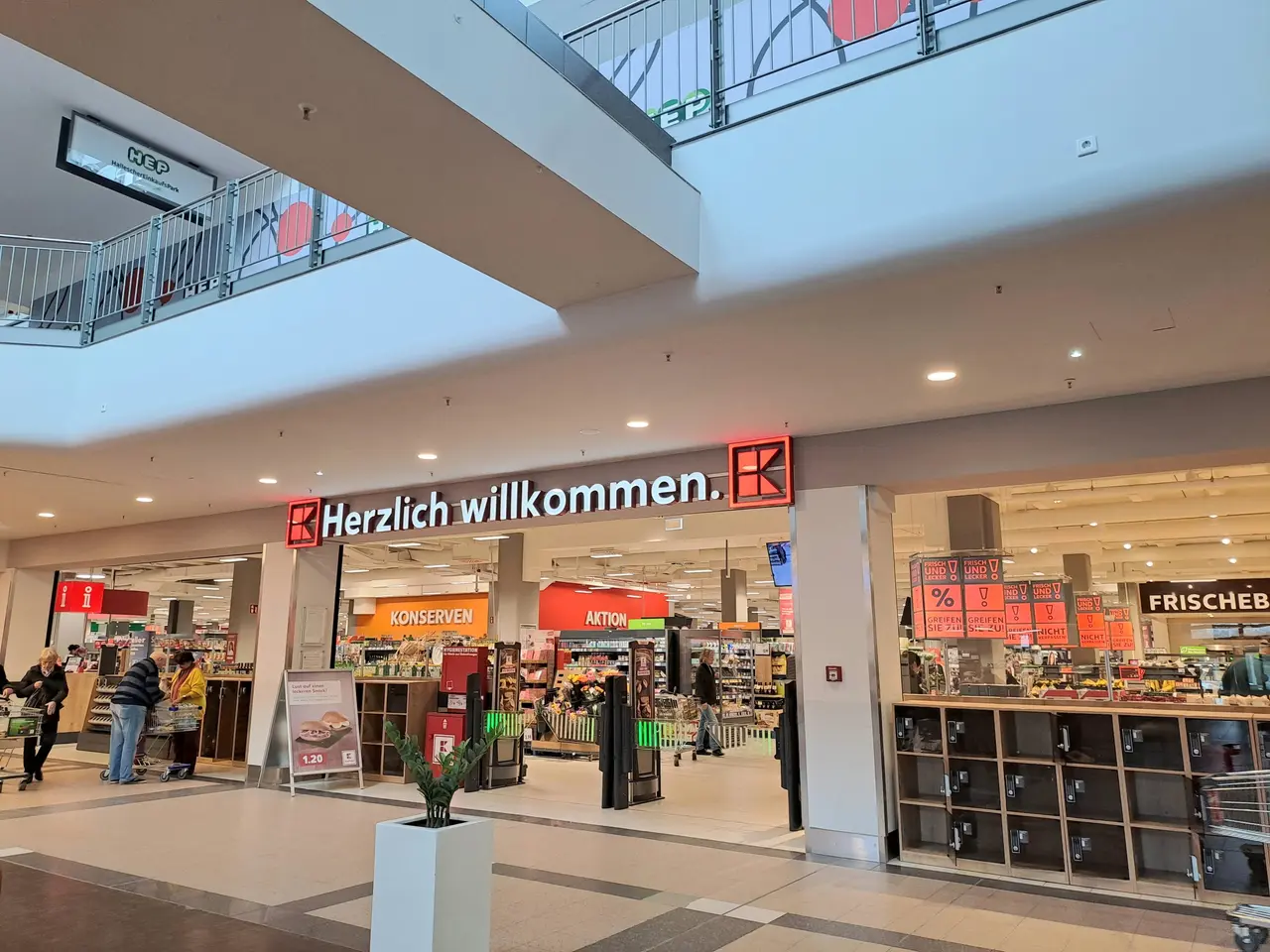
Edeka intends to acquire 200 stores from the Tegut supermarket chain following Migros' exit, though the deal still requires approval from Germany's Federal Cartel Office.
Mosa asserted that the acquisition would provide "a clear future for Tegut stores and their employees in the affected regions." The company plans to restore financial stability to the locations, safeguard around 4,500 jobs, and ensure continued local grocery supply for communities.
Critics argue that Edeka's further expansion would intensify market concentration in retail and drive up consumer prices—a claim Mosa firmly rejected. He pointed out that food prices in Germany remain low by EU standards, while product quality and variety are exceptionally high. "This isn't just the subjective impression of any customer who shops abroad," he said, "but is objectively documented and recognized by the Federal Cartel Office." Mosa added that Edeka had demonstrated to the authority, using real data, that the company had not profited from food inflation.
In the same context, Mosa criticized global brand suppliers, holding them responsible for rising consumer prices. He cited the price trends of major brands between 2023 and today as an example. "Take Nestlé chocolate products: their average price increase over this period is around 40 percent higher than that of our own brands," he said. "So we have to ask: Who really holds the market power?"
The Edeka chief urged the Cartel Office to expedite its decision on the Tegut acquisition. He expressed confidence that the authority understands the deal's significance for the future of Tegut's employees, suppliers, and ultimately local consumers. While acknowledging the need for thorough review, Mosa warned that the alternative to an Edeka takeover would be stark: store closures and thousands of job losses. His hope, he said, is for swift clarity from Bonn—both for Tegut workers and for customers who want to keep shopping there.
Read also:
- Federal Funding Supports Increase in Family Medicine Residency Program, Focusing on Rural Health Developments
- Potential Role of DHA in Shielding the Brain from Saturated Fats?
- Alternative Gentle Retinoid: Exploring Bakuchiol Salicylate for Sensitive Skin
- Hanoi initiates a trial program for rabies control, along with efforts to facilitate the transition from the dog and cat meat trade industry.