Estonian schools face backlash over earlier final exam schedule changes
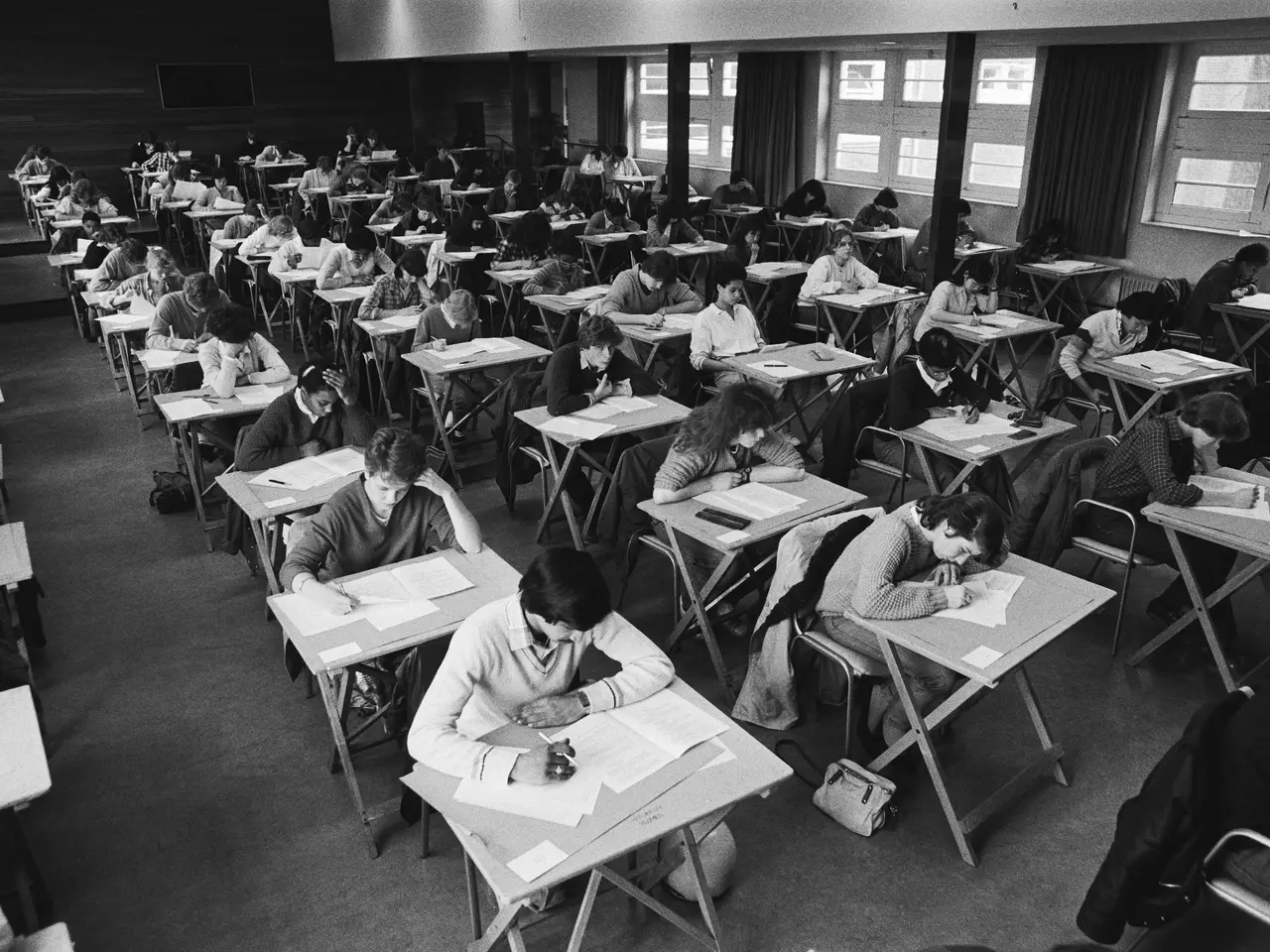
Estonian ninth graders now take their final basic school exams before the end of the academic year instead of afterward. The change, introduced by the Ministry of Education, aims to streamline graduation and high school admissions. However, educators and unions have raised concerns about the impact on students and teachers. The Ministry of Education adjusted the exam schedule to ensure all graduates receive diplomas in time for high school and vocational school applications. Officials argue the previous system caused delays and unequal opportunities for students.
Teachers and school leaders, however, say the shift has disrupted the usual school routine. The Estonian Association of Teachers (EÖL) claims students now have fewer days to complete required coursework, increasing stress. Chair Margit Timakov also criticised the heavy focus on testing throughout the year.
The Estonian Education Personnel Union (EHL) has called for exams to return to their original timing—after regular classes end. Meanwhile, the Estonian Association of School Principals (EKJÜ) suggests a compromise: moving exams slightly later to allow schools to finish coursework first.
Some pilot e-exams have added to the concerns. Reports indicate discrepancies between practice tests and actual exams, leading to lower scores and heightened anxiety among students. The ministry admits the rollout has been inconsistent but notes the old system also had flaws. The new exam schedule remains in place for now, despite pushback from educators. Schools must adapt to the earlier testing period while ensuring students complete their studies on time. The ministry continues to monitor the situation, balancing the need for timely graduations with concerns over workload and stress.
Read also:
- American teenagers taking up farming roles previously filled by immigrants, a concept revisited from 1965's labor market shift.
- Weekly affairs in the German Federal Parliament (Bundestag)
- Landslide claims seven lives, injures six individuals while they work to restore a water channel in the northern region of Pakistan
- Escalating conflict in Sudan has prompted the United Nations to announce a critical gender crisis, highlighting the disproportionate impact of the ongoing violence on women and girls.