EU summit exposes deep divisions as Ukraine aid and unity face critical tests
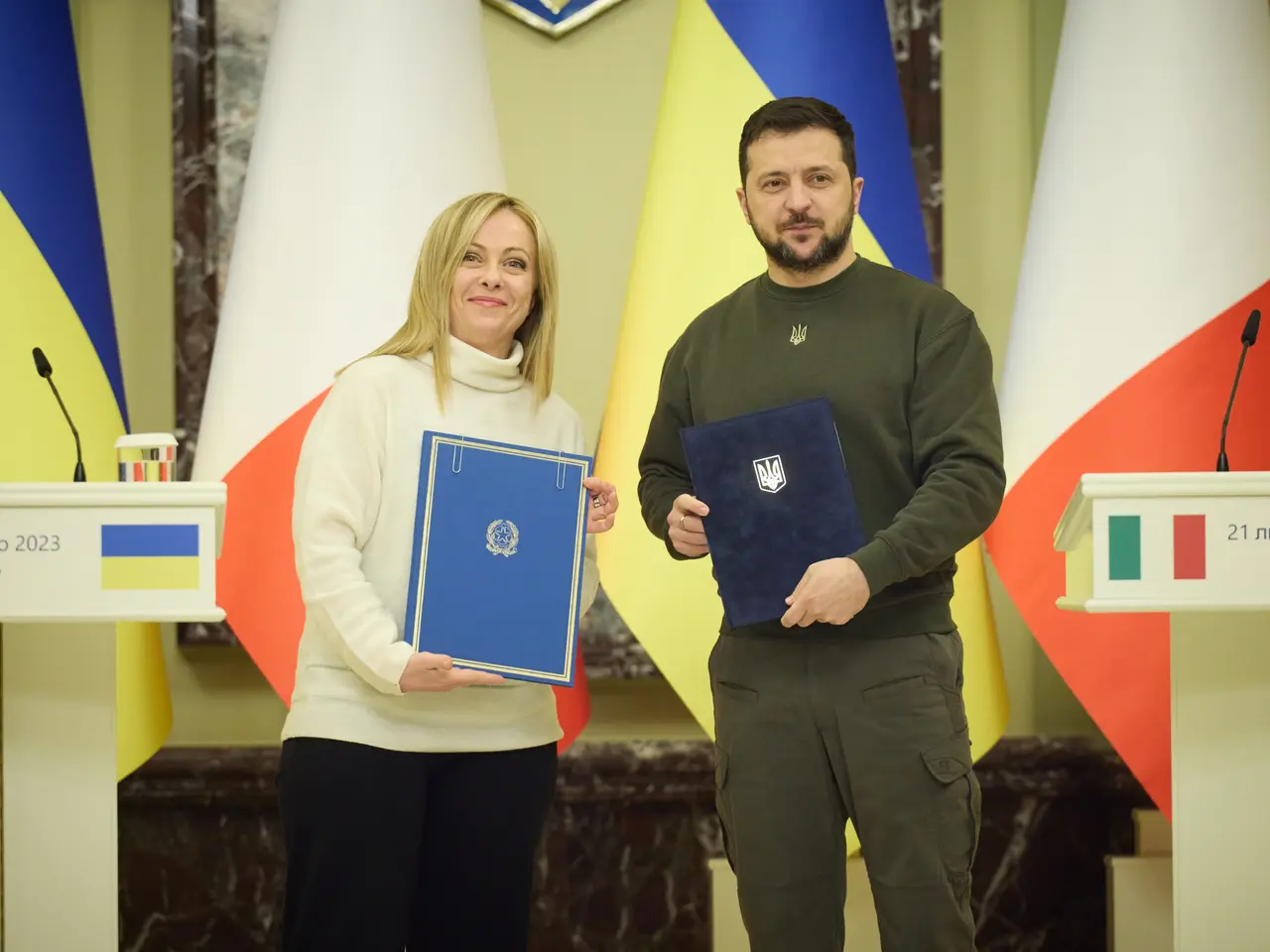
EU Summit Focuses on Billions in Aid for Ukraine—and the Bloc's Ability to Act
The latest EU summit centers on billions in financial support for Ukraine—and, more fundamentally, on whether the Union can still make decisive moves. In Austria's ZiB2 news program, Emil Brix, the longtime director of the Diplomatic Academy and former Austrian ambassador to Moscow, shared his perspective on the challenges ahead.
Brix expressed little surprise that Hungarian Prime Minister Viktor Orbán skipped the summit. "He certainly won't be missed," he remarked. But he cautioned against viewing Orbán as an isolated case. Following upcoming elections, several EU member states—such as Slovenia or Bulgaria—could see the rise of new, EU-skeptical governments. He also pointed to the Czech Republic and Slovakia as countries where pro-Russian and Eurosceptic sentiments occasionally surface.
The Power of Unanimity
The real power in the EU now clearly lies with the European Council, Brix emphasized. "Even the smallest member can become a problem," he said, referring to the unanimity rule on key decisions. This system allows any single state to block resolutions—and it is being exploited for political leverage.
Calls to abolish the unanimity principle were firmly rejected by Brix. "I would consider that a major mistake." Shifting to majority voting, he warned, could endanger the EU's cohesion. States that find themselves outvoted might deepen their resistance—or even contemplate leaving the bloc.
Ukraine's EU Bid and the Union's Geopolitical Role
On Ukraine, Brix noted that the country remains far from membership when compared to the progress of Western Balkan nations. Still, EU accession could eventually become part of a future security framework after the war—though without a fixed timeline. "Not NATO, but the EU" will play a key role in this process, he suggested.
Brix took a critical view of the Union's global influence, citing the divergent interests of its 27 member states as a brake on swift action. The war in Ukraine, the energy crisis, and the conflict in Iran should serve as wake-up calls—but he argued that politicians have yet to fully seize the moment.
Read also:
- American teenagers taking up farming roles previously filled by immigrants, a concept revisited from 1965's labor market shift.
- Weekly affairs in the German Federal Parliament (Bundestag)
- Landslide claims seven lives, injures six individuals while they work to restore a water channel in the northern region of Pakistan
- Escalating conflict in Sudan has prompted the United Nations to announce a critical gender crisis, highlighting the disproportionate impact of the ongoing violence on women and girls.