German leaders face fierce backlash at DGB congress over labor reforms
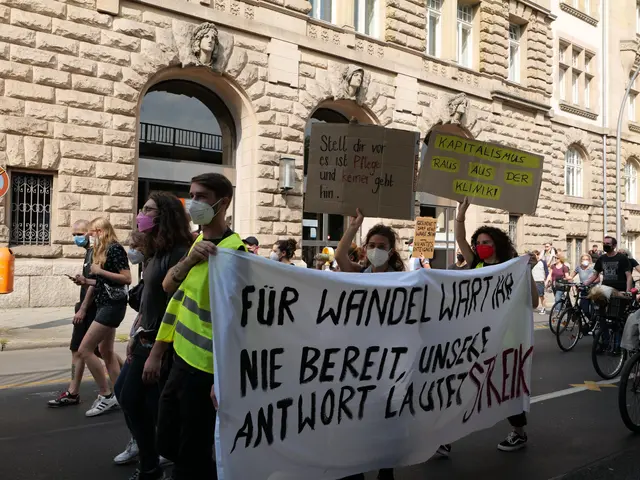
Tensions flared at this year’s DGB congress as Chancellor Friedrich Merz and Labour Minister Bärbel Bas faced open hostility over proposed reforms. Both leaders were met with heckling and silence while outlining controversial plans for working hours, pensions, and public spending. The clash highlighted deep divisions between the government and trade unions.
Chancellor Merz took the stage first, only to be greeted by jeers and interruptions. He defended calls to relax the eight-hour workday, arguing that flexibility was needed in tough economic times. But his insistence on 'belt-tightening'—with cuts largely affecting employees—drew immediate backlash from union delegates.
Merz also walked back a pledge made by former Chancellor Olaf Scholz on energy and living cost relief. He warned that social security contributions must not rise above 50%, pushing instead for further pension and long-term care reforms. His remarks on pensions, in particular, sparked further criticism. Labour Minister Bas fared no better. When she proposed easing the eight-hour workday, the hall fell into stony silence, with many attendees refusing to applaud. While she acknowledged the SPD’s traditional stance on working hours, she pointed to the coalition agreement as justification for the change. Elsewhere, Finance Minister Lars Klingbeil (SPD) called for tax relief for those earning between €2,500 and €4,000 a month. Meanwhile, CDU/CSU parliamentary leader Jens Spahn proposed slashing all subsidies and tax breaks by 5% across the board.
The DGB congress ended with no resolution, leaving a clear divide between the government’s cost-cutting agenda and union demands. Merz and Bas now face pressure to reconsider their proposals, while workers brace for potential changes to wages, pensions, and working conditions.
Read also:
- American teenagers taking up farming roles previously filled by immigrants, a concept revisited from 1965's labor market shift.
- Weekly affairs in the German Federal Parliament (Bundestag)
- Landslide claims seven lives, injures six individuals while they work to restore a water channel in the northern region of Pakistan
- Escalating conflict in Sudan has prompted the United Nations to announce a critical gender crisis, highlighting the disproportionate impact of the ongoing violence on women and girls.