German union leader warns SPD of 'self-destruction' over social cuts
Frank Werneke, leader of Germany’s second-largest union Verdi, has issued a stark warning to the Social Democratic Party (SPD). He cautioned that backing social cutbacks could push the party toward 'self-destruction'. His remarks come ahead of the DGB congress, where opposition to austerity measures is set to take centre stage. Werneke criticised both employers’ groups and the conservative Union bloc for pushing social cuts and weakening workers’ rights. He urged the SPD to stand firm against these pressures, particularly on pension reforms. Any move to cap pension levels or raise the retirement age, he argued, would spark major political backlash.
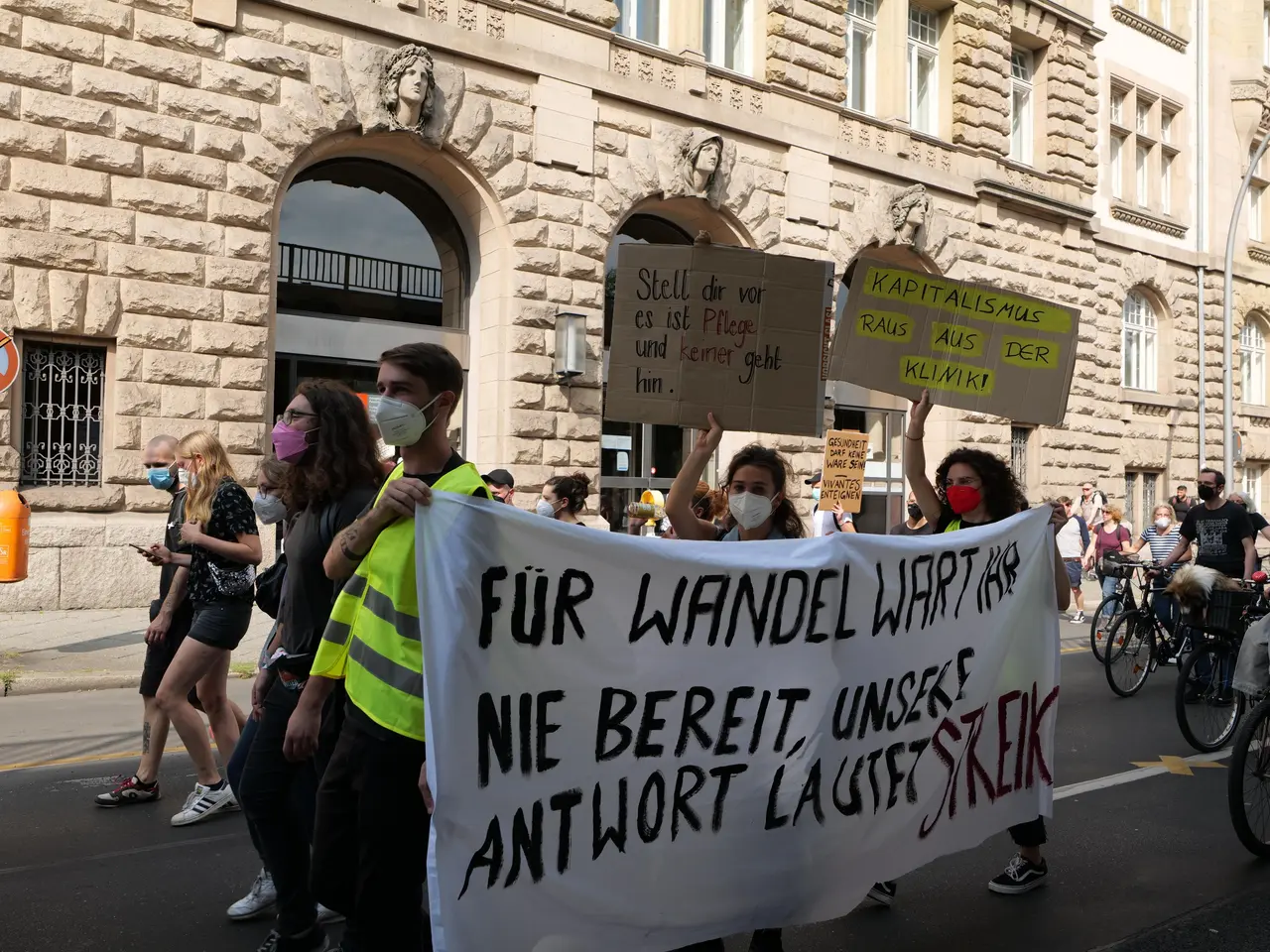
His comments follow a surge in participation at this year’s May Day protests, which saw far higher turnout than in previous years. Verdi now plans to escalate actions in the coming weeks, targeting healthcare reforms that unions view as harmful to workers. The DGB congress, Werneke stressed, will send a clear message against austerity. Should the SPD support pension cuts, he warned, the party risks alienating its core supporters and triggering widespread protests.
The union leader’s warnings highlight growing tensions over social policy in Germany. With Verdi preparing further demonstrations, the SPD faces mounting pressure to reject cuts. The outcome of the pension reform debate could shape both political alliances and public unrest in the months ahead.
Read also:
- American teenagers taking up farming roles previously filled by immigrants, a concept revisited from 1965's labor market shift.
- Weekly affairs in the German Federal Parliament (Bundestag)
- Landslide claims seven lives, injures six individuals while they work to restore a water channel in the northern region of Pakistan
- Escalating conflict in Sudan has prompted the United Nations to announce a critical gender crisis, highlighting the disproportionate impact of the ongoing violence on women and girls.