Germany's Climate Reform Sparks Backlash Over 2045 Neutrality Risks
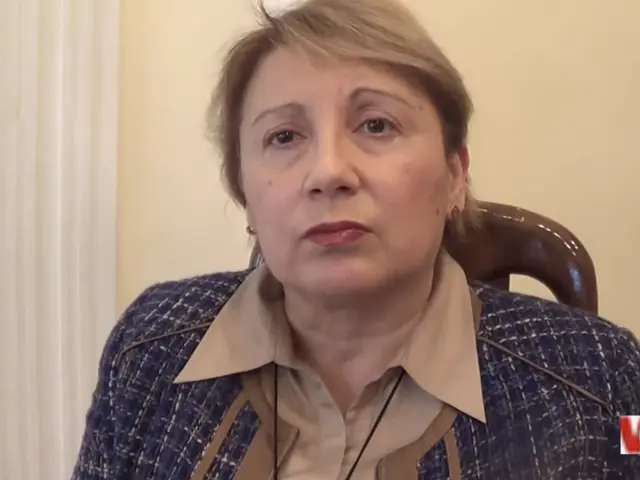
Criticism has mounted over the government’s latest climate reform plans. Michael Banaszak, a prominent voice on environmental policy, has warned that the draft law threatens Germany’s 2045 climate neutrality target. He claims the proposals will extend fossil fuel reliance and create long-term economic and environmental problems. Banaszak argued that the absence of a fossil fuel ban after 2045 lies at the heart of the issue. Without this measure, he believes the law will fail to meet climate obligations and instead lock the country into new dependencies on imported oil and gas.
The proposals, according to Banaszak, will also generate chaos in heat planning and infrastructure development. He accused the coalition of abandoning Germany’s ambition to lead in green technology, leaving oil and gas corporations as the main beneficiaries of the changes. Despite the government’s insistence that the reforms align with climate goals, Banaszak countered that the draft law will raise ancillary costs and undermine progress. He went further, stating that if even a single Social Democrat (SPD) member votes in favour, the party’s credibility on climate issues would suffer lasting damage.
The draft law now faces sharp opposition from environmental advocates and policymakers. Banaszak’s warnings highlight concerns over rising costs, fossil fuel dependence, and the risk of missing the 2045 neutrality deadline. The debate is set to intensify as the legislation moves forward.
Read also:
- American teenagers taking up farming roles previously filled by immigrants, a concept revisited from 1965's labor market shift.
- Weekly affairs in the German Federal Parliament (Bundestag)
- Landslide claims seven lives, injures six individuals while they work to restore a water channel in the northern region of Pakistan
- Escalating conflict in Sudan has prompted the United Nations to announce a critical gender crisis, highlighting the disproportionate impact of the ongoing violence on women and girls.