DGB North warns of job cuts due to Reich's energy transition plans - Germany's Renewable Energy Law Sparks Job Fears and Gridlock Warnings
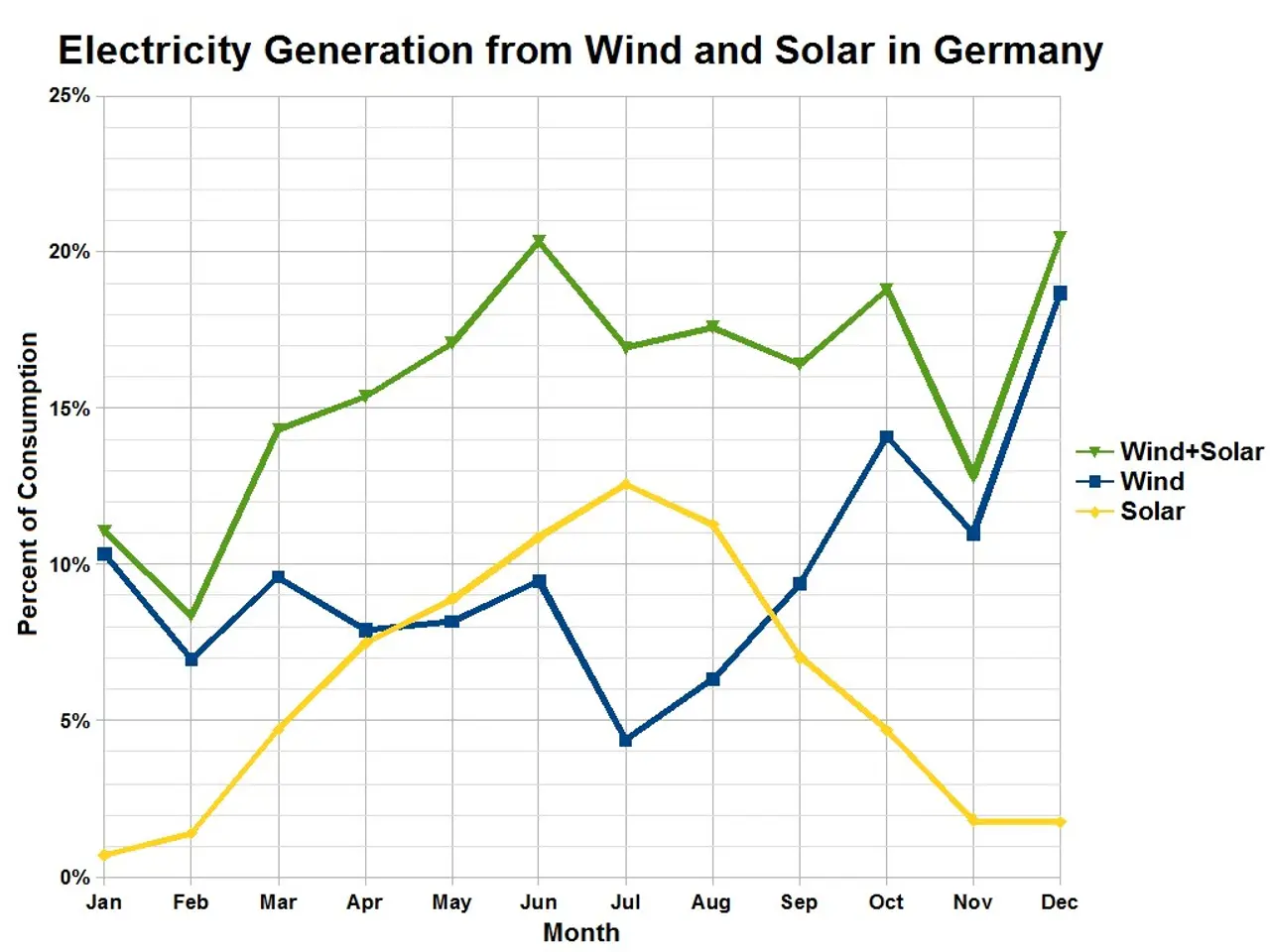
A new draft law aimed at synchronising renewable energy expansion with grid capacity is facing sharp criticism. The German Trade Union Confederation (DGB) North warns that the proposal could threaten jobs and slow down green energy growth. Laura Pooth, chair of DGB North, compared the approach to past policies that harmed the sector a decade ago. The ministry’s draft law seeks to adjust how operators are compensated for curtailing wind and solar plants in congested areas. Under the plan, regions with severe grid bottlenecks may be labelled 'capacity-limited'. This change is intended to cut costs by aligning new renewable projects with grid expansion. But critics argue the move creates uncertainty for investors and developers.
Currently, grid upgrades lag behind the rapid installation of wind and solar farms. As a result, operators frequently shut down plants to avoid overloading the system. The draft law aims to address this imbalance, but DGB North claims it lacks clear planning and investment security. Grid operators have already begun scaling back expansion plans due to the new uncertainty. This slowdown could block further wind and solar projects, delaying progress. Laura Pooth warned that the policy risks repeating mistakes from former Minister Peter Altmaier’s era, when tens of thousands of jobs in the solar and wind industries were lost. The union also cautioned that the law might keep expensive gas-fired power plants running longer than needed. Without stable growth in renewables, the transition to cleaner energy could stall, increasing costs for consumers and businesses.
The draft law’s focus on cost control and grid synchronisation has raised concerns about its broader impact. If implemented, it could reduce investment in renewables, prolong reliance on fossil fuels, and jeopardise jobs. The government now faces pressure to revise the proposal to ensure both grid stability and continued growth in green energy.
Read also:
- American teenagers taking up farming roles previously filled by immigrants, a concept revisited from 1965's labor market shift.
- Weekly affairs in the German Federal Parliament (Bundestag)
- Landslide claims seven lives, injures six individuals while they work to restore a water channel in the northern region of Pakistan
- Escalating conflict in Sudan has prompted the United Nations to announce a critical gender crisis, highlighting the disproportionate impact of the ongoing violence on women and girls.