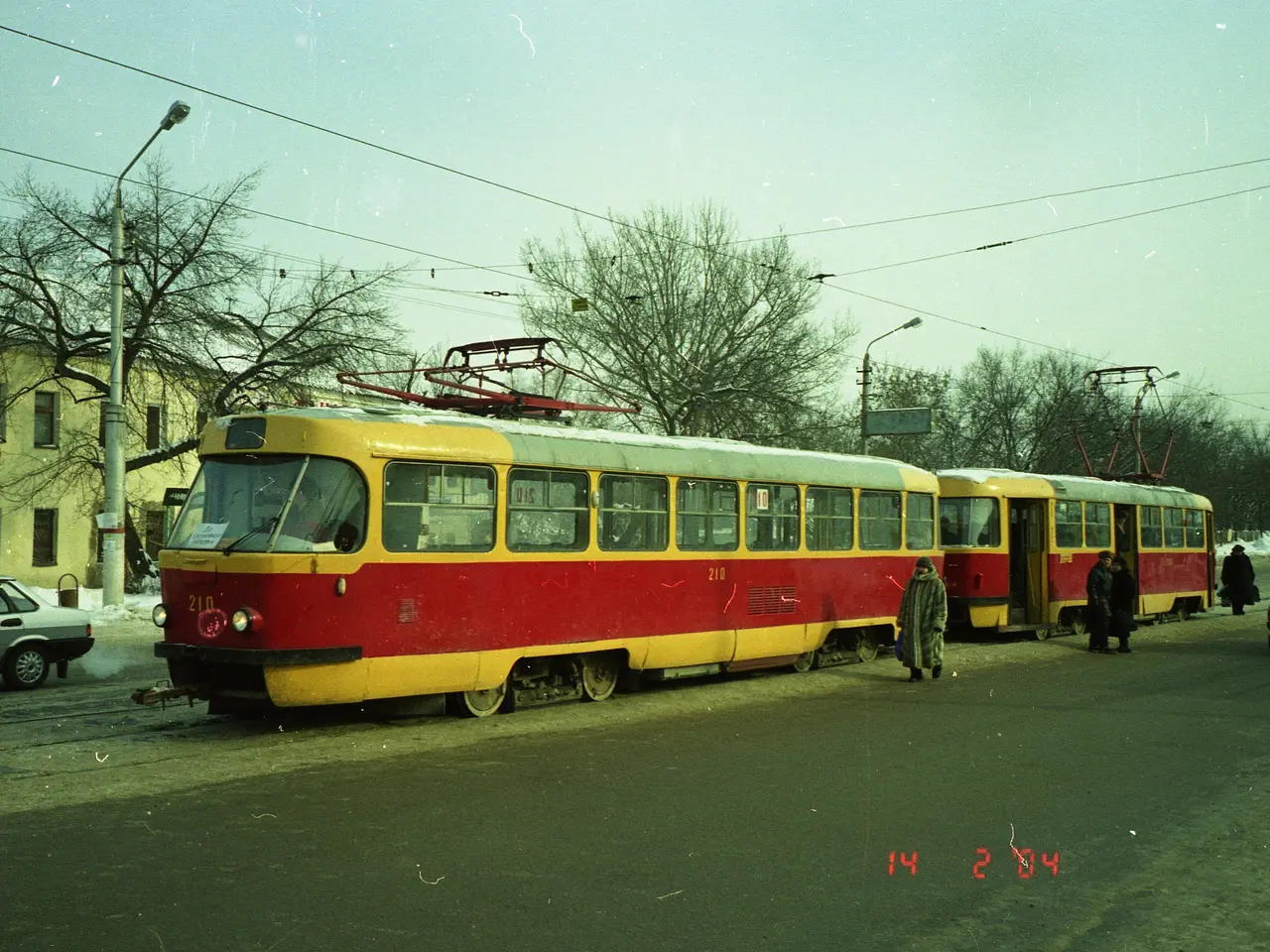
Halle's first TINA tram gets green light for passenger service
Halle (Saale) Reaches a Transport Milestone: New-Generation Tram Approved for Service
Halle (Saale) has achieved a major breakthrough in urban mobility: On Thursday, the first tram of the new TINA generation officially received operational approval from the Technical Supervisory Authority (TAB). This clears the way for the formal launch of the first "short TINA" of the MGT M model—a significant step in the city's comprehensive modernization of its public transport network.
The Hallesche Verkehrs-AG (HAVAG), a subsidiary of Stadtwerke Halle, had already begun trial runs on the network a few days earlier. Now, with regulatory confirmation in hand, the positive inspection result also serves as a conformity certificate for the remaining 38 vehicles in this series. This brings the widespread deployment of the new TINA fleet within reach.
Political Momentum for Modern Mobility
Dr. Lydia Hüskens, Minister for Infrastructure and Digital Affairs of Saxony-Anhalt, emphasized the significance of the day. With this approval, she stated, "the path is now clear for the new generation of trams in Halle." TINA represents greater accessibility, enhanced comfort, and a future-proof public transport system—"a clear advantage for an attractive local transit network."
Hüskens also reflected on historical resistance to the electrification of the tram system, particularly from the University of Halle's Institute of Physics. "How glad we are to have overcome that opposition," she remarked.
Halle's Lord Mayor, Dr. Alexander Vogt, highlighted the tram's emotional resonance for the city. It is "part of our urban identity," a source of pride for residents, and, in his view, "the only true means of getting around the city"—sustainable and forward-looking.
A Generational Shift at HAVAG
Egbert Geier, a city councilor who has served on HAVAG's supervisory board for two decades, described the transition as rare in scale. As early as 2016, the board had debated the bogies of the existing fleet, facing millions in potential repair costs per train. A cost-benefit analysis ultimately led to the decision to procure new vehicles.
The contract was awarded to Swiss manufacturer Stadler Rail—a choice Geier still stands by today. "They fully meet our requirements," he said, noting that passenger advisory council input had shaped the design. The goal, he added, is to ensure HAVAG remains "the flagship public transport operator in eastern Germany."
€172 Million for 56 New Trams
The investment is substantial: €172 million will fund the purchase of 56 low-floor TINA trams. Thirty-nine will be delivered as 30-meter M models, while 17 will be 45-meter XL versions. The state of Saxony-Anhalt is covering 45% of the costs.
Vinzenz Schwarz, HAVAG's CEO, was visibly moved: "I'm bursting with pride." Securing approval without conditions was far from guaranteed—rather, it was a "tremendous achievement" by all involved. With passenger numbers steadily rising since the pandemic, he stressed that the new fleet is essential for the network's future viability.
Read also:
- American teenagers taking up farming roles previously filled by immigrants, a concept revisited from 1965's labor market shift.
- Weekly affairs in the German Federal Parliament (Bundestag)
- Landslide claims seven lives, injures six individuals while they work to restore a water channel in the northern region of Pakistan
- Escalating conflict in Sudan has prompted the United Nations to announce a critical gender crisis, highlighting the disproportionate impact of the ongoing violence on women and girls.