How Childhood Myths Can Fuel Adult Conspiracy Theories Later in Life
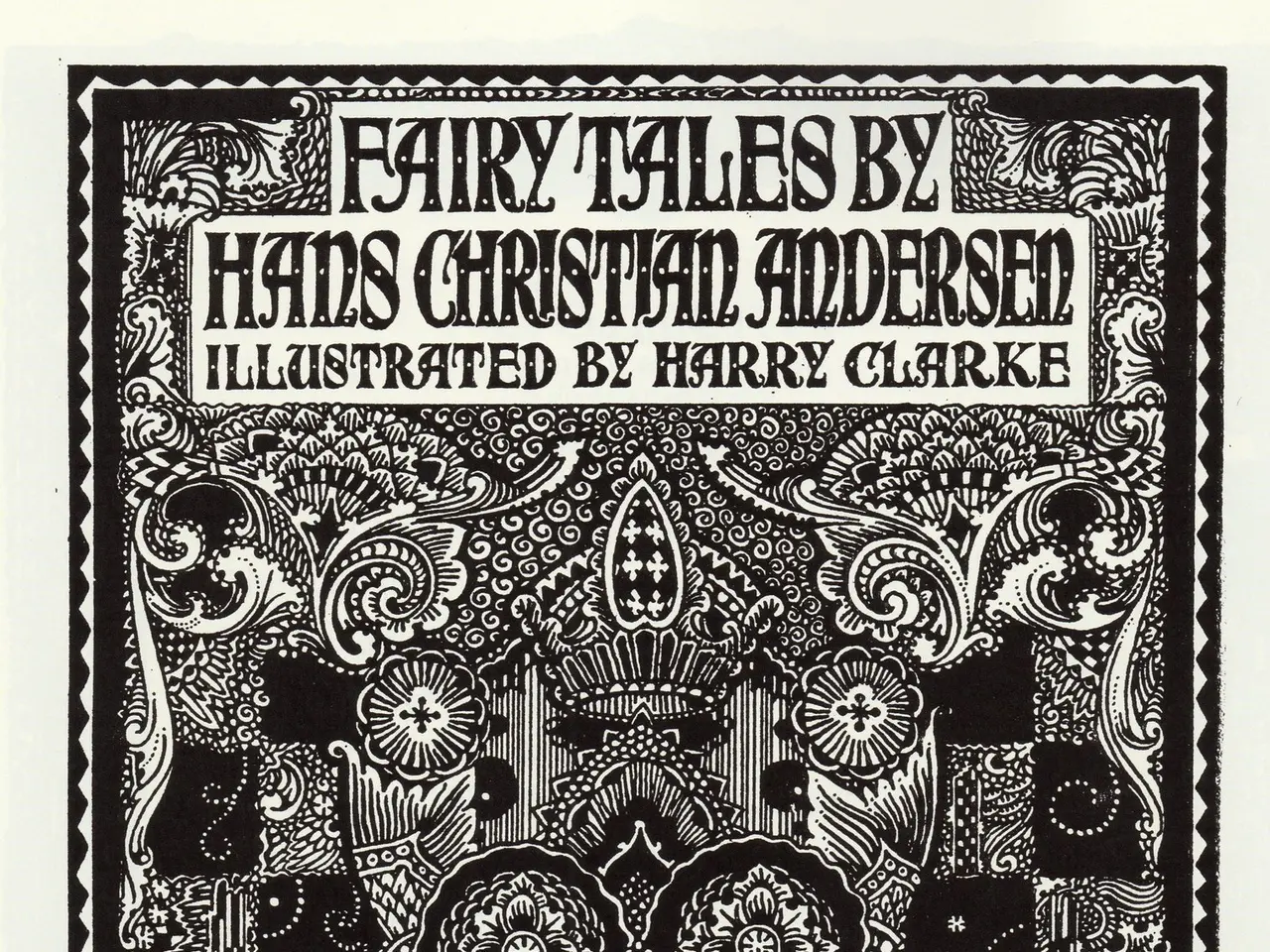
Many children grow up hearing stories filled with magic and wonder. Tales of storks delivering babies, the Easter Bunny hiding treats, and Santa Claus bringing gifts shape early beliefs. But as they get older, the truth behind these myths often comes as a surprise—sometimes leading to unexpected reactions in later life. From a young age, children are told stories that blend fantasy with tradition. Some hear about seven dwarves living beyond seven mountains, while others learn that babies arrive by stork. At Christmas, gifts appear under the tree, left by Santa Claus in some cultures or the Christkind—an angelic figure—in others. Easter brings the tale of a bunny hiding chocolate eggs.
Yet these stories take darker turns in some versions. In one tale, a grandmother is eaten by a wolf after children bring her wine. Another tells of grandchildren burning a witch-like grandmother alive. As kids grow, they discover the reality: parents play the roles of Santa and the *Christkind*, storks don't deliver babies, and wolves don't eat grandmothers. For most, this is a natural part of growing up. But in recent years, some adults have struggled to accept that they were once told untrue stories. Instead of recognising these as harmless childhood myths, they turn to conspiracy theories. Over the past five years, false claims—about COVID-19 vaccines, climate change, and election fraud—have spread widely in Germany. Social media platforms like Telegram, TikTok, and YouTube, along with alternative outlets such as *Compact* magazine and podcasts like *Alles auf Anfang*, have driven this trend. Telegram channels like *Apolut* and *Rubikon* saw spikes in activity during events like the 2021 federal election and the 2024 protests.
The shift from childhood myths to adult realities can be unsettling. While many accept that stories like Santa Claus and the Easter Bunny were never real, others reject this process entirely. Instead, they embrace misinformation, showing how early experiences with fantasy can sometimes shape later beliefs in unexpected ways.
Read also:
- American teenagers taking up farming roles previously filled by immigrants, a concept revisited from 1965's labor market shift.
- Weekly affairs in the German Federal Parliament (Bundestag)
- Landslide claims seven lives, injures six individuals while they work to restore a water channel in the northern region of Pakistan
- Escalating conflict in Sudan has prompted the United Nations to announce a critical gender crisis, highlighting the disproportionate impact of the ongoing violence on women and girls.