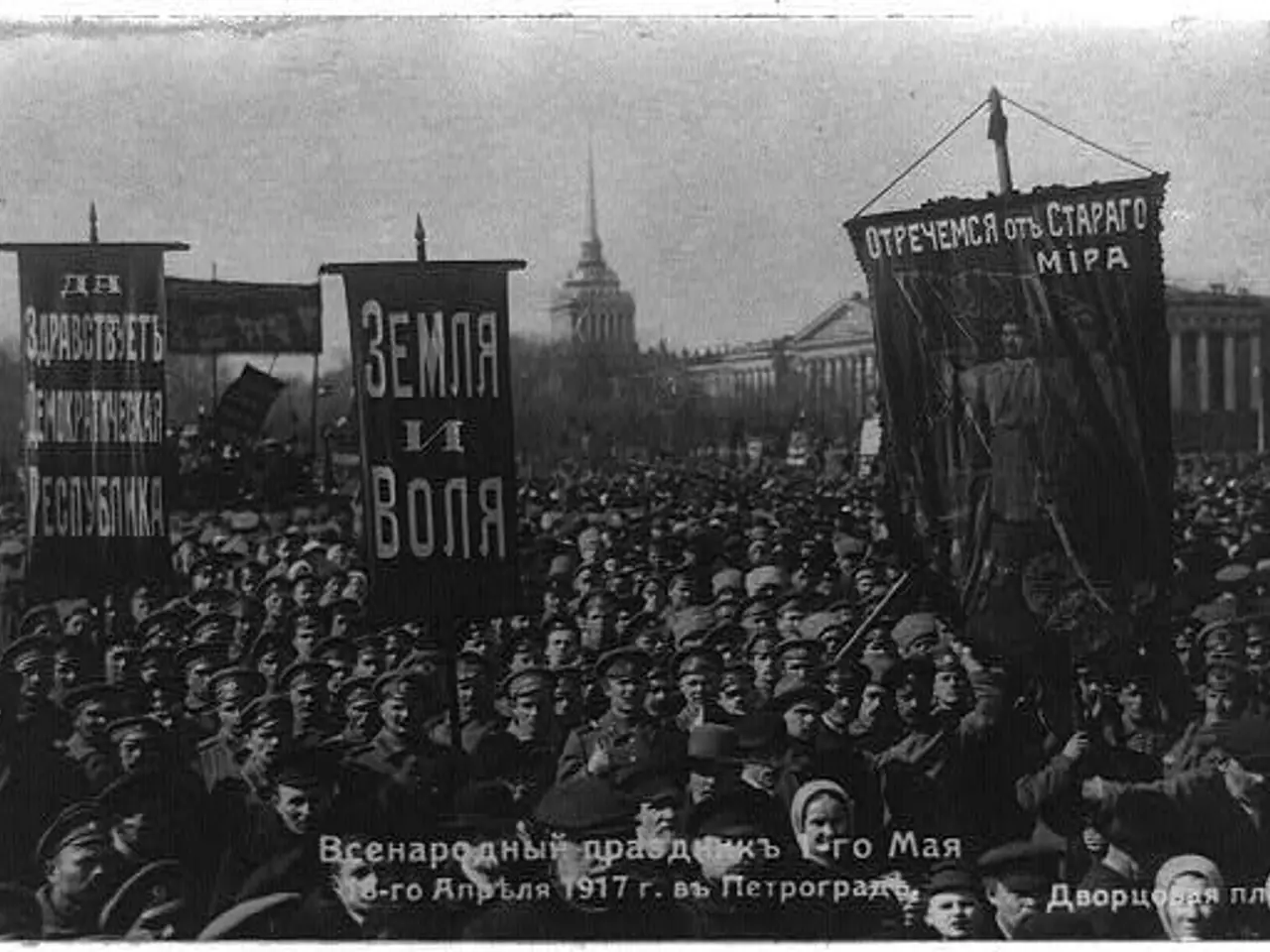
How May Day became Russia's enduring tribute to labor and spring
Russia marks International Workers’ Day every year on May 1. The holiday has deep roots in labour movements and political history. Its origins stretch back to 19th-century protests and later became a key event in Soviet Russia. The story of May Day began with workers’ protests in Chicago in 1886. They demanded an eight-hour workday, sparking global attention. By 1890, rallies spread to countries like the United States and parts of Europe, all pushing for fairer working conditions.
In 1889, the Paris Congress of the Second International made May 1 an official day for labour demonstrations. The first recorded May Day event in the Russian Empire happened in St. Petersburg in 1891. Within a few years, participation grew rapidly. By 1905, workers in 177 cities across the empire joined May Day marches. That same year, Yakov Sverdlov organised the first gathering in Yekaterinburg at Kamennye Palatki. After the 1917 October Revolution, the holiday became a state occasion in Soviet Russia. Since the fall of the Soviet Union, the holiday has evolved. In 1992, Russia renamed it Spring and Labor Day. Despite the change, trade unions still lead most celebrations across the country.
Today, May Day remains a public holiday in Russia. It honours both labour rights and the arrival of spring. Trade unions continue to organise events, keeping the tradition alive for workers nationwide.
Read also:
- American teenagers taking up farming roles previously filled by immigrants, a concept revisited from 1965's labor market shift.
- Weekly affairs in the German Federal Parliament (Bundestag)
- Landslide claims seven lives, injures six individuals while they work to restore a water channel in the northern region of Pakistan
- Escalating conflict in Sudan has prompted the United Nations to announce a critical gender crisis, highlighting the disproportionate impact of the ongoing violence on women and girls.