Koblenz expands its pedestrian zone to enhance shopping and safety
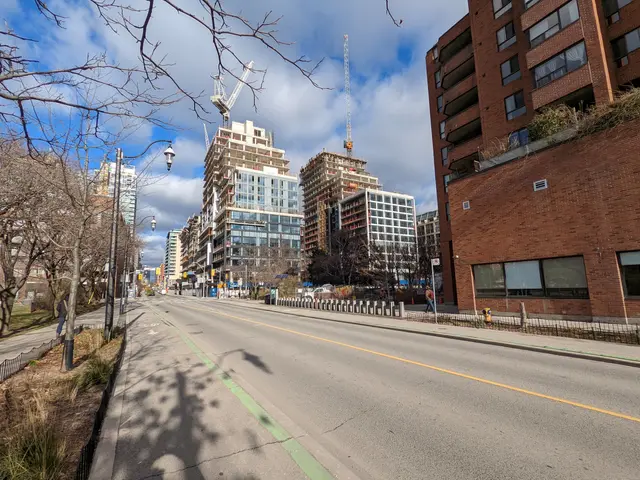
Koblenz City Council has given the green light to extend the pedestrian zone along Schlossstraße. The expansion will cover the junction with Casino Street, stretching several metres closer to Schlosrondell. Officials aim to boost the area’s appeal for shoppers and walkers while improving traffic flow.
The project forms part of the wider Schlossstraße Concept, developed jointly by the local business association and the Business Improvement District (BID). Their goal is to transform the street into a more inviting shopping and promenade area. At the same time, the extension is designed to discourage unauthorised vehicle access, particularly drivers illegally entering Casino Street.
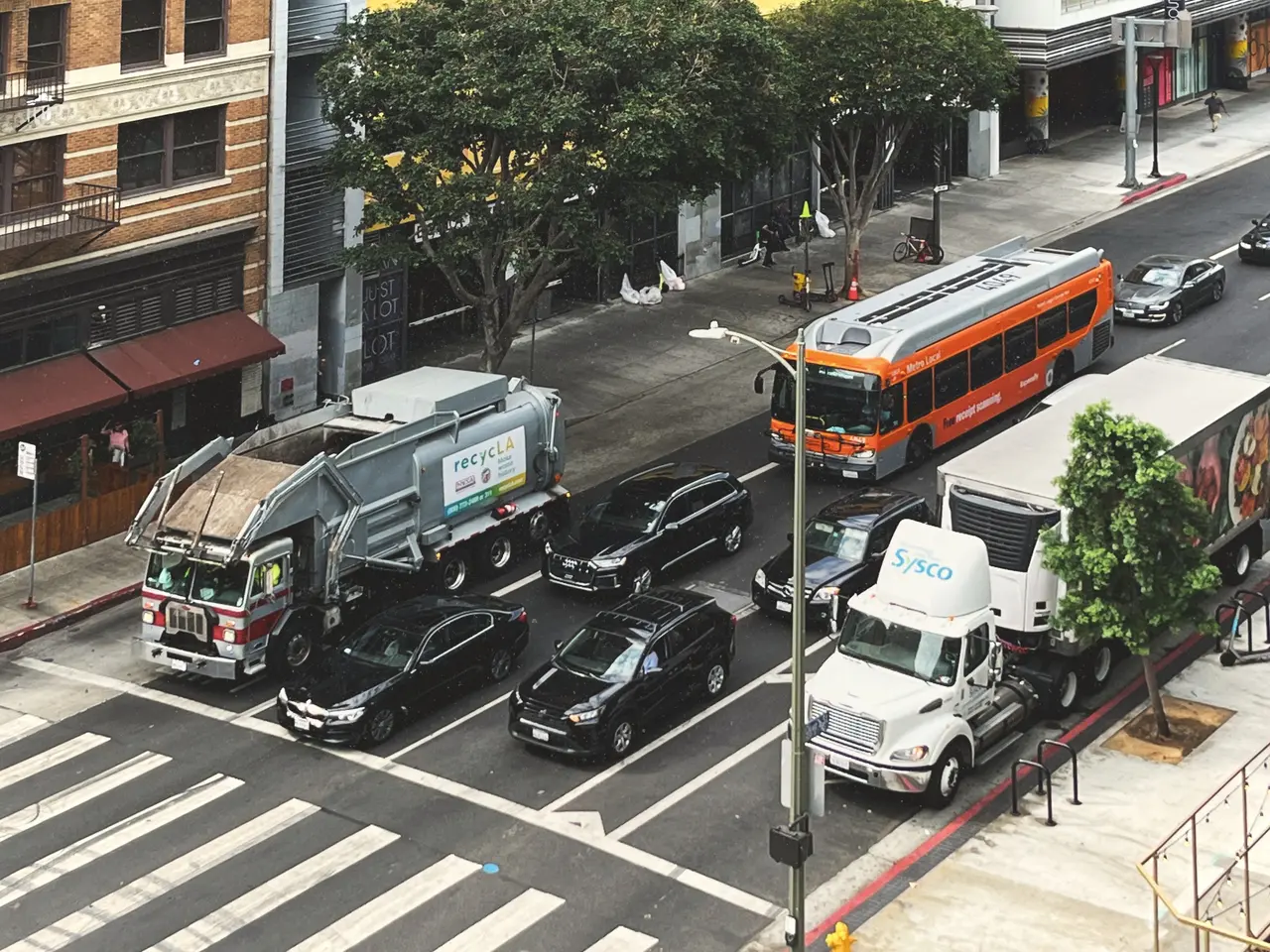
The new pedestrian zone will not fully replace the southern section of Schlossstraße. Fifteen short-term parking spaces will remain, though the city may shorten the maximum stay from two hours to one. A complete conversion is currently ruled out due to the existing parking demand. The changes are also set to enhance safety for pedestrians and cyclists. Implementation costs are estimated at around €4,000. After one year, the city will review the impact of the new traffic regulations.
The expansion will bring the pedestrian zone closer to Schlosrondell, covering the entire Casino Street junction. If successful, the measures could lead to further adjustments in parking rules and traffic management. The city plans to assess the results after a 12-month trial period.
Read also:
- American teenagers taking up farming roles previously filled by immigrants, a concept revisited from 1965's labor market shift.
- Weekly affairs in the German Federal Parliament (Bundestag)
- Landslide claims seven lives, injures six individuals while they work to restore a water channel in the northern region of Pakistan
- Escalating conflict in Sudan has prompted the United Nations to announce a critical gender crisis, highlighting the disproportionate impact of the ongoing violence on women and girls.