Korea's Crossroads: Balancing Trade and Security in a Fragmented World
The world’s economic and political landscape has shifted dramatically over the past decade. Rising tensions between the United States and China, conflicts like the Russia-Ukraine war, and changes in trade policies have reshaped global cooperation. While multilateral institutions still exist, their influence has weakened as great-power rivalries dominate international relations.
Amid these changes, Korea faces both opportunities and risks. As a trade-dependent middle-power economy, its future hinges on adapting to a new era where security and economics are deeply intertwined, according to Cho Yoon-je, a special appointment professor at Yonsei University’s Graduate School of Economics.
The postwar global order, built on free trade and multilateralism, once delivered unmatched prosperity. For decades, countries thrived under a system that prioritised efficiency and open markets. But today, that system is unravelling.
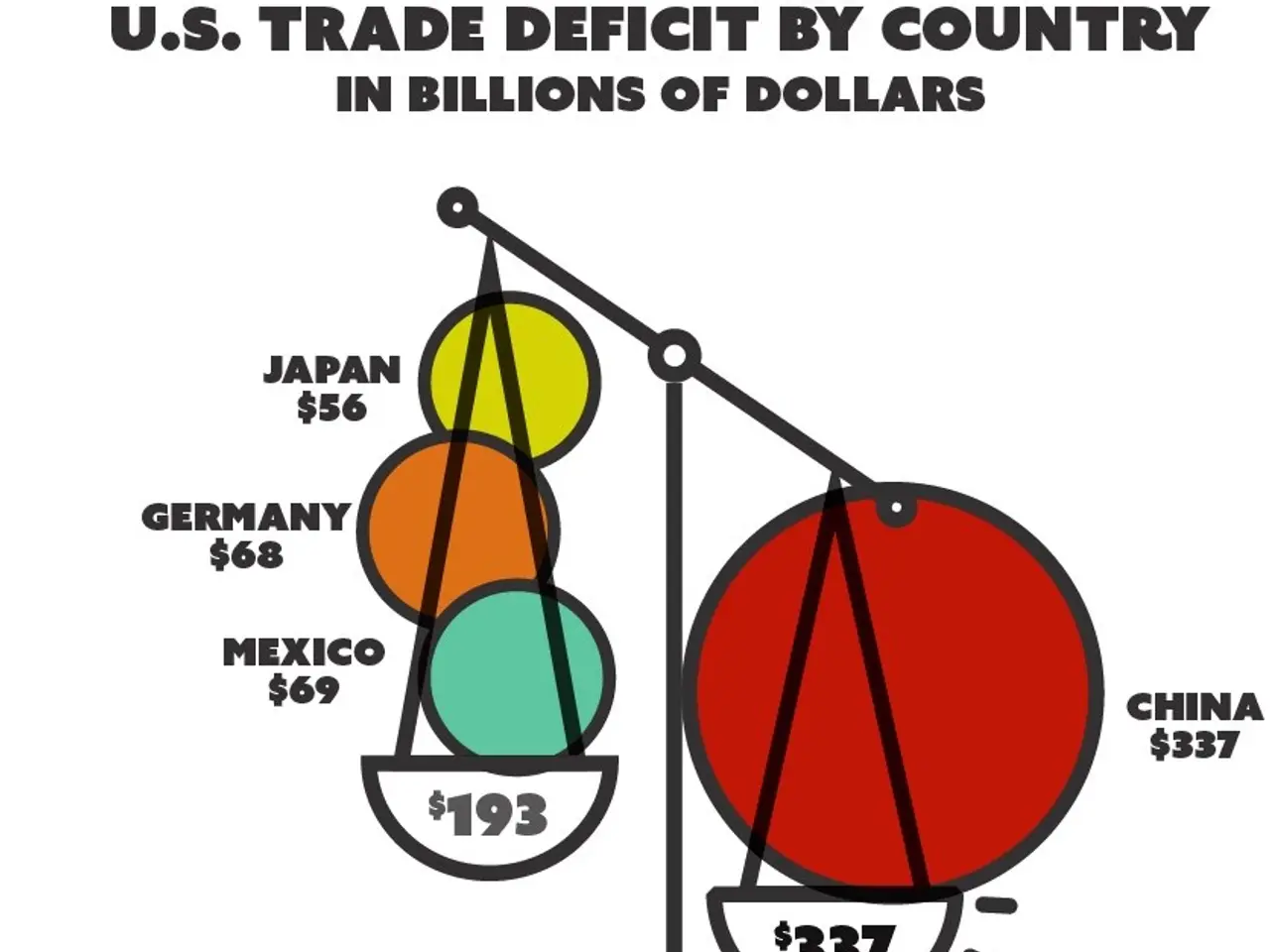
Economic policies can no longer ignore national security. Technology, energy, supply chains, and finance have all become strategic tools in global competition. Trade still grows—global volume rose by 4.6 percent in 2025—but its direction has changed. Instead of efficiency-driven globalisation, countries now pursue selective partnerships based on security concerns. Korea, heavily reliant on external trade, stands at a crossroads. Its economy could either gain from new alliances or suffer from disruptions in global markets. To navigate this transition, experts argue that Seoul must merge economic and security planning. Diversifying supply chains, expanding into new markets, and building stronger economic safeguards will be critical. Despite the challenges, Korea holds a unique advantage. Its expertise in digital trade, supply chain management, and development aid positions it to lead cooperation among middle-power nations. Such leadership could help stabilise trade and investment in an increasingly fragmented world.
The shift from open globalisation to a security-focused system demands new strategies. Korea’s ability to adapt—by linking economic and security policies—will determine its resilience in the coming years. With careful planning, the country could turn uncertainty into an opportunity to strengthen its global role.
Read also:
- American teenagers taking up farming roles previously filled by immigrants, a concept revisited from 1965's labor market shift.
- Weekly affairs in the German Federal Parliament (Bundestag)
- Landslide claims seven lives, injures six individuals while they work to restore a water channel in the northern region of Pakistan
- Escalating conflict in Sudan has prompted the United Nations to announce a critical gender crisis, highlighting the disproportionate impact of the ongoing violence on women and girls.