Lavrov's BRICS press conference derailed by rogue translation audio
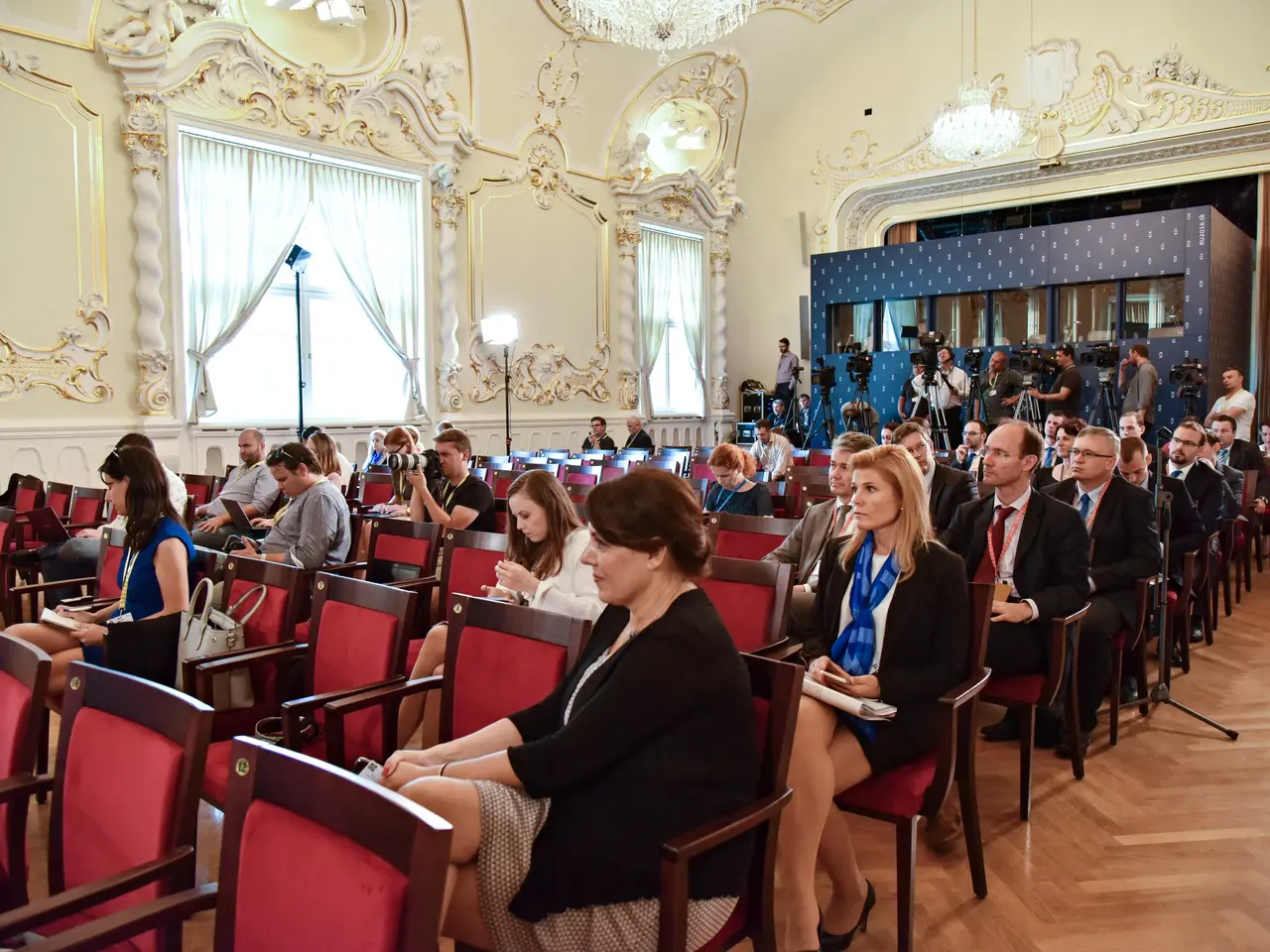
Russian Foreign Minister Sergey Lavrov faced unexpected interruptions during a press conference in New Delhi. The event, held after the BRICS foreign ministers’ meeting, was disrupted twice by a loud simultaneous translation playing from a journalist’s phone. Lavrov had to pause his speech and ask for the disturbance to stop.
The incident occurred on 15 May, following the two-day BRICS meeting chaired by India. As Lavrov began his opening remarks, a journalist’s phone started blaring simultaneous interpretation, drowning out his words. The minister stopped speaking and requested the interpreter to turn off the device.
When the noise continued, Lavrov grew more insistent. He joked that the journalist should leave but later threatened removal if the phone was not silenced. After several warnings, the interpreter complied, and the press conference resumed without further issues. Lavrov then restarted his statement from the beginning. Earlier, the BRICS ministers had discussed key global topics during their meeting. These included strengthening the United Nations, reforming international bodies, and addressing the economic impact of sanctions. They also focused on resolving conflicts through diplomacy and prepared for the upcoming BRICS summit in New Delhi, set for September 2026.
The press conference eventually proceeded as planned after the disruption was resolved. Lavrov’s remarks covered the outcomes of the BRICS discussions, including efforts to reform global institutions and promote diplomatic solutions. The journalist remained in the room, and no further interruptions occurred.
Read also:
- American teenagers taking up farming roles previously filled by immigrants, a concept revisited from 1965's labor market shift.
- Weekly affairs in the German Federal Parliament (Bundestag)
- Landslide claims seven lives, injures six individuals while they work to restore a water channel in the northern region of Pakistan
- Escalating conflict in Sudan has prompted the United Nations to announce a critical gender crisis, highlighting the disproportionate impact of the ongoing violence on women and girls.